
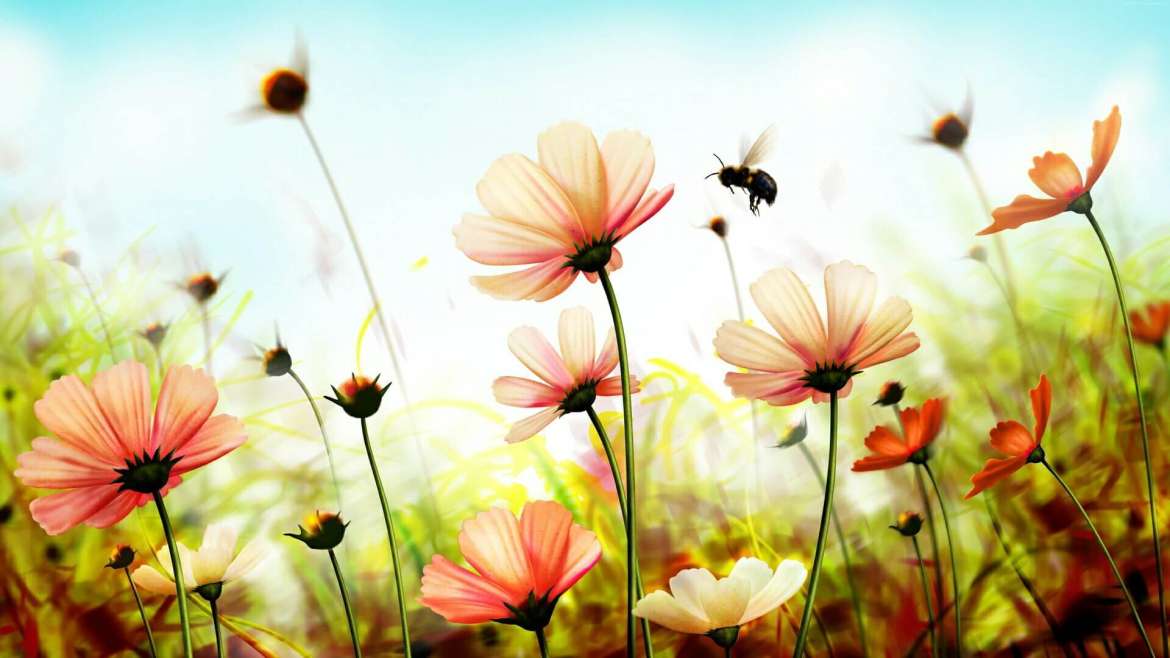
If you’re wondering how to create a bee-friendly garden, this is the right place to check. Creating a bee-friendly garden supports pollination, leading to healthier plants and increased crop yields.
A bee-friendly garden is a garden designed to attract and support bees by providing them with a rich source of nectar and pollen, which are essential for their survival.
Such gardens typically include a variety of flowering plants that bloom at different times throughout the growing season, offering a continuous food supply.
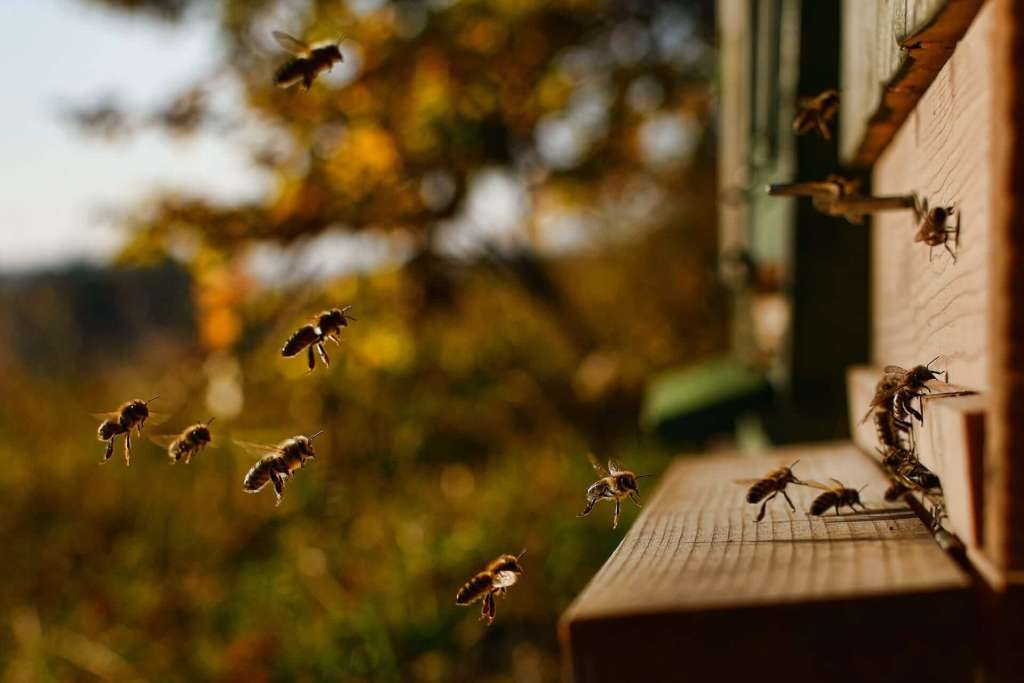
Additionally, bee-friendly gardens avoid the use of harmful pesticides and provide safe habitats for bees to nest.
These gardens are important as bees play a crucial role in pollinating many of the plants we rely on for food, and by creating environments that support their health and numbers, we contribute to biodiversity and the overall health of our ecosystems.
How to Make a Bee-Friendly Garden
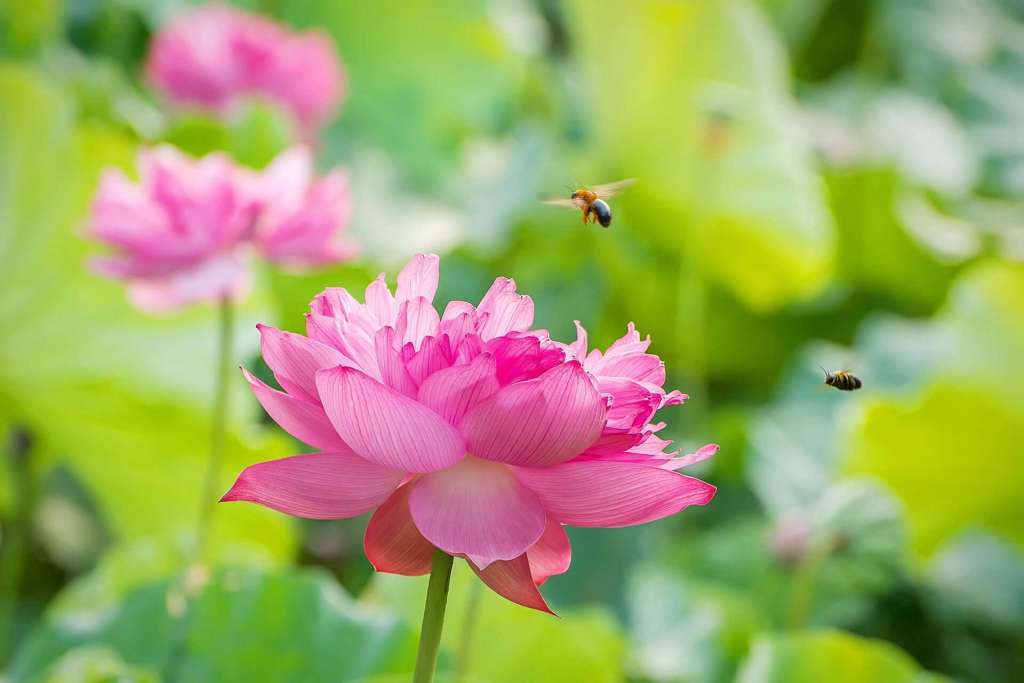
Creating a bee-friendly garden is a wonderful way to support pollinators and enhance the health of your local ecosystem.
1. Choose the Right Plants
- Native Plants: Opt for native flowers and plants, as bees are naturally adapted to these. They often require less maintenance and provide better resources for local pollinators.
- Variety of Flowers: Plant a variety of flowers that bloom at different times of the year. This ensures that bees have access to nectar and pollen throughout the growing season.
- Single Flower Tops: Choose plants with single, open flowers like daisies, sunflowers, and coneflowers. These are easier for bees to access than double-flowered varieties.
2. Avoid Pesticides
- Natural Alternatives: Use natural pest control methods like introducing beneficial insects (e.g., ladybugs) or using neem oil.
- Organic Gardening: Practice organic gardening to avoid harmful chemicals that can affect bees and other pollinators.
3. Provide Water Sources
- Shallow Water Dish: Place a shallow dish of water with pebbles or stones for bees to land on and drink. Bees need water, especially during hot weather.
- Maintain Water Levels: Ensure the water is regularly replenished and cleaned to prevent it from becoming stagnant.
4. Create Shelter
- Bee Houses: Install bee houses or bundles of hollow reeds for solitary bees to nest in.
- Leave Natural Spaces: Leave some areas of your garden undisturbed, with bare soil, fallen leaves, and dead wood for ground-nesting bees.
5. Plant in Clusters
- Group Planting: Plant flowers in clusters rather than scattered around the garden. Bees are more attracted to larger groupings of the same type of flower.
6. Consider Bloom Colors
- Bee-Friendly Colors: Bees are particularly attracted to blue, purple, white, and yellow flowers. Incorporate these colors into your garden to draw more bees.
7. Grow Herbs
- Herbs for Pollinators: Plant herbs like lavender, thyme, oregano, and rosemary, which are highly attractive to bees when they flower.
Bee-Friendly Garden FAQ
Bees play a crucial role in pollination, which is essential for the growth of many plants, including fruits, vegetables, and flowers. A bee-friendly garden supports the health of the bee population, which in turn supports a healthy ecosystem and food supply.
Bees need water to drink and to cool their hives. You can create a bee-friendly water source by placing a shallow dish of water with pebbles or stones in it for the bees to land on. Be sure to keep the water fresh by changing it regularly.
Yes, bees benefit from having places to rest and nest. You can help by providing bee hotels, leaving some areas of your garden undisturbed, or allowing plants like dead wood and hollow stems to remain as natural habitats.
Absolutely! Even small gardens, balconies, or windowsills can be made bee-friendly by planting flowers in pots or window boxes. Every little bit helps in supporting local bee populations.
Different bee species are attracted to different types of flowers. For example, bumblebees prefer tubular-shaped flowers, while honeybees are drawn to flat or shallow blooms. Planting a diverse range of flowers will attract a variety of bee species.
To support bees year-round, plant a mix of flowers, shrubs, and trees that bloom in different seasons. Additionally, leave some areas of your garden undisturbed during the winter so that bees have a place to hibernate.
Sign up to get our FREE weekly emails
Gardening guides, tips, & videos delivered right to your inbox!


