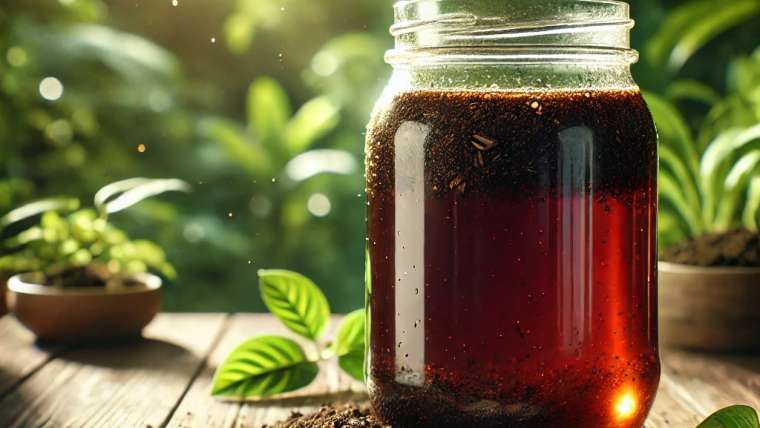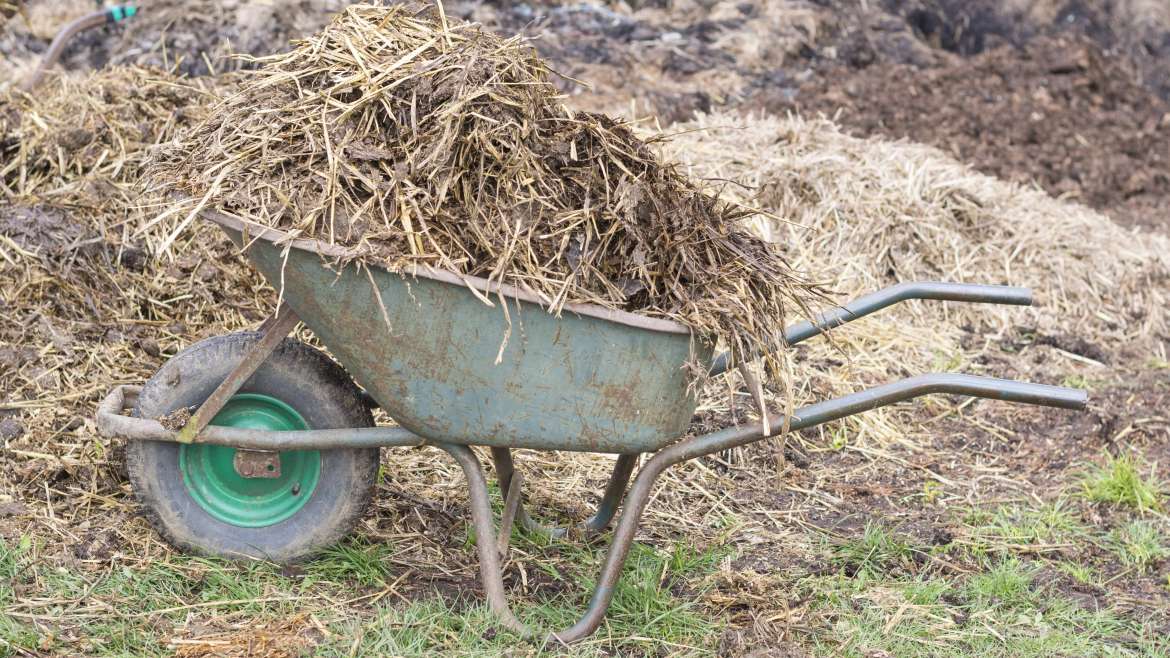
Organic fertilizers are natural materials derived from the remains or byproducts of organisms that contain essential nutrients required for plant growth.
They play a crucial role in sustainable agriculture, offering numerous benefits to soil health, plant growth, and the environment.
Types of Organic Fertilizers
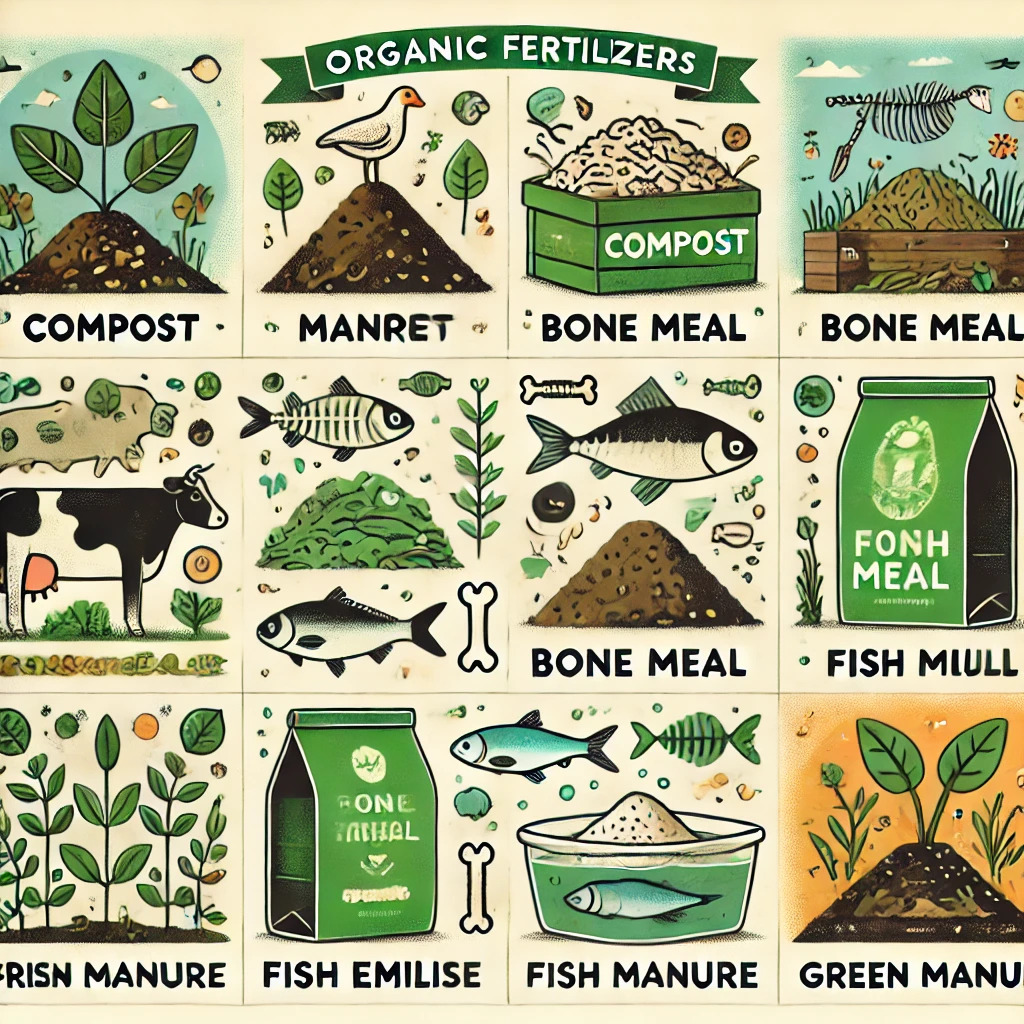
- Animal Manure: Compost from the waste of farm animals like cows, chickens, and horses. Rich in nitrogen, phosphorus, and potassium (NPK).
- Compost: Decomposed organic matter from kitchen scraps, yard waste, and other biodegradable materials. Provides a balanced mix of nutrients.
- Bone Meal: Ground animal bones, high in phosphorus and calcium, essential for root development.
- Blood Meal: Dried animal blood, a potent source of nitrogen, promoting leafy growth.
- Fish Emulsion: Liquid fertilizer made from decomposed fish, rich in nitrogen and trace minerals.
- Seaweed/Kelp: Extracts from marine algae, containing potassium, trace elements, and plant hormones that stimulate growth.
- Green Manure: Plants like clover or alfalfa grown specifically to be plowed back into the soil, enriching it with organic matter and nutrients.
- Vermicompost: Produced by earthworms breaking down organic waste, rich in nutrients and beneficial microbes.
Benefits of Organic Fertilizers
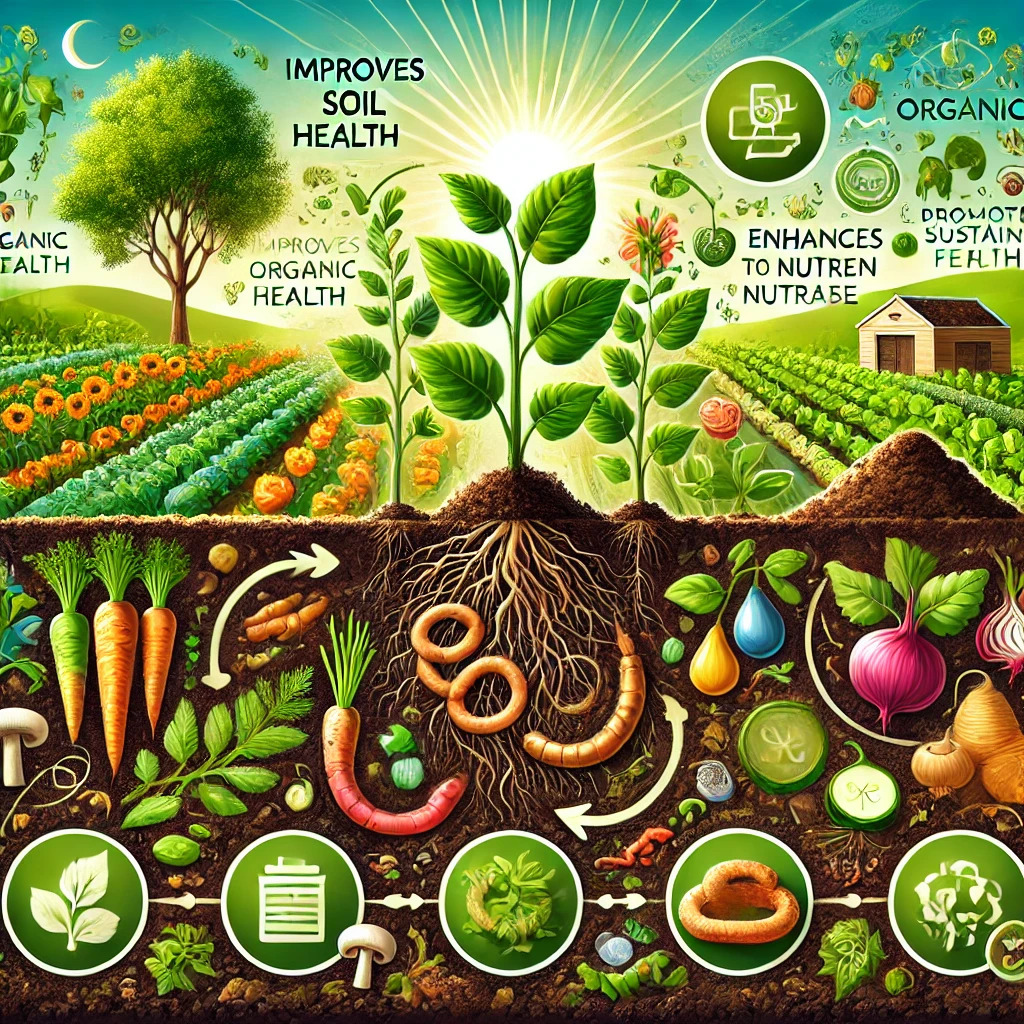
- Improves Soil Structure: Adds organic matter to the soil, enhancing its texture, water retention, and aeration.
- Increases Microbial Activity: Promotes the growth of beneficial soil microbes that aid in nutrient cycling and disease suppression.
- Slow-Release Nutrients: Provides a steady supply of nutrients as they break down over time, reducing the risk of over-fertilization.
- Environmentally Friendly: Reduces chemical runoff, preventing water pollution and promoting biodiversity.
- Sustainable and Renewable: Sourced from natural materials, reducing dependency on synthetic fertilizers.
- Safe for Plants and Humans: Non-toxic and less likely to cause nutrient burn to plants.
Best Organic Fertilizers
When choosing organic fertilizers for a healthy and vibrant garden, it’s essential to focus on those that provide a balanced nutrient mix and improve soil health over time.
Here are some of the best organic fertilizers:
- Compost: Rich in organic matter, compost improves soil structure, retains moisture, and provides a slow release of nutrients. It also supports beneficial microorganisms.
- Worm Castings: Known as vermicompost, worm castings are an excellent soil conditioner. They contain beneficial bacteria, improve soil aeration, and provide essential nutrients like nitrogen, phosphorus, and potassium.
- Bone Meal: A slow-release source of phosphorus and calcium, bone meal is ideal for promoting strong root development and flowering. It’s especially beneficial for bulbs, root vegetables, and flowering plants.
- Blood Meal: High in nitrogen, blood meal promotes leafy growth and is especially useful for vegetables like lettuce, spinach, and other greens. It also helps to acidify the soil.
- Fish Emulsion: A quick-release fertilizer made from fish byproducts, fish emulsion is rich in nitrogen, phosphorus, and trace elements. It’s excellent for boosting growth during the growing season and is gentle enough for young plants.
- Kelp Meal: Made from dried seaweed, kelp meal is a rich source of trace minerals, potassium, and growth hormones that stimulate plant growth. It’s particularly good for improving plant resilience and root development.
- Manure: Well-aged manure from cows, horses, chickens, or rabbits adds organic matter and nutrients to the soil. It’s best applied in the fall to allow time for decomposition before planting.
- Alfalfa Meal: A nitrogen-rich fertilizer that also contains trace minerals and natural growth hormones, alfalfa meal is great for roses and other flowering plants.
- Green Manure: Plants like clover, vetch, and rye that are grown and then tilled into the soil improve soil fertility by adding organic matter and nutrients, particularly nitrogen.
- Rock Phosphate: A slow-release source of phosphorus, rock phosphate is excellent for root development and flowering. It’s especially useful in soils that are deficient in phosphorus.
Application Techniques
- Broadcasting: Spreading organic fertilizer evenly across the soil surface, commonly used for compost and manure.
- Side Dressing: Applying fertilizer in a band along the side of growing plants, often used for vegetables.
- Top Dressing: Adding a layer of organic material around the base of plants, ideal for compost and mulch.
- Foliar Feeding: Spraying liquid natural fertilizers directly onto plant leaves for quick nutrient absorption.
Challenges of Organic Fertilizers
- Lower Nutrient Concentration: Generally contain fewer nutrients compared to synthetic fertilizers, requiring larger quantities.
- Variable Nutrient Content: The nutrient composition can vary depending on the source, making it harder to control exact nutrient levels.
- Slower Nutrient Release: Nutrients are released slowly as organic matter decomposes, which may not meet the immediate needs of fast-growing crops.
- Cost and Availability: Some natural fertilizers can be more expensive or harder to find, depending on the region.
Environmental Impact
- Natural fertilizers support long-term soil health, reduce greenhouse gas emissions associated with synthetic fertilizers, and enhance carbon sequestration in soils. They also help in reducing soil erosion and improving water retention, contributing to overall environmental sustainability.
Common Misconceptions
- Myth: Organic Fertilizers Work Instantly: Unlike synthetic fertilizers, organic options often take time to break down and release nutrients.
- Myth: Organic Fertilizers Are Always Better: While they are more sustainable, they might not always be the best option for every situation, especially when immediate nutrient availability is required.
Where Can You Buy Organic Fertilizers?
- Organic fertilizers are available at most garden centers, nurseries, and online retailers. Look for products labeled as “organic” and check for certifications from reputable organizations.
If you’re looking for organic fertilizers online, here are a few popular option that we recommend:
- Dr. Earth Organic & Natural All Purpose Fertilizer
- Dr. Earth is a well-known brand for organic gardening products. This all-purpose fertilizer is designed to promote growth in a variety of plants, including vegetables, flowers, and shrubs. It’s made from 100% organic and natural ingredients and includes beneficial microbes for soil health.
- NPK Ratio: 4-4-4
- Jobe’s Organics All Purpose Granular Fertilizer
- Description: Jobe’s Organics offers an all-purpose granular fertilizer that’s OMRI listed for organic gardening. It’s designed to improve soil condition and provide balanced nutrients to your plants. It contains Jobe’s Biozome, a proprietary blend of beneficial microorganisms that improve soil quality.
- NPK Ratio: 4-4-4
- Espoma Organic Plant Tone
- Description: Espoma’s Plant Tone is an all-natural organic fertilizer ideal for vegetables, flowers, trees, and shrubs. It’s formulated with a rich blend of natural ingredients and enhanced with Bio-tone, a combination of beneficial microbes that promote plant growth.
- NPK Ratio: 5-3-3
- Down to Earth Organic Vegetable Garden Fertilizer
- Description: Down to Earth offers a specially formulated organic fertilizer for vegetable gardens. It’s OMRI listed and made from natural ingredients like fish bone meal, kelp meal, and alfalfa meal. It’s ideal for a wide range of vegetables.
- NPK Ratio: 4-4-4
- Neptune’s Harvest Organic Hydrolized Fish & Seaweed Fertilizer
- Description: This liquid fertilizer combines the benefits of fish and seaweed, providing a balanced blend of macro and micronutrients. It’s ideal for a wide range of plants and is particularly effective for improving soil fertility.
- NPK Ratio: 2-3-1
These products are typically available for purchase on Amazon, and you can choose based on the specific needs of your garden or plants.
Organic Fertilizers FAQ
Organic fertilizers are naturally derived from plant, animal, or mineral sources. They are free from synthetic chemicals and provide essential nutrients to plants while improving soil health.
Natural fertilizers are made from natural materials, such as compost, manure, and bone meal, which break down slowly, releasing nutrients over time. Synthetic fertilizers, on the other hand, are chemically manufactured and provide nutrients quickly but may harm soil health in the long term.
Yes, organic fertilizers can be used for all types of plants, including vegetables, fruits, flowers, and lawns.
Generally, natural fertilizers are applied less frequently than synthetic fertilizers because they release nutrients slowly. A typical schedule might be once every 4-6 weeks during the growing season.
While natural fertilizers have many benefits, they can sometimes be more expensive and slower to show results compared to synthetic fertilizers.
Yes, you can create your own organic fertilizer using materials like compost, kitchen scraps, and manure. Composting is a popular method to recycle organic waste into a nutrient-rich soil amendment.
Conclusion
Organic fertilizers are essential for sustainable farming and gardening practices. They improve soil health, reduce environmental impact, and support plant growth.
However, they should be used with an understanding of their properties, benefits, and limitations to achieve the best results.