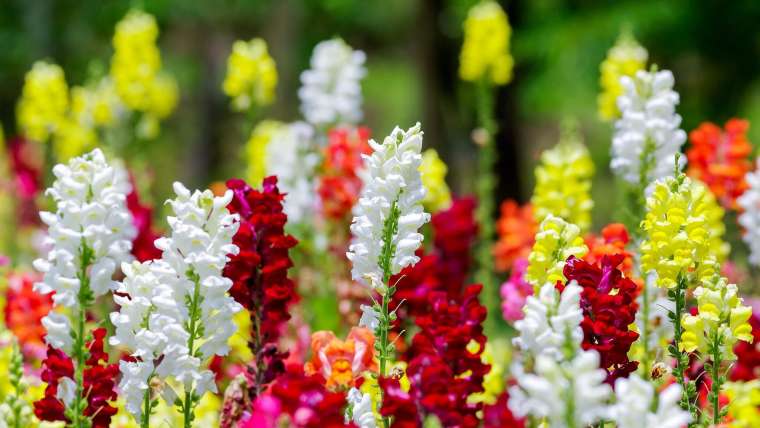
Hollyhocks. Simple name, stunning flower. If you’ve never seen one, picture a tall, graceful plant covered in vibrant blooms that seem like they could be straight out of a fairy tale. They’re the kind of flowers that stop you in your tracks, with petals in colors ranging from soft pastels to fiery reds and purples, all arranged like a cascading bouquet.
They’re a true summer favorite, blooming in mid-to-late summer, and the best part? They just keep growing taller year after year, reaching up to 8 feet tall in some cases. Hollyhocks are like the bold, confident guest at the party who just owns the room.
Plant them somewhere with plenty of sun and space—these beauties need room to spread their roots and stretch their stems. They aren’t the fussy type, but like any diva, they’ll thrive with a little attention—well-drained soil, water when it’s dry, and maybe a little stake for support when those blooms start to get heavy.
And let’s talk about their leaves for a second. Large, soft, and somewhat velvety, they’re a perfect contrast to the towering flowers, making the whole plant look like a piece of living art. Hollyhocks also attract bees and butterflies, so not only do they look great, they help your garden buzz with life. Just don’t expect them to flower in their first year—they need a little time to settle in and get their roots deep before they show off their full potential.
How to Grow Hollyhocks
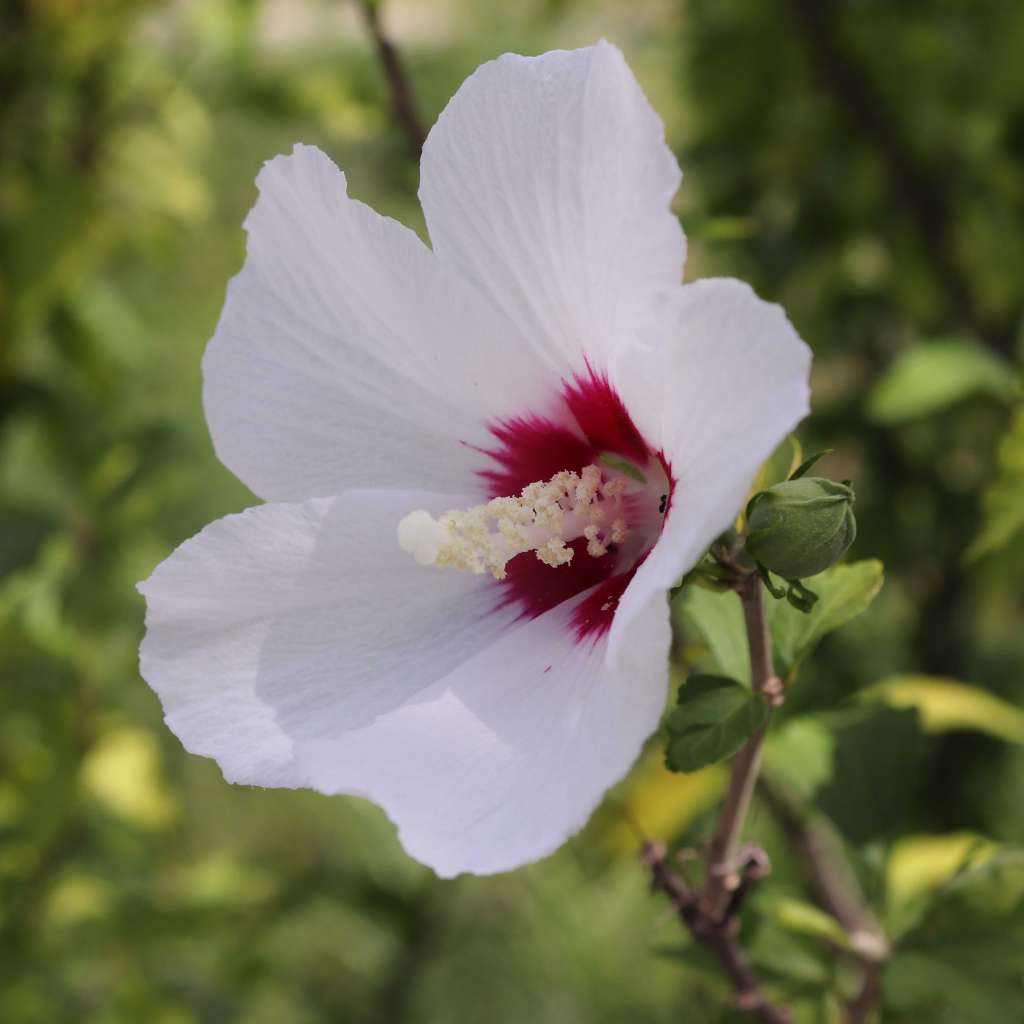
Growing hollyhocks is a delightful way to add height and vibrant color to your garden. These tall, classic flowers are easy to grow and can create a stunning backdrop with their striking blooms.
Planting Hollyhocks
- Timing: Hollyhocks are typically biennials, meaning they take two years to complete their lifecycle. However, some varieties can be grown as annuals. For biennials, start seeds indoors in late winter or early spring, or sow directly outdoors after the last frost.
- Location: Choose a sunny spot with well-drained soil. Hollyhocks thrive in full sun and need at least 6 hours of sunlight a day.
- Soil: Hollyhocks prefer rich, well-draining soil with a neutral pH. Work compost or organic matter into the soil before planting.
- Spacing: Plant seeds or seedlings about 18-24 inches apart. Hollyhocks can grow quite tall, often reaching heights of 6-8 feet, so give them plenty of space to grow.
- Planting Depth: If planting seeds directly in the ground, sow them just beneath the surface (about ¼ inch deep). If transplanting seedlings, plant them at the same depth they were growing in their pots.
Growing Hollyhocks
- Watering: Keep the soil consistently moist but not waterlogged, especially during the first growing season. Water at the base of the plant to avoid wetting the foliage, which can lead to disease.
- Support: Because hollyhocks grow tall, they may need staking or support, especially in windy areas. Bamboo stakes or garden twine can help keep them upright.
- Fertilization: Feed hollyhocks with a balanced fertilizer once in the spring when they start to grow. Compost can also be added to the soil annually to enrich it.
- Mulching: Apply a layer of mulch around the base of the plants to retain moisture, suppress weeds, and regulate soil temperature.
Caring for Hollyhocks
- Deadheading: To encourage more blooms, deadhead spent flowers by cutting back the flower stalks after they have finished blooming. However, if you want the plants to self-seed, leave some flowers to go to seed.
- Pests and Diseases: Hollyhocks are susceptible to rust, a fungal disease that causes orange or brown spots on the leaves. To prevent rust, water the plants at the base, space them well for good air circulation, and remove any affected leaves. Common pests include aphids and Japanese beetles, which can be controlled with insecticidal soap or neem oil.
- Winter Care: In cold climates, cut back hollyhocks to about 6 inches above the ground after the first frost. Apply a layer of mulch to protect the roots over winter.
- Propagation: Hollyhocks easily self-seed, so you may find new plants growing around the original site. You can also collect seeds from dried flower heads and sow them in the fall or save them for spring planting.
Hollyhocks Growing Zone
Hollyhocks are typically hardy in USDA growing zones 3 through 9. They thrive best in full sun and well-drained soil, making them suitable for a wide range of climates.
In colder regions (zones 3-5), they might be grown as biennials or annuals, while in warmer zones (6-9), they can often behave as short-lived perennials, returning for a few years.
Growing Hollyhocks FAQ
Hollyhocks thrive in full sun but can tolerate partial shade. They prefer well-drained soil rich in organic matter. Plant them in a location where they have space to grow vertically, as they can reach heights of 6 to 8 feet or more.
Hollyhock seeds can be sown directly in the garden in late spring to early summer or in the fall. They can also be started indoors 6-8 weeks before the last frost date if you prefer to transplant seedlings.
Scatter the seeds lightly on the soil surface and cover them with a thin layer of soil, about 1/4 inch deep. Keep the soil moist until the seeds germinate, which usually takes 10-14 days.
Water hollyhocks regularly, especially during dry spells. They prefer consistent moisture but avoid overwatering, which can lead to root rot. Water at the base of the plant to prevent fungal diseases.
Yes, hollyhocks can become top-heavy and may need staking, especially in windy areas. Use stakes or plant them against a fence or wall for support.
Hollyhocks typically bloom in mid to late summer, from June to August. The blooming period can last for several weeks, and deadheading (removing spent flowers) can encourage more blooms.
Hollyhocks are easy to propagate from seeds. Collect seeds from mature pods in late summer or early fall and store them in a cool, dry place until you’re ready to plant. They can also self-seed, often producing new plants the following year.
Hollyhocks are best suited for garden beds, but they can be grown in large containers if you provide enough depth for their roots and ensure they have proper support. Choose a container at least 18 inches deep and wide.
Sign up to get our FREE weekly emails
Gardening guides, tips, & videos delivered right to your inbox!