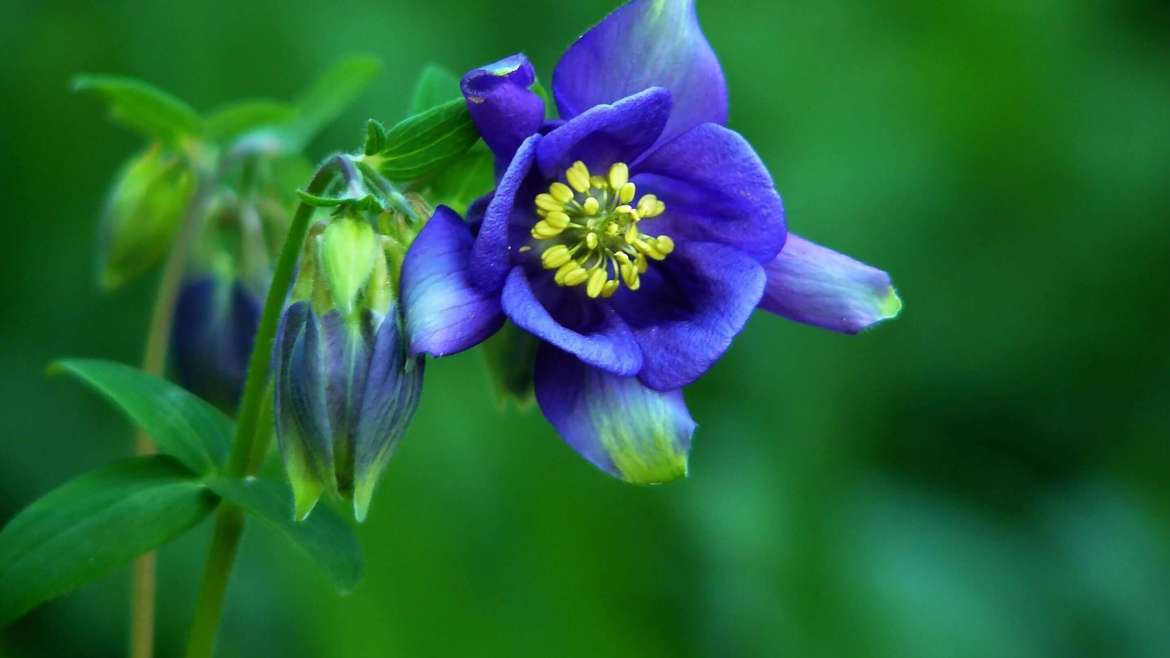
Aquilegias. Quirky name, stunning flowers. If you’ve never seen one, imagine a flower that looks like it could’ve been designed by a fairy, with delicate, spurred petals that seem to float on air. They’re a perfect mix of elegance and wildness, with colors ranging from soft pastels to bold purples and reds. Aquilegias, or columbines, are absolutely one of my favorite plants to grow in the garden.
They bloom in spring, often just as everything else is waking up, and attract all sorts of pollinators with their unique shape and vibrant colors. Plus, they’re not shy about self-seeding, so you’ll probably get more than you bargained for in the years to come. But don’t rush them—these beauties like to take their time. Expect them to reach their full glory in a couple of seasons.
Now, here’s the catch: Aquilegias aren’t the biggest fans of being moved around. They prefer a well-drained spot in the garden where they can settle in and spread their roots, so pick a place and let them be. They’re fairly low-maintenance but appreciate a bit of shade, especially in the hottest part of the day. And like any plant with a delicate charm, they’ll thrive with a little love and respect.
The plant itself? Gorgeous. Its soft, lacy foliage sets off the bold blooms, making it a standout in any garden—plus, it’s pretty resilient once established. And for those who like a bit of symbolism, aquilegias have a bit of magic about them, often associated with luck and spiritual healing.
How to Grow Aquilegias
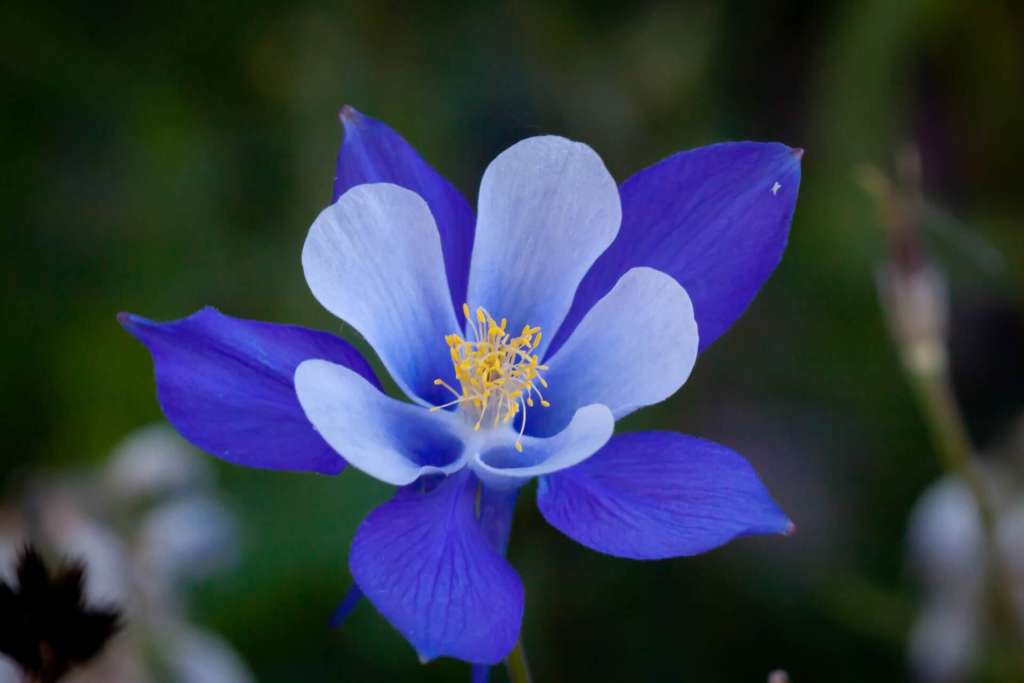
Growing aquilegias involves some basic steps to ensure these beautiful perennials thrive in your garden.
Planting Columbines
- Choosing the Right Location:
- Columbines prefer partial shade but can tolerate full sun in cooler climates. They grow best in well-drained soil with a slightly acidic to neutral pH.
- When to Plant:
- Plant columbines in the spring or early fall. If starting from seeds, sow them indoors 6 to 8 weeks before the last frost, or directly in the garden after the danger of frost has passed.
- Planting Process:
- Seeds: Lightly cover seeds with soil, as they need light to germinate. Germination can take 3 to 4 weeks.
- Transplants: Dig a hole large enough to accommodate the plant’s root ball, place the plant in the hole, backfill with soil, and water thoroughly.
Growing Columbines
- Watering:
- Water columbines regularly, especially during dry spells. However, be careful not to overwater, as they don’t like soggy soil.
- Mulching:
- Apply a layer of mulch around the plants to retain moisture and suppress weeds. This also helps maintain a cool root environment, which columbines prefer.
- Fertilizing:
- Columbines generally do not require heavy feeding. A light application of a balanced fertilizer in the spring can help promote healthy growth.
- Deadheading and Pruning:
- Deadhead spent flowers to encourage continuous blooming and prevent self-seeding if you don’t want the plants to spread. Cut back the foliage after flowering to encourage fresh growth.
- Companion Plants:
- Columbines pair well with other spring-blooming perennials like bleeding hearts, ferns, and hostas. They add a delicate touch to woodland or cottage gardens.
Caring for Columbines
- Winter Care:
- Columbines are generally hardy and don’t need much winter protection. However, in colder climates, a light mulch can protect the roots from extreme temperatures.
- Pests and Diseases:
- Columbines can be susceptible to leaf miners, aphids, and powdery mildew. Regularly inspect your plants, remove any affected foliage, and treat with insecticidal soap or neem oil if necessary.
- Propagation:
- Columbines can be propagated by seed, division, or cuttings. If dividing, do so in early spring or fall, but be aware that columbines have delicate roots and may not always respond well to division.
- Long-Term Care:
- Columbines are relatively short-lived perennials, typically lasting 3 to 4 years. However, they often self-seed, allowing new plants to emerge in your garden naturally.
Aquilegias Growing Zone
Aquilegias, commonly known as columbines, are hardy perennials that can grow in a wide range of climates. They are typically suited for USDA Hardiness Zones 3 to 9.
These zones cover a large portion of the United States, indicating that aquilegias are adaptable to various temperatures, from cold northern climates to warmer southern regions.
Here’s a quick breakdown of what these zones mean for aquilegias:
- Zones 3-4: Aquilegias can withstand very cold winters, and these zones typically have temperatures that can drop to -30°F to -40°F (-34°C to -40°C).
- Zones 5-7: These are moderate climates where aquilegias thrive, with winter temperatures ranging from -10°F to -20°F (-23°C to -29°C).
- Zones 8-9: In these warmer climates, aquilegias might need some protection from the hot afternoon sun, but they can still grow well with proper care.
Growing Aquilegias FAQ
Aquilegias can be planted in spring or early autumn. Planting in autumn allows the plants to establish their roots before winter, leading to stronger growth in the spring.
Aquilegias prefer partial shade but can tolerate full sun if the soil is kept moist. They thrive in well-drained soil that is rich in organic matter. They are ideal for borders, woodland gardens, and cottage gardens.
Yes, Aquilegias can be grown in containers. Ensure the container has good drainage and use a high-quality potting mix. Water regularly to keep the soil moist.
Aquilegias are relatively short-lived perennials, usually lasting 3-4 years. However, they often self-seed, producing new plants that can continue the display year after year.
Sign up to get our FREE weekly emails
Gardening guides, tips, & videos delivered right to your inbox!