
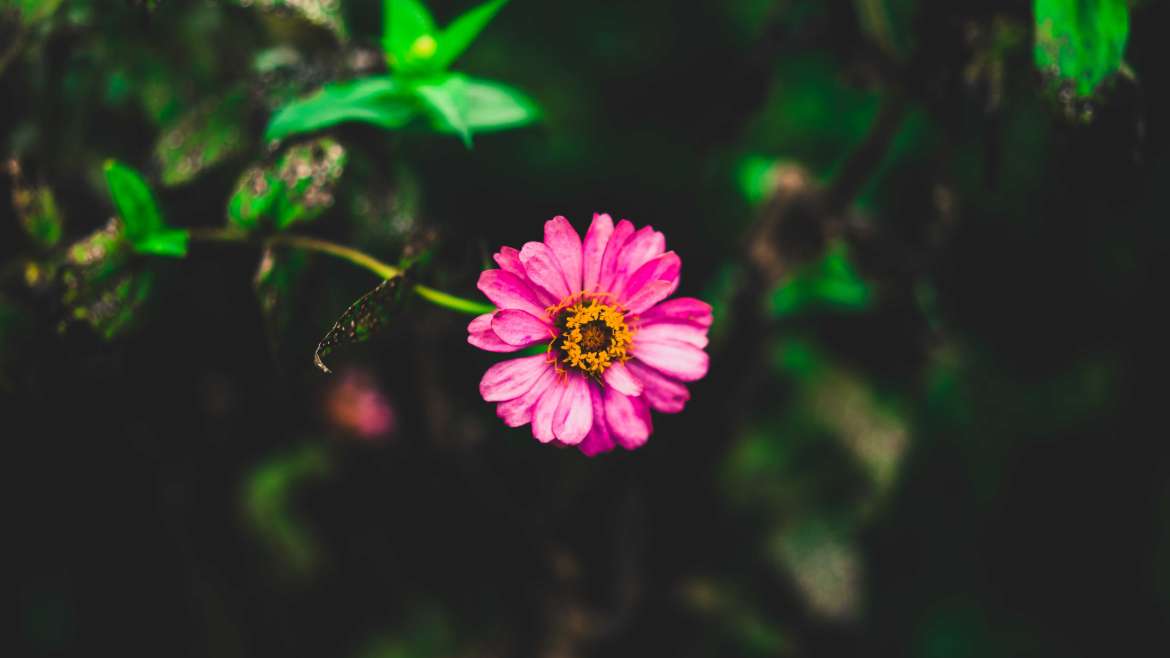
Zinnias. A name that sounds as lively as the flowers themselves. If you’ve never grown them, picture a bouquet bursting with color, as if every bloom is in a race to outshine the others. Zinnias are the epitome of easy-going beauty, making them one of my favorite flowers to grow in any garden.
They bloom from summer right through fall, offering vibrant reds, pinks, oranges, and yellows that can make any garden look like it’s celebrating. They’re perfect for beginners too—these flowers thrive on neglect. Throw them in some well-drained soil and let the sun do its thing, and they’ll reward you with a riot of color. The best part? They’re ridiculously low maintenance. Once established, zinnias can handle the heat and drought like champs.
They’re not picky about being pampered. In fact, the more you try to “help,” the more they seem to ignore you. Just plant them, water them occasionally, and give them enough space to spread out, and they’ll bloom their hearts out.
And the flowers? Absolutely stunning. Bold, showy petals that attract butterflies and bees, making them a hit not just for the eyes but for your garden’s ecosystem. It’s like having a party in your backyard.
How to Grow Zinnias

Growing Zinnias is a rewarding experience for both novice and seasoned gardeners. Zinnias are known for their vibrant colors, ease of growth, and ability to thrive in warm climates.
Planting Zinnias
- Choosing a Location: Zinnias thrive in full sun. Select a location that receives at least 6-8 hours of direct sunlight per day.
- Soil Preparation: Zinnias prefer well-draining soil with a pH between 5.5 and 7.5. Before planting, enrich the soil with compost or well-rotted manure to ensure it is fertile.
- Planting Seeds:
- Direct Sowing: Zinnias are best planted directly in the garden after the last frost date. Sow the seeds about 1/4 inch deep and space them 6 to 18 inches apart, depending on the variety.
- Indoor Sowing: You can start seeds indoors 4-6 weeks before the last frost. Transplant them outdoors once the seedlings have at least two sets of true leaves.
- Watering: After planting, water the area gently to keep the soil moist but not soggy.
Growing Zinnias
- Watering: Zinnias need regular watering, especially during dry periods. Water at the base of the plants to avoid wetting the foliage, which can lead to disease.
- Thinning: If your seedlings are too crowded, thin them out to allow air circulation and reduce competition for nutrients. Keep the strongest seedlings and remove the others.
- Fertilizing: Zinnias generally don’t need much fertilizer. If your soil is poor, you can use a balanced, all-purpose fertilizer every 4-6 weeks during the growing season.
- Mulching: Applying a layer of mulch around the plants can help retain soil moisture and suppress weeds.
Caring for Zinnias
- Deadheading: To encourage continuous blooming, remove spent flowers (deadheading) regularly. This also helps the plant direct its energy towards producing more blooms.
- Pest and Disease Control: Zinnias can be susceptible to powdery mildew and other fungal diseases, especially in humid conditions. Ensure good air circulation by spacing plants adequately and watering at the base. If necessary, treat with an appropriate fungicide. Watch out for pests like aphids and spider mites, and treat infestations promptly with insecticidal soap or neem oil.
- Supporting Taller Varieties: Some zinnias can grow tall and may need staking to keep them upright, especially in windy areas.
Harvesting Zinnias
- Cutting Flowers: Zinnias make excellent cut flowers. Use a sharp knife or scissors to cut the stems early in the morning when the blooms are fresh. Place the cut flowers in water immediately.
- Saving Seeds: Zinnias are easy to propagate from seeds. Allow some flowers to mature and dry on the plant. Once they are dry, collect the seeds for planting next season.
Overwintering (Optional)
- Annuals: Zinnias are typically grown as annuals and do not survive frost. In regions with mild winters, you can try growing zinnias as perennials, but generally, they need to be replanted each year.
- Seed Saving: If you want to plant zinnias next year, save seeds from your best plants. Store them in a cool, dry place until planting season.
Zinnia Growing Zone
Zinnias are versatile and can be grown in USDA hardiness zones 2 through 11. They thrive best in zones 3 to 10, where they enjoy full sun and warm temperatures.
These flowers are heat-tolerant and prefer well-draining soil. In cooler zones, they are typically grown as annuals since they do not tolerate frost.
Growing Zinnias FAQ
Zinnias are vibrant, easy-to-grow annual flowers that bloom in a variety of colors, including red, pink, yellow, orange, and white. They are popular in gardens and for cut flowers due to their bright, long-lasting blooms.
Zinnias should be planted after the last frost in spring, when the soil has warmed up. They thrive in warm weather, so wait until temperatures are consistently above 50°F (10°C) at night.
Sow Zinnia seeds directly in the garden about ¼ inch deep and 6-12 inches apart, depending on the variety. You can also start seeds indoors 4-6 weeks before the last frost and transplant them outdoors.
Yes, deadheading (removing spent flowers) encourages more blooms and helps keep the plant looking tidy. You can also cut Zinnias for bouquets, which has the same effect.
Zinnias bloom from mid-summer until the first frost in fall. With regular deadheading, they can produce flowers continuously throughout the season.
Zinnias are excellent for attracting pollinators like bees, butterflies, and hummingbirds. They are a great addition to a pollinator-friendly garden.
Yes, Zinnias can be grown in containers. Choose a large pot with good drainage, use high-quality potting mix, and ensure the container is placed in full sun.
Zinnias are generally annual plants, meaning they complete their life cycle in one growing season and do not survive through the winter. However, in very warm climates, some zinnia species might behave more like short-lived perennials, but this is not typical.
Zinnias thrive best in full sunlight, requiring at least 6 to 8 hours of direct sun daily to grow and bloom well. They can tolerate partial shade, but in shaded conditions, they may become leggy, produce fewer flowers, and the blooms may be less vibrant.
Sign up to get our FREE weekly emails
Gardening guides, tips, & videos delivered right to your inbox!


