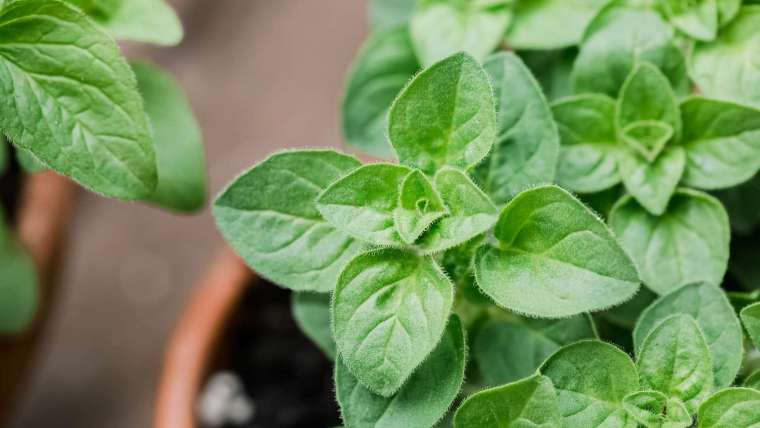
Rosemary. Simple name, but oh, what a plant. If you’ve never tried it, think of it as a gift from the herb garden gods. Imagine if pine and lemon had a baby that decided to be the life of every meal. Earthy, aromatic, with just enough citrus to keep things fresh, rosemary is a staple in my garden. And it’s good for you too!
It thrives in full sun, makes a beautiful bushy shrub that can grow like crazy (but not too crazy, it knows its limits), and—bonus—it’s practically indestructible once it’s established. But, don’t rush and plop it into a pot. Rosemary likes its space to stretch out, so give it some room in the ground to spread its roots.
And let’s talk care: like any good herb, rosemary isn’t needy, but it does like to be pampered a little. A little pruning here and there, some water (but not too much), and a reminder that it’s still loved, and it’ll reward you with fresh, fragrant leaves to elevate any dish.
The plant itself? Gorgeous. Striking, needle-like leaves that are both ornamental and practical—perfect for that rustic charm in your garden, and (yes) it has medicinal benefits too. Some folks swear by rosemary tea for boosting memory and clearing the air.
How to Grow Rosemary
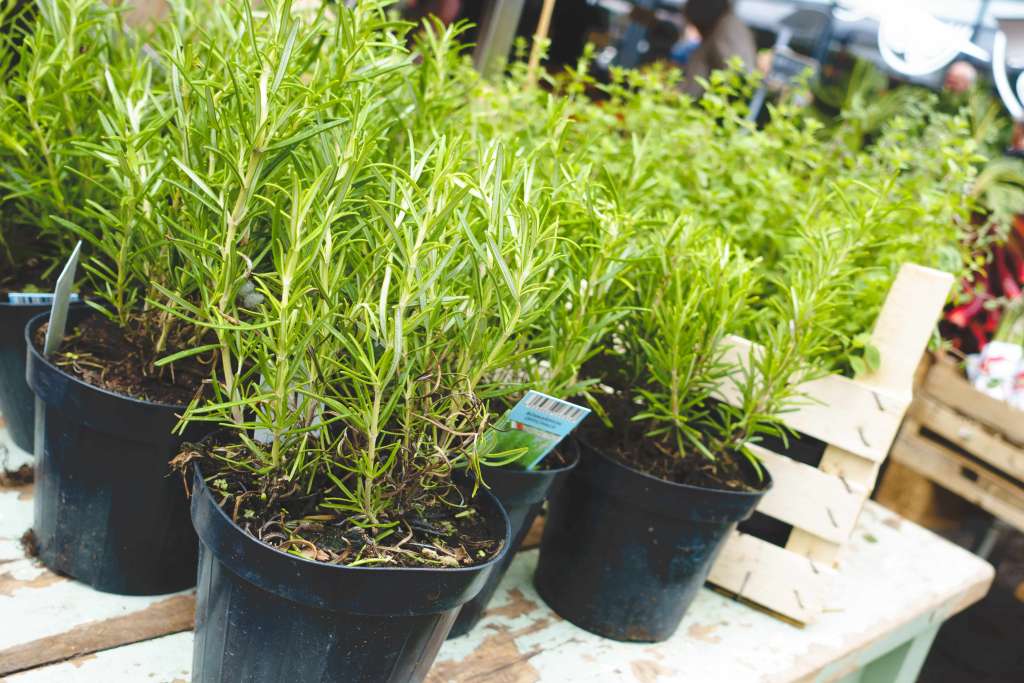
Growing rosemary is relatively easy and rewarding, as it’s a hardy herb that can thrive in various conditions.
Planting Rosemary
- Choosing a Location:
- Sunlight: Rosemary needs full sun, at least 6-8 hours of direct sunlight daily.
- Soil: Well-drained soil is essential. Rosemary prefers sandy or loamy soil with a slightly acidic to neutral pH (6.0-7.0).
- Planting:
- Seeds vs. Cuttings: Rosemary can be grown from seeds, but it’s easier and quicker to propagate from cuttings.
- Timing: Plant rosemary in the spring after the last frost or in the fall in warmer climates.
- Spacing: Space plants about 2-3 feet apart if planting in the ground. For container planting, choose a pot at least 12 inches deep.
- Watering:
- Initial Watering: Water well after planting to help establish the roots.
- Ongoing Care: Once established, rosemary is drought-tolerant. Water when the soil feels dry, but avoid overwatering as rosemary doesn’t like soggy soil.
Growing Rosemary
- Maintenance:
- Pruning: Regularly prune to maintain the desired shape and promote bushier growth. Prune after flowering or during the growing season.
- Feeding: Rosemary doesn’t require much fertilizer. If needed, apply a balanced, slow-release fertilizer in the spring.
- Pests and Diseases: Rosemary is generally pest-resistant but watch out for aphids, spider mites, and powdery mildew. Ensure good air circulation and avoid overwatering to prevent disease.
- Winter Care:
- In Ground: In zones where temperatures drop below 30°F (-1°C), protect the plants by mulching around the base or covering them with a frost cloth.
- In Containers: Bring potted rosemary indoors or to a sheltered area during winter. Ensure it gets enough light and reduce watering.
Harvesting Rosemary
- When to Harvest:
- You can start harvesting rosemary once the plant is established, usually in its second year.
- Harvest leaves as needed, but avoid taking more than one-third of the plant at a time to keep it healthy.
- How to Harvest:
- Cut sprigs with sharp scissors or pruning shears.
- Harvest in the morning after the dew has dried but before the sun is too hot, as this is when the essential oils are most concentrated.
- Storing Rosemary:
- Fresh: Store fresh rosemary in a glass of water on the counter or in the fridge wrapped in a damp paper towel.
- Dried: Hang sprigs upside down in a cool, dry place until dry. Strip the leaves and store them in an airtight container away from light.
Rosemary Growing Zone
Rosemary is a hardy herb that thrives in USDA Hardiness Zones 7 through 10. In these zones, rosemary can grow outdoors year-round.
However, in colder zones (6 and below), it is often grown as an annual or brought indoors during the winter months to protect it from frost. Rosemary prefers a warm, sunny location with well-drained soil.
Growing Rosemary FAQ
Rosemary typically prefers full sun to thrive, requiring about 6-8 hours of sunlight per day. However, it can tolerate partial shade, especially in hotter climates where some afternoon shade can help protect the plant from extreme heat.
Yes, rosemary can be grown indoors if placed in a sunny spot, such as a south-facing window. Ensure good air circulation and avoid overwatering.
Rosemary can be propagated from cuttings or seeds. Cuttings are more common, where you take a 4-6 inch cutting from a healthy plant, remove the lower leaves, and place it in water or soil until roots develop.
Yes, you can grow rosemary from store-bought cuttings if they are fresh and healthy. Place the cuttings in water or soil to encourage root growth.
Prune rosemary regularly to maintain its shape and encourage bushy growth. Light pruning can be done year-round, but more significant pruning is best done in the spring after the last frost.
Harvest rosemary by snipping off the top few inches of the stems as needed. Regular harvesting encourages the plant to become bushier. Avoid cutting more than one-third of the plant at a time.
Yes, rosemary grows well in pots or containers. Choose a container with good drainage, use well-draining soil, and ensure the plant gets enough sunlight.
Sign up to get our FREE weekly emails
Gardening guides, tips, & videos delivered right to your inbox!