

Goji berries. Odd name, but trust me, they’re a superfood for a reason. If you’ve never tried one, picture a tiny, wrinkled red berry that’s packed with sweet and tart flavors in one bite. It’s like nature’s candy, but with a serious health boost. They’re also known as wolfberries and they’ve been used in traditional medicine for centuries, and for good reason. Full of antioxidants, vitamins, and all those good things your body craves.
Goji berry plants are a bit like that friend who’s always down for an adventure—they thrive in a variety of climates and can be grown just about anywhere with enough sunlight. They’re hardy little guys that love the heat, making them perfect for the sunniest corners of your garden. And the best part? They’re pretty low-maintenance once they’re established, though they appreciate a bit of love in the early days—water them, give them some space to grow, and let them stretch their roots.
And the payoff? Those vibrant red berries that’ll start showing up in late summer to fall, ready for you to snack on straight from the vine or toss into smoothies, salads, or desserts. Plus, the plants themselves are surprisingly beautiful, with delicate flowers and a sprawling habit that can add some rustic charm to your garden.
How to Grow Goji Berry Plant
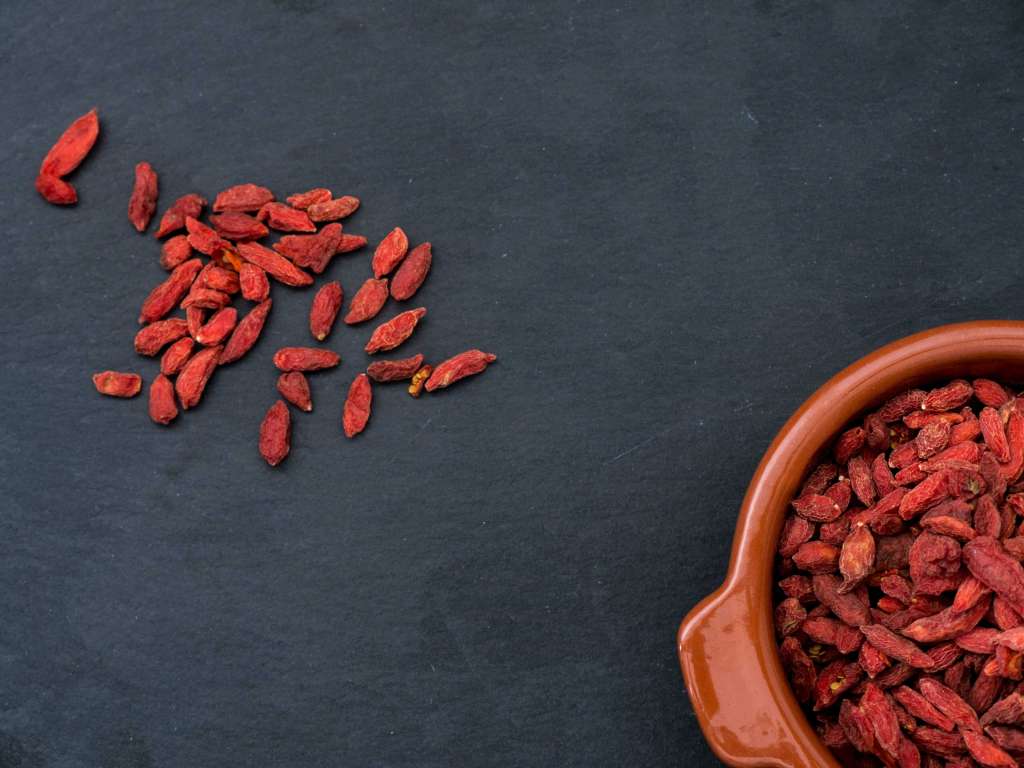
Growing goji berries (Lycium barbarum) can be a rewarding experience, as these nutrient-rich berries are relatively easy to cultivate and thrive in various conditions.
Below is a step-by-step guide on how to plant, grow, and harvest goji berries.
Choosing the Right Location
- Sunlight: Goji berries prefer full sun but can tolerate partial shade.
- Soil: They thrive in well-draining soil with a pH between 6.5 and 8.0. Sandy or loamy soils are ideal, but they can adapt to less-than-ideal conditions.
- Space: Ensure sufficient space between plants, ideally about 4-6 feet apart, as they can grow into large, bushy shrubs.
Planting Goji Berries
- Seeds or Cuttings: You can start goji berries from seeds or cuttings. Starting from cuttings is faster, as seeds can take a few years to mature.
- Planting Time: Early spring is the best time to plant goji berries.
- Planting Depth: Plant seeds about 1/4 inch deep in soil, or bury cuttings deep enough to cover the roots.
- Watering: Water the plants thoroughly after planting, and keep the soil consistently moist but not waterlogged.
Caring for Goji Berry Plant
- Watering: Goji berries are drought-tolerant once established, but young plants need regular watering.
- Mulching: Apply mulch around the base to retain moisture and control weeds.
- Fertilizing: Use a balanced fertilizer in early spring to promote growth. Avoid over-fertilizing, as this can lead to excessive foliage at the expense of fruit production.
- Pruning: Prune the plants in late winter or early spring to remove dead or overcrowded branches and to encourage new growth.
Harvesting Goji Berries
- Time to Harvest: Goji berries typically produce fruit in their second year if grown from cuttings, or third year if grown from seeds. They bear fruit in late summer through early autumn.
- Harvesting Method: The berries are ripe when they turn bright red or orange. They can be harvested by gently plucking them from the branches.
- Handling: Handle the berries carefully as they bruise easily. They can be eaten fresh, dried, or used in various recipes.
Pests and Diseases
- Common Pests: Watch out for aphids, spider mites, and whiteflies. Neem oil or insecticidal soap can help control these pests.
- Diseases: Goji berries are generally hardy, but they can be susceptible to powdery mildew and root rot. Ensure good air circulation and avoid waterlogged soil to prevent these issues.
Winter Care for Goji Berry Plant
- Cold Hardiness: Goji berries are hardy in USDA zones 5-9. In colder regions, protect the plants with mulch or a frost cloth to prevent damage.
Propagating Goji Berries
- Cuttings: You can propagate goji berries by taking softwood cuttings in spring or hardwood cuttings in winter.
- Seeds: If growing from seeds, stratify them (store in a cool, moist place) for a few weeks before planting.
Storing Goji Berries
- Fresh: Fresh goji berries can be stored in the refrigerator for up to a week.
- Dried: Dry the berries in a dehydrator or oven, then store them in an airtight container in a cool, dark place for several months.
Goji Berries Growing Zone
Goji berries (Lycium barbarum and Lycium chinense) are best suited for growing in USDA hardiness zones 5 to 9. Here’s a quick overview:
- Zones 5-6: Goji berries will survive winter temperatures down to -20°F (-29°C). In these cooler climates, they typically die back to the ground but regrow in spring.
- Zones 7-9: In these milder climates, goji berries are more likely to remain evergreen, though they may still drop leaves in winter. These zones provide optimal growing conditions with longer growing seasons.
Growing Goji Berries FAQ
Goji berries are small red fruits that grow on the Lycium barbarum or Lycium chinense plant. They are known for their high antioxidant content and are often used in traditional medicine.
Goji berries thrive in USDA hardiness zones 5-9. They prefer a warm, sunny climate with well-drained soil, but they can tolerate some drought and are relatively hardy in cold weather.
Plant goji berries in well-drained soil with a pH between 6.5 and 7.5. Choose a location with full sun. Plant them 4-6 feet apart in rows, with each plant having enough space to grow.
Goji berries typically start producing fruit in the second year after planting. The berries usually ripen in late summer or early fall.
Yes, goji berries can be grown in containers. Choose a large pot with good drainage and use a high-quality potting mix.
Harvest goji berries when they are bright red and fully ripe. Gently shake or pick the berries off the branches. Be careful not to damage the plant, as the branches are somewhat brittle.
Sign up to get our FREE weekly emails
Gardening guides, tips, & videos delivered right to your inbox!


