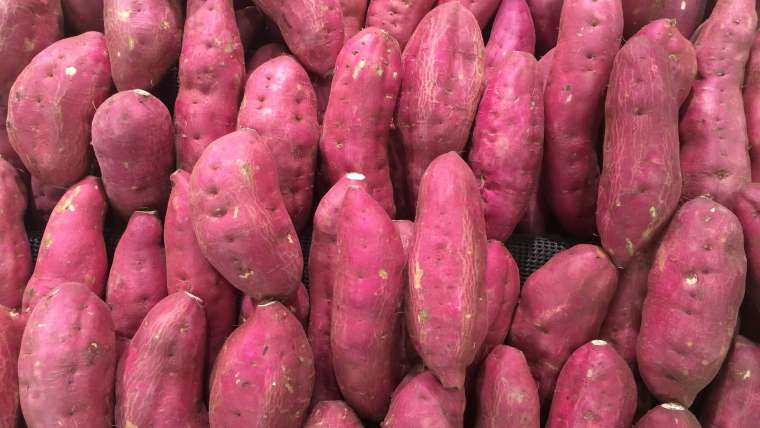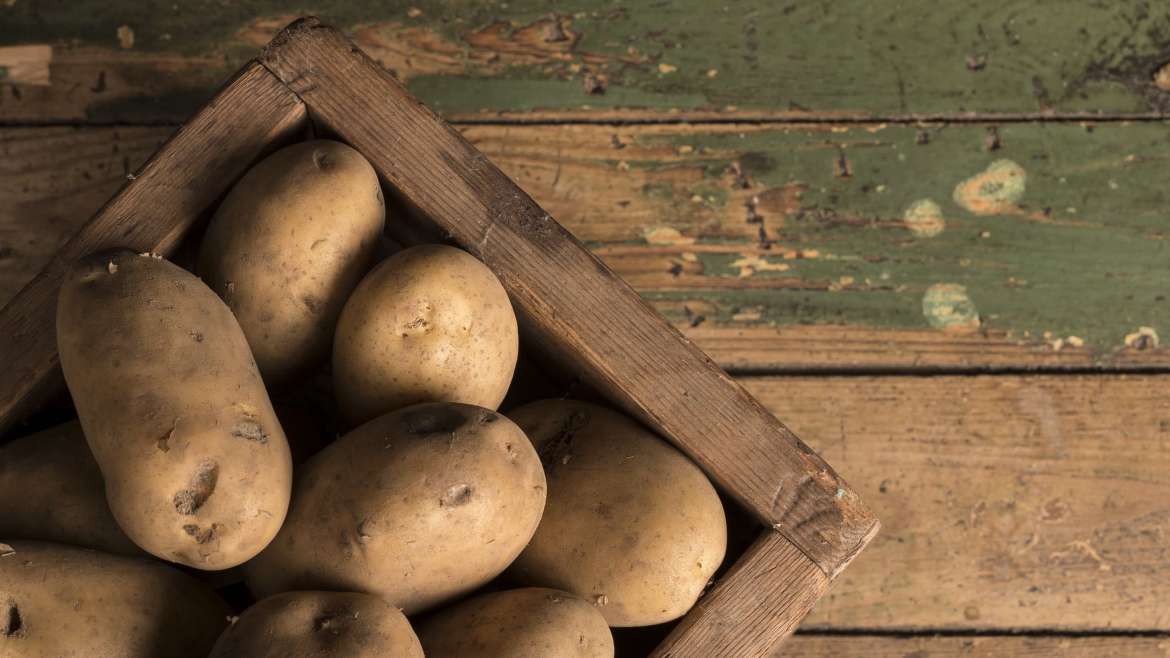
Potatoes. Simple name, seriously satisfying food. If you’ve never really thought about them, picture a humble vegetable that can be transformed into crispy fries, mashed comfort, or a hearty bake with just the right seasoning. Potatoes are one of those crops that just get you—they’re versatile, reliable, and make everything a bit better. Plus, they’re definitely packed with nutrients!
They’re a cool-weather crop, best planted in early spring when the ground is still waking up. And if you’re the impatient type, you’ll love this—potatoes can be ready for harvest in as little as 60 days. But here’s the thing: patience is key when it comes to the growing process. You’ll need to keep the soil well-drained and make sure they’re not sitting in water, which can make them rot. Think of them as the little underdogs that need a bit of attention to really shine.
And the plant? It’s got a soft spot for sun and space. It doesn’t need a whole lot of babysitting, but a little care—especially when those little tubers start sprouting—goes a long way. If you’re growing them in the garden, give them plenty of room to spread out, and you’ll be rewarded with a generous harvest.
How to Grow Potatoes
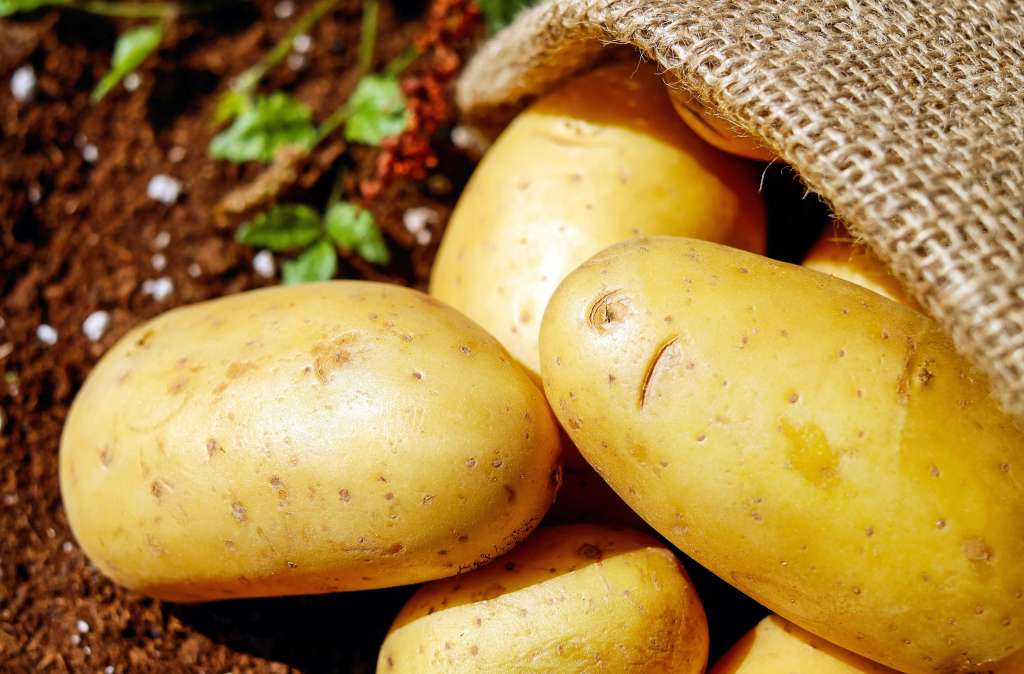
Growing potatoes is a rewarding process that can be done in your backyard garden or even in containers. Here’s a step-by-step guide:
Preparing for Planting
- Select Seed Potatoes: Choose certified disease-free seed potatoes. You can buy these from a garden center or online. Avoid using potatoes from the grocery store, as they may be treated to prevent sprouting.
- Chitting (Optional): A few weeks before planting, place your seed potatoes in a cool, light area to encourage sprouting. This process is called chitting. Allow the sprouts to grow to about 1 inch (2.5 cm) long.
- Prepare the Soil: Potatoes grow best in well-drained, loose soil that is slightly acidic (pH 5.0-6.0). Amend your soil with compost or well-rotted manure to improve fertility and drainage. Avoid soil that recently hosted other solanaceous crops like tomatoes or peppers to reduce disease risk.
Planting Potatoes
- Timing: Plant potatoes in early spring, 2-4 weeks before the last expected frost date in your area. In warmer climates, you can plant in the fall or winter.
- Cutting Seed Potatoes (if large): If your seed potatoes are large, cut them into pieces with at least one or two eyes (sprouts) per piece. Let the cut pieces dry for a day or two to form a protective callous.
- Planting Depth and Spacing: Dig trenches about 4-6 inches (10-15 cm) deep and space them about 30 inches (75 cm) apart. Place the seed potato pieces with the eyes facing up, spacing them 12 inches (30 cm) apart in the trench. Cover with 4 inches (10 cm) of soil.
Growing Potatoes
- Watering: Keep the soil consistently moist but not waterlogged. Water deeply once or twice a week, depending on rainfall. Avoid letting the soil dry out completely, especially during tuber formation.
- Hilling: When the plants are about 6-8 inches (15-20 cm) tall, mound soil around the base of the plants to cover the lower leaves. This process, known as hilling, protects the tubers from sunlight (which can cause greening and bitterness) and encourages more tuber production. Repeat hilling every few weeks as the plants grow.
- Fertilizing: Fertilize with a balanced fertilizer or one specifically formulated for potatoes. Apply according to the package instructions, usually at planting and again when the plants start flowering.
- Weeding: Keep the area weed-free to reduce competition for nutrients and water. Be gentle when weeding around the plants to avoid disturbing the shallow roots.
Harvesting Potatoes
- New Potatoes: If you want to harvest tender new potatoes, you can do so about 2-3 weeks after the plants start flowering. Carefully dig around the plants with your hands or a small garden fork to find the young tubers.
- Mature Potatoes: For full-sized potatoes, wait until the plants have yellowed and died back. This usually occurs 2-3 weeks after flowering. Once the foliage has completely died, dig up the tubers with a garden fork or spade, being careful not to damage them.
- Curing (Optional): After harvesting, let the potatoes cure in a cool, dark, and well-ventilated place for about 1-2 weeks. This allows the skins to toughen up, which helps them store longer.
Storing Potatoes
- Storage Conditions: Store potatoes in a cool, dark, and humid place (45-50°F or 7-10°C) with good ventilation. Avoid storing them in the fridge, as this can turn their starches into sugars.
- Check Regularly: Periodically check stored potatoes for any signs of rot or sprouting, and remove any affected tubers to prevent the problem from spreading.
Potatoes Growing Zone
Potatoes are a cool-season crop, and they grow best in USDA Hardiness Zones 3 through 10.
Here’s a general guideline for potato growing zones:
- Zones 3-5: These regions have a shorter growing season. Potatoes should be planted in early spring as soon as the ground can be worked, typically in April or May.
- Zones 6-7: In these zones, potatoes can be planted in early to mid-spring, usually from March to early April. The growing season is longer, allowing for a good harvest.
- Zones 8-10: In warmer zones, potatoes are often grown as a fall or winter crop. Planting typically occurs from September to February, depending on the specific climate and local frost dates.
Growing Potatoes FAQ
There are many varieties of potatoes, including russet, red, yellow, and fingerling. Choose a variety based on your climate, soil type, and personal preference.
Potatoes are typically planted in early spring, about 2-4 weeks before the last expected frost date. In warmer climates, you can also plant them in late summer for a fall harvest.
Cut the seed potatoes into pieces, each with at least one “eye” or sprout. Let them dry out for a day or two before planting to reduce the risk of rotting.
Potatoes prefer well-drained, loose soil with a slightly acidic pH (5.0-6.5). Loamy soil rich in organic matter is ideal.
Plant potatoes 4-6 inches deep and 12-15 inches apart in rows. Cover them with soil and mound additional soil around the stems as they grow.
Potatoes are usually ready to harvest when the foliage starts to yellow and die back, typically 10-12 weeks after planting. For new potatoes, you can harvest earlier.
Yes, potatoes can be grown in large containers or grow bags. Ensure the container is at least 12 inches deep and wide, and follow similar planting and care instructions as for garden-grown potatoes.
Sign up to get our FREE weekly emails
Gardening guides, tips, & videos delivered right to your inbox!