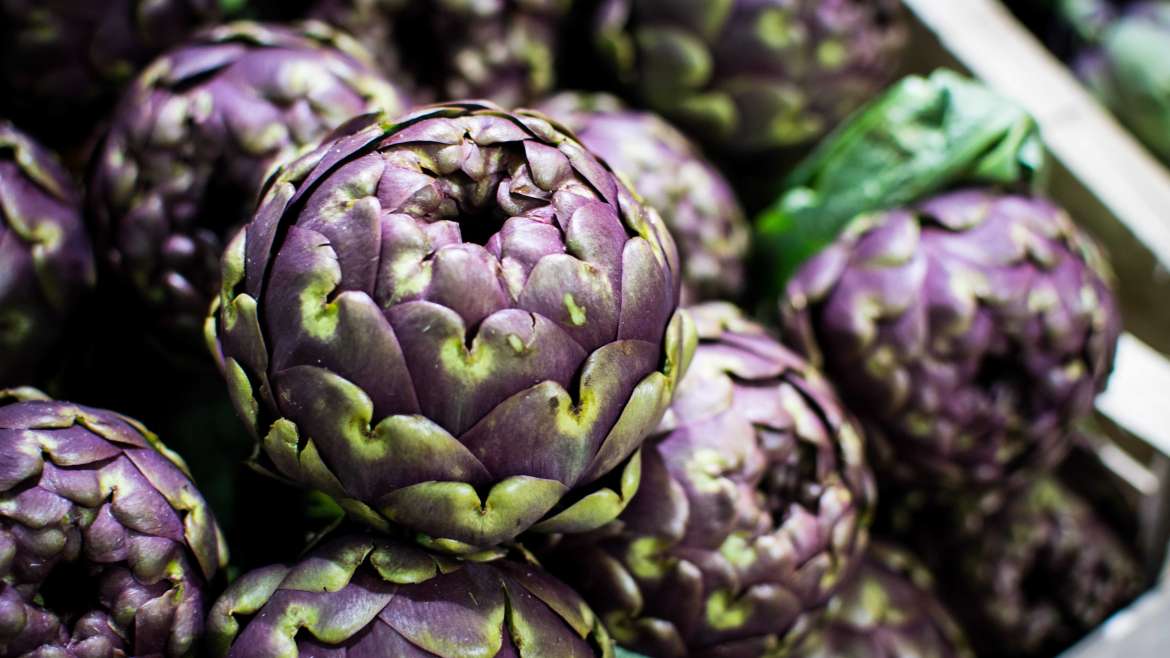
Artichokes. Strange little vegetable, but oh, they’re worth the effort. If you’ve never had one, think of them as a tough exterior hiding a tender heart that’s worth digging into. The flavor? Earthy, nutty, and a bit sweet, with a texture that’s unlike anything else. You’ll find yourself savoring every bite, and somehow, even the spiky leaves seem more like a challenge than an obstacle.
Growing artichokes? It’s a bit like taking care of an old friend. They need a good amount of sun, rich soil, and a lot of patience. Plant them right, and you’ll be rewarded with stunning, large, thistle-like blooms that almost look too beautiful to eat. But don’t be fooled—these flowers are what turns into those edible buds, and you’ll be harvesting them in late spring or early summer.
Artichokes aren’t exactly for the impatient gardener. They’re a perennial, meaning they come back year after year, but they do take a couple of seasons to really hit their stride. And while they’re not high-maintenance, they do appreciate a little love in the form of mulch and water during their early years.
In the end, growing artichokes is like getting to know a person—there’s some tough work at the start, but once you get past that, it’s totally worth it. Plus, they’re packed with antioxidants, fiber, and a whole bunch of other healthy goodness.
How to Grow Artichokes
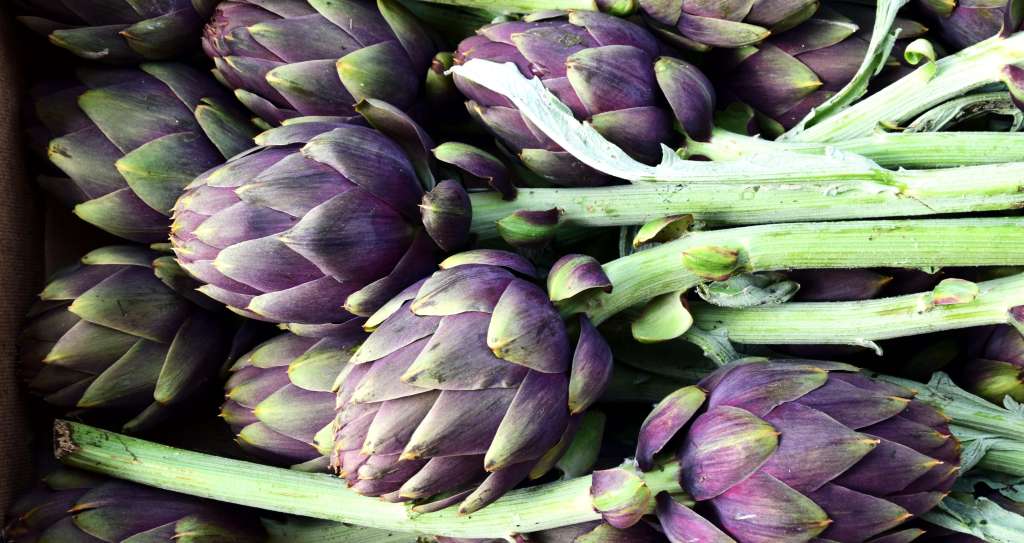
Growing artichokes can be a rewarding experience, as they are both ornamental and edible. Below is a guide on how to plant, grow, and harvest artichokes.
Choosing the Right Variety
- Globe Artichokes: Common variety, large and round.
- Jerusalem Artichokes: Technically not artichokes, but tubers with a similar flavor.
Planting Artichokes
- Climate: Artichokes thrive in mild, Mediterranean-like climates. They prefer cool, moist summers and mild winters.
- Timing: Plant artichokes in early spring in cool climates or fall in warmer climates.
- Location: Choose a sunny location with well-drained soil. Artichokes need at least 6 hours of sunlight per day.
- Soil Preparation: Amend the soil with compost or aged manure to improve fertility and drainage. The soil pH should be between 6.5 and 7.5.
- Planting Method: You can plant artichokes from seeds, divisions, or transplants.
- Seeds: Start seeds indoors 8-10 weeks before the last frost date. Transplant seedlings outside when they are 8-10 weeks old.
- Divisions: Take root divisions from established plants in early spring.
- Transplants: Space plants 3-4 feet apart in rows 6 feet apart.
Growing Artichokes
- Watering: Keep the soil consistently moist but not waterlogged. Water deeply, especially during dry periods.
- Mulching: Apply a layer of mulch around the base of the plants to conserve moisture and suppress weeds.
- Fertilizing: Feed artichokes with a balanced fertilizer every 3-4 weeks during the growing season. An organic fertilizer or compost tea works well.
- Pruning: Remove any spent or dead leaves to promote air circulation and prevent disease.
- Pest Control: Watch for common pests like aphids, snails, and slugs. Handpick pests or use organic insecticides if necessary.
Harvesting Artichokes
- Timing: Artichokes are ready to harvest when the buds are fully developed but before they start to open. The main bud will mature first, followed by smaller side buds.
- Method: Cut the stem about 1-2 inches below the bud using a sharp knife. Harvesting early in the morning ensures the best flavor and texture.
- Frequency: You can expect to harvest artichokes for several weeks. In some climates, artichokes can be perennial and produce for up to 5 years.
Storing and Using Artichokes
- Storing: Store artichokes in the refrigerator in a plastic bag for up to a week. To keep them fresh longer, sprinkle them with water before storing.
- Cooking: Artichokes can be steamed, boiled, grilled, or roasted. The edible parts include the tender base of the leaves, the heart, and the inner core.
Overwintering
- In colder climates, protect artichokes during winter by cutting back the plants and covering them with mulch or straw. In mild climates, they may survive as perennials.
Artichokes Growing Zone
Artichokes typically grow best in USDA Hardiness Zones 7 through 12. These zones provide the mild winters and warm summers that artichokes prefer.
In colder regions (Zones 6 and below), artichokes are often grown as annuals or treated as perennials with extra winter protection.
If you are considering growing artichokes, it’s important to know your local growing zone to determine if your climate is suitable or if you’ll need to take special measures to protect the plants.
Growing Artichokes FAQ
For perennial growth, plant artichokes in early spring or late fall. In cooler climates where artichokes are grown as annuals, start seeds indoors 8-10 weeks before the last frost date and transplant them outside after the danger of frost has passed.
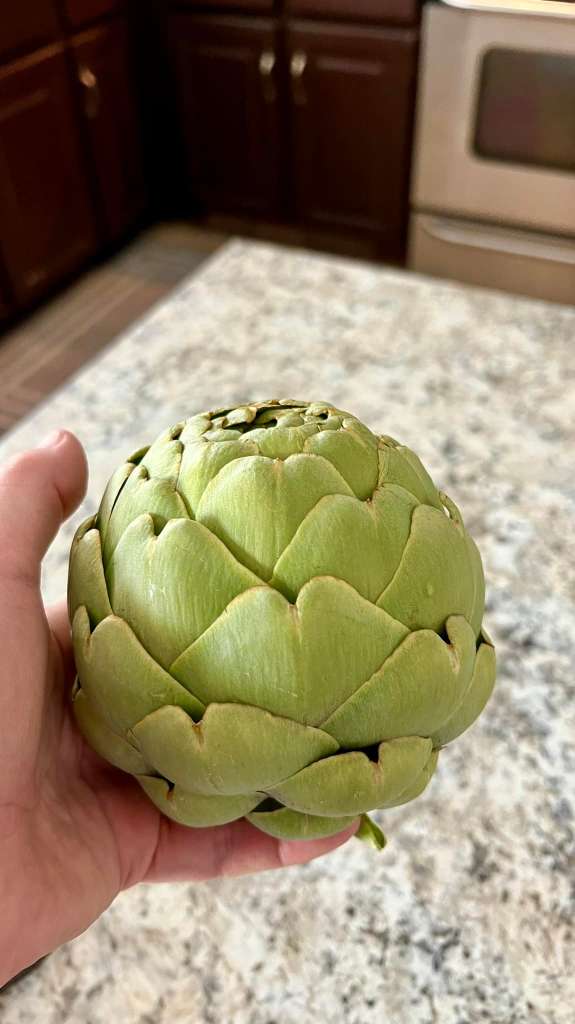
Harvest artichokes when the buds are tight and about 3-4 inches in diameter. Use a sharp knife to cut the bud along with a few inches of stem. If left to mature on the plant, the buds will open into large purple flowers.
In regions where artichokes are grown as perennials, cut back the foliage to the ground after the first frost. Mulch heavily around the base of the plant to protect the roots during the winter. In colder climates, you can dig up the plants, store the roots in a cool, dry place, and replant in the spring.
Artichokes usually take 85-120 days from transplanting to harvest. If grown as perennials, the first harvest typically occurs in the second year.
An artichoke plant typically produces between 6 to 10 artichokes per growing season. However, the number can vary depending on the plant’s age, variety, and growing conditions.
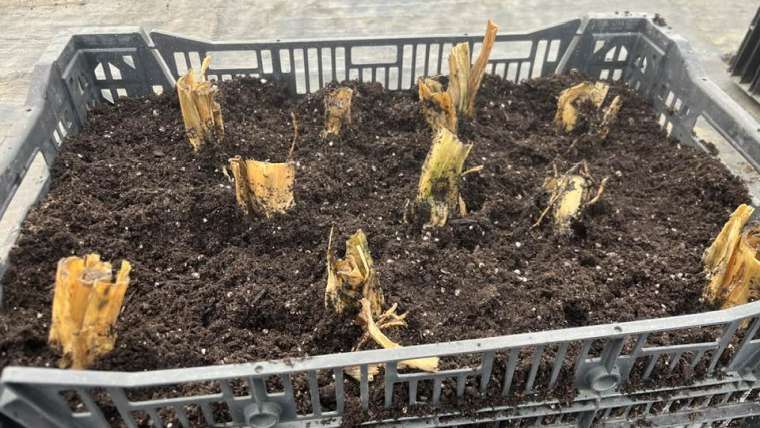
Plant the crowns in early spring, spacing them about 3 to 4 feet apart. Dig a hole deep enough to accommodate the crown, usually about 6 to 8 inches, and place the crown so the top is just above soil level. Cover it with soil and water thoroughly. With proper care, the artichoke plants will produce edible buds in their first year, with the best harvests occurring in subsequent years.
Sign up to get our FREE weekly emails
Gardening guides, tips, & videos delivered right to your inbox!