
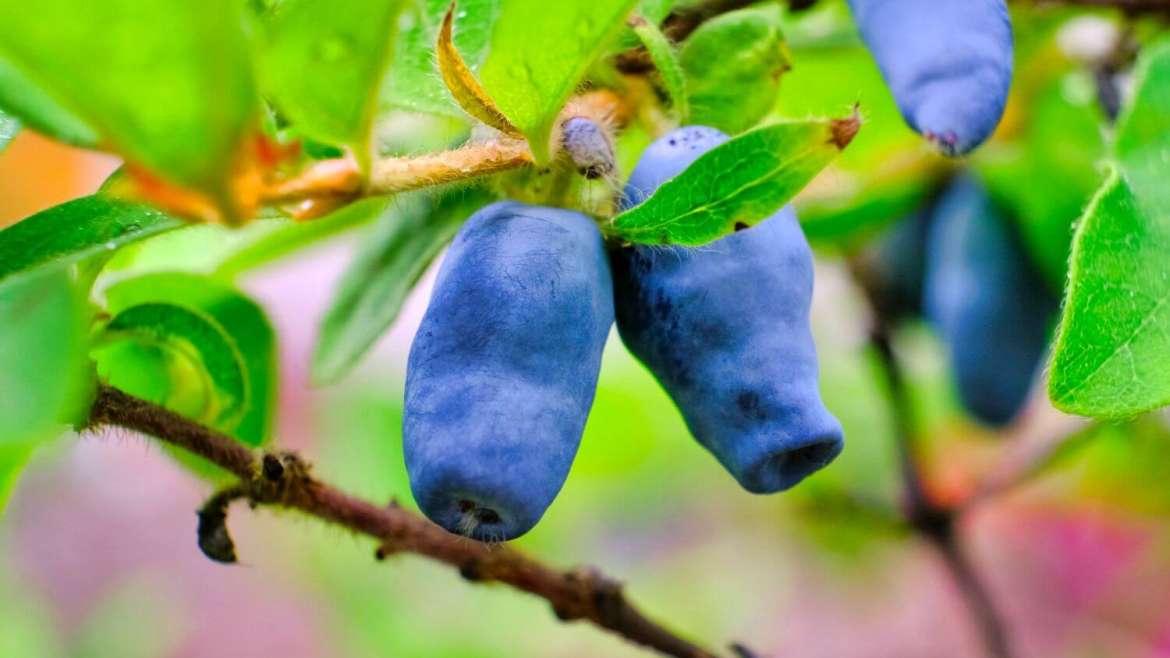
Honeyberries. also known as Haskap berries or Blue Honeysuckle. Sounds sweet, right? Well, they are. Imagine if blueberries and raspberries had a baby, and it wasn’t picky about the cold. Honeyberries are like nature’s little winter warriors—hardy, sweet, and just the right amount of tang to make you appreciate the taste of spring. Honestly, they’re one of the easiest berries to grow, and they don’t even need a tropical climate to thrive.
These beauties ripen early, usually around May, when you’re still trying to figure out what to do with your garden. And here’s a fun fact: you don’t have to wait years to see results. Honeyberries can start producing fruit in just a couple of years. But, don’t rush it—plant them somewhere with good soil and plenty of space for their roots to stretch out.
They’re pretty low-maintenance, but like most things, they appreciate a little love and attention in the beginning. A bit of watering and some mulch in their first few seasons will do wonders. And if you’re lucky, you’ll get a healthy harvest of berries that are packed with antioxidants.
The plant itself? Stunning. With their elongated leaves and subtle, bell-shaped flowers, honeyberry bushes add a touch of elegance to any garden. Plus, they’re a magnet for bees, so you’re doing the ecosystem a solid while getting those delicious, sweet-tart fruits. What’s not to love?
How to Grow Honeyberries
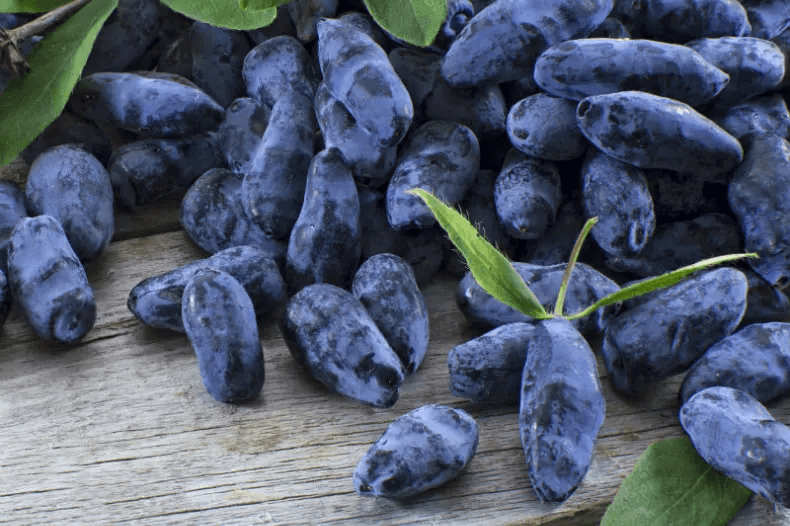
Growing honeyberries is such a rewarding experience. Honeyberries are a hardy, cold-tolerant fruit-bearing shrub native to Russia and parts of Japan.
They are closely related to honeysuckle but produce edible berries that resemble elongated blueberries in appearance and taste.
Planting Honeyberries
- Choosing a Site:
- Sunlight: Honeyberries thrive in full sun but can tolerate partial shade. Aim for at least 6 hours of direct sunlight each day.
- Soil: Well-draining soil with a pH of 5.0 to 7.0 is ideal. They prefer slightly acidic to neutral soil.
- Spacing: Space plants about 4-5 feet apart, as they can grow 4-6 feet tall and wide.
- When to Plant:
- Plant honeyberries in early spring or fall when the weather is cool. In colder regions, spring planting is preferable to give plants time to establish before winter.
- Planting Process:
- Dig a Hole: Dig a hole twice as wide and as deep as the root ball.
- Prepare the Soil: Mix the excavated soil with compost to improve fertility and drainage.
- Planting: Place the plant in the hole, ensuring the top of the root ball is level with the soil surface. Backfill with soil and water thoroughly.
- Mulching:
- Apply a layer of organic mulch around the base of the plant to retain moisture, suppress weeds, and regulate soil temperature.
Growing Honeyberries
- Watering:
- Water regularly, especially during dry periods. Honeyberries prefer consistent moisture but do not tolerate waterlogged soil.
- Fertilizing:
- Fertilize in early spring with a balanced fertilizer or compost. Avoid over-fertilizing, as too much nitrogen can reduce fruit production.
- Pruning:
- Prune honeyberries in late winter or early spring before new growth begins. Remove dead, damaged, or weak branches to encourage healthy growth.
- As the plant matures (around 4-5 years old), thin out older branches to promote better air circulation and fruit production.
- Pest and Disease Control:
- Honeyberries are relatively pest-free. However, birds are attracted to the berries, so consider using bird netting to protect your crop.
- Monitor for common pests like aphids and mites. Use insecticidal soap or neem oil if necessary.
Harvesting Honeyberries
- When to Harvest:
- Honeyberries ripen in early summer, usually from late May to early July, depending on the variety and location.
- The berries are ready to harvest when they are deep blue or purple and come off easily from the plant.
- How to Harvest:
- Gently pick the berries by hand or shake the branches to collect ripe fruit on a tarp or sheet placed underneath the bush.
- Harvest regularly, as honeyberries do not ripen all at once and can be eaten by birds if left too long.
- Post-Harvest Handling:
- Rinse the berries and store them in the refrigerator. Honeyberries can last up to two weeks when stored properly.
- They can also be frozen, dried, or used in jams, jellies, and baked goods.
Varieties to Consider
- Aurora: Known for its large, sweet berries and vigorous growth.
- Indigo Gem: A compact variety with smaller, tart berries.
- Tundra: Hardy and productive, with slightly tart berries.
- Honeybee: A good pollinator variety, producing medium-sized sweet berries.
Honeyberry Growing Zone
Honeyberry plant thrives in USDA Hardiness Zones 2 through 7. This means it can grow well in areas with very cold winters and cooler summers.
Honeyberries require a chilling period in winter to produce fruit, making them ideal for cooler climates. Warmer zones may not provide the necessary winter chill hours, leading to poor fruit production.
Growing Honeyberries FAQ
Honeyberries are a type of fruit from the honeysuckle family (Lonicera caerulea), known for their sweet and tangy taste. They are also called “Haskap” berries in some regions. These berries are typically oblong and have a deep blue color when ripe.
Honeyberries are hardy and can be grown in a variety of climates, including colder regions. They thrive in USDA zones 2-7, making them suitable for areas with harsh winters.
To plant honeyberries, choose a site with well-drained soil and full sun. Dig a hole large enough to accommodate the root system, place the plant in the hole, and fill it with soil. Water thoroughly after planting. It’s recommended to plant at least two different varieties for better cross-pollination and fruit production.
If you’re growing honeyberries, it’s better to plant them in the spring or fall. Spring planting is generally preferred in colder climates to give the plants a full growing season to establish roots before winter.
Honeyberries typically start producing fruit 2-3 years after planting. However, full fruit production may take up to 5-6 years. The berries usually ripen in late spring to early summer, depending on the climate and variety.
Yes, honeyberries can be grown in containers, provided the container is large enough to accommodate the plant’s root system.
Sign up to get our FREE weekly emails
Gardening guides, tips, & videos delivered right to your inbox!


