
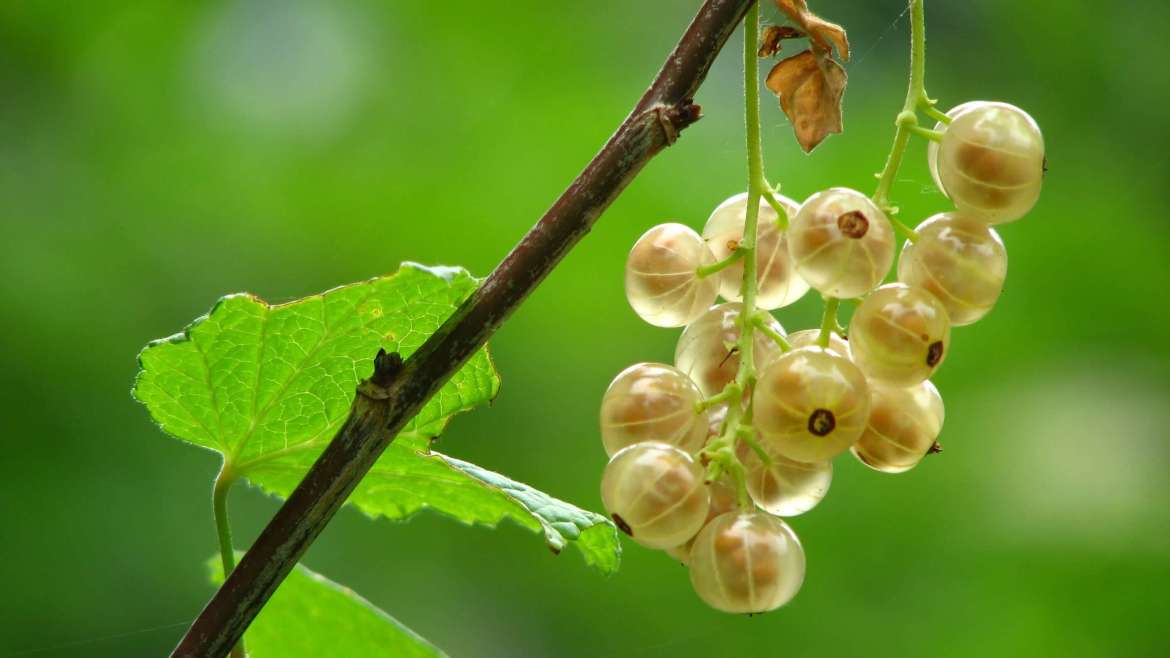
Currants are small, tart berries that come in various colors, including red, black, and white.
These tiny fruits are packed with vitamins, particularly vitamin C, and are known for their antioxidant properties.
Often used in jams, jellies, and baked goods, currants add a burst of tangy flavor to recipes. They are also enjoyed fresh, though their sharp taste can be an acquired preference.
In addition to their culinary uses, currants have been traditionally valued for their health benefits, such as supporting the immune system and promoting healthy skin.
Whether dried or fresh, currants offer a unique taste that brightens up any dish.
How to Grow Currants

Growing currants can be a rewarding experience if done correctly. Below is a step-by-step guide to help you through the process.
Planting Currants
- Choosing the Right Location:
- Currants thrive in well-drained, fertile soil with a pH of 6.0 to 6.5.
- They prefer full sun but can tolerate partial shade. Avoid areas with poor air circulation to prevent disease.
- Planting Time:
- Plant currants in early spring or late fall when the plants are dormant.
- Preparing the Soil:
- Work organic matter like compost into the soil to improve fertility and drainage.
- Space the plants 4-5 feet apart in rows that are 6 feet apart to allow for adequate air circulation.
- Planting Process:
- Dig a hole large enough to accommodate the root ball of the plant.
- Place the plant in the hole at the same depth it was growing in the nursery. For bare-root plants, spread the roots out evenly.
- Backfill with soil and water thoroughly.
Growing Currants
- Watering:
- Keep the soil consistently moist but not waterlogged. Currants have shallow roots and benefit from regular watering, especially during dry periods.
- Mulching:
- Apply a 2-3 inch layer of mulch around the base of the plants to retain moisture, regulate soil temperature, and suppress weeds.
- Fertilizing:
- Fertilize currants in early spring with a balanced fertilizer or compost. Avoid high-nitrogen fertilizers, as they promote foliage growth over fruit production.
- Pruning:
- Prune currants annually in late winter or early spring before new growth begins.
- Remove dead, diseased, or crossing branches and thin out older branches to encourage new growth.
- Aim to have 6-8 healthy canes of varying ages for optimal fruit production.
- Pest and Disease Management:
- Monitor for common pests like aphids, spider mites, and currant borers. Use insecticidal soap or neem oil if necessary.
- Watch for fungal diseases like powdery mildew and rust. Ensure good air circulation and avoid overhead watering to minimize these issues.
Harvesting Currants
- When to Harvest:
- Currants typically ripen in mid-summer. They are ready to harvest when the berries are fully colored and slightly soft to the touch.
- Red and white currants should be harvested as soon as they ripen, while black currants can be left on the bush for a few extra days for increased sweetness.
- How to Harvest:
- Use scissors or garden shears to cut the clusters of berries from the bush.
- Handle the berries gently to avoid bruising.
- Post-Harvest Care:
- Store currants in the refrigerator if not using them immediately. They can last up to two weeks when stored properly.
- Currants can also be frozen, dried, or made into jams and jellies for long-term storage.
Currants Growing Zone
Currants, which include blackcurrants, redcurrants, and whitecurrants, are hardy shrubs that grow well in USDA hardiness zones 2 through 8.
They prefer cooler climates and can tolerate cold winters, making them ideal for regions with shorter growing seasons.
Growing Currants FAQ
Currants are small, tart berries. Dried currants are similar in appearance to raisins but are much smaller and have a more intense, tangy-sweet flavor. They are commonly used in baking, cooking, and even in savory dishes, adding a burst of flavor and a chewy texture.
Currants prefer a location with full sun to partial shade. They thrive in well-drained, fertile soil with a pH of 6.0-6.5.
Space currant bushes 3-5 feet apart. This allows good air circulation and gives them room to grow.
The best time to plant currants is in the early spring or late fall, when the plants are dormant.
Yes, prune currants in late winter or early spring. Remove old, unproductive wood to encourage new growth and improve air circulation.
Currant bushes typically begin to produce fruit in their second or third year after planting.
Harvest currants when they are fully ripe. Black currants should be deep black, red currants bright red, and white currants a translucent white.
Sign up to get our FREE weekly emails
Gardening guides, tips, & videos delivered right to your inbox!


