

Blackberries. They don’t get enough credit, but trust me, they’re one of nature’s best-kept secrets. If you’ve never tasted one, picture the perfect mix of a raspberry and a blueberry—sweet with a little bit of a tangy bite, and a burst of flavor that’ll make you forget every other berry. These little guys are not just delicious; they’re the surprise guest at your summer fruit party.
They start flowering in spring, ripen in summer, and the best part? They’re super easy to grow. With the right spot, they’ll pop up year after year like a dependable friend who brings snacks to the party. If you’re feeling adventurous, they even make great ground covers or can be trained on a trellis.
Now, don’t get all fancy and think you can grow them in a pot and call it a day. Nope. Blackberries like to spread their roots and claim some space. They need a little room to stretch, so find them a nice sunny spot, and they’ll reward you with juicy fruits in no time.
And as for the plant itself? It’s tough. The thorny stems make them a bit wild, but those berries? Totally worth the slight prick. Plus, the leaves have their perks too—people make herbal teas from them, and it’s a pretty chill vibe.
These juicy berries are not only delicious but also packed with nutrients, including vitamins C and K, fiber, and antioxidants. Blackberries grow on thorny bushes, typically thriving in wild, temperate regions. Their unique combination of sweetness and acidity makes them a versatile ingredient in a variety of dishes, from fresh salads and desserts to jams and sauces.
How to Grow Blackberries
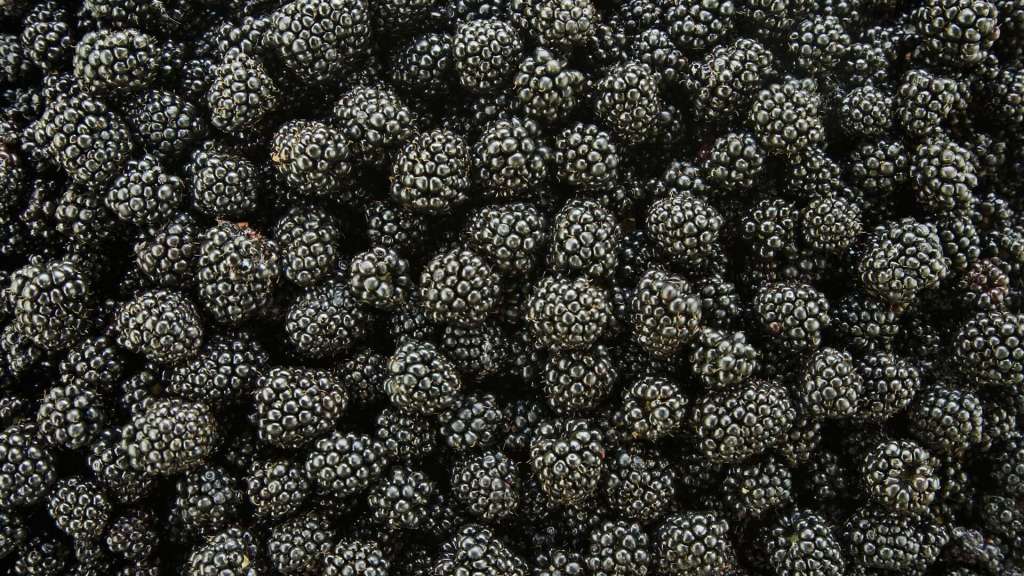
Growing blackberries can be a rewarding experience, as they are relatively easy to grow and can produce a bountiful harvest. Below is a comprehensive guide to help you get started.
Planting Blackberries
- Selecting the Site:
- Choose a location with full sun (at least 6-8 hours of sunlight per day).
- Ensure well-drained soil with a pH between 5.5 and 7.0.
- Space plants 3-4 feet apart in rows 6-8 feet apart.
- Preparing the Soil:
- Test the soil and amend if necessary to achieve the proper pH.
- Work in organic matter, such as compost, to improve soil fertility and drainage.
- Planting:
- Plant in early spring or late fall.
- Dig a hole large enough to accommodate the root system.
- Place the plant in the hole, spreading out the roots.
- Cover with soil, pressing firmly, and water thoroughly.
Growing Blackberries
- Watering:
- Keep the soil consistently moist but not waterlogged.
- Water deeply, especially during dry periods.
- Fertilizing:
- Apply a balanced fertilizer in early spring and again after harvest.
- Avoid over-fertilizing as this can lead to excessive vegetative growth.
- Pruning:
- Prune in late winter or early spring.
- Remove dead or weak canes and thin out the plant to allow for good air circulation.
- For trailing varieties, tip the canes to encourage lateral branching.
- Training:
- Use a trellis or support system for trailing and semi-erect varieties.
- Tie the canes to the support as they grow.
- Mulching:
- Apply a thick layer of mulch to conserve moisture and suppress weeds.
- Use organic materials like straw, pine needles, or wood chips.
Harvesting Blackberries
- When to Harvest:
- Blackberries are typically ready to harvest in mid to late summer.
- Berries are ripe when they are fully black and easily detach from the plant.
- How to Harvest:
- Gently pick the berries by hand, being careful not to crush them.
- Harvest frequently to ensure you collect the ripest berries.
- Post-Harvest Care:
- Handle berries gently to avoid bruising.
- Store in the refrigerator and use within a few days for best quality.
- Blackberries can also be frozen for longer storage.
Blackberries Growing Zone
Blackberries thrive in USDA hardiness zones 5 through 10, although some varieties can withstand temperatures down to zone 4.
Additional Tips
- Pest and Disease Management:
- Monitor for common pests like aphids, spider mites, and Japanese beetles.
- Practice good sanitation and remove any diseased plant material.
- Consider using organic pest control methods if necessary.
- Winter Care:
- In colder climates, protect plants with a layer of mulch or a row cover.
- Prune out any damaged canes in early spring.
Growing Blackberries FAQ
There are two main types of blackberries suitable for home gardens: erect and trailing. Erect varieties grow upright and usually don’t require trellising, while trailing varieties spread along the ground and need support. Popular varieties include ‘Navaho’ and ‘Apache’ for erect types, and ‘Boysenberry’ and ‘Marionberry’ for trailing types.
The best time to plant blackberries is in early spring, after the last frost has passed. In warmer climates, they can also be planted in late fall.
Erect blackberries generally do not need a trellis, but trailing varieties require support. Install a trellis system or use stakes and wires to keep the canes off the ground and facilitate easy harvesting.
Blackberries typically begin producing fruit in their second year of growth. Harvest season usually starts in late spring or early summer, depending on the variety and climate.
Yes, blackberries can be grown in large containers, but ensure the container is at least 5 gallons and has good drainage.
Blackberries can be propagated through tip layering, root cuttings, or using tissue-cultured plants. Tip layering involves bending a cane to the ground, burying the tip, and allowing it to root and form a new plant.
Sign up to get our FREE weekly emails
Gardening guides, tips, & videos delivered right to your inbox!


