Growing food indoors is an increasingly popular way to ensure a fresh supply of vegetables, herbs, and fruits regardless of the season or available outdoor space.
Whether you’re an apartment dweller or simply want to add a green touch to your kitchen, indoor gardening allows you to take control of your food supply, enjoy the benefits of homegrown produce, and practice a sustainable lifestyle.
Everything You Need to Start Growing Food Indoors
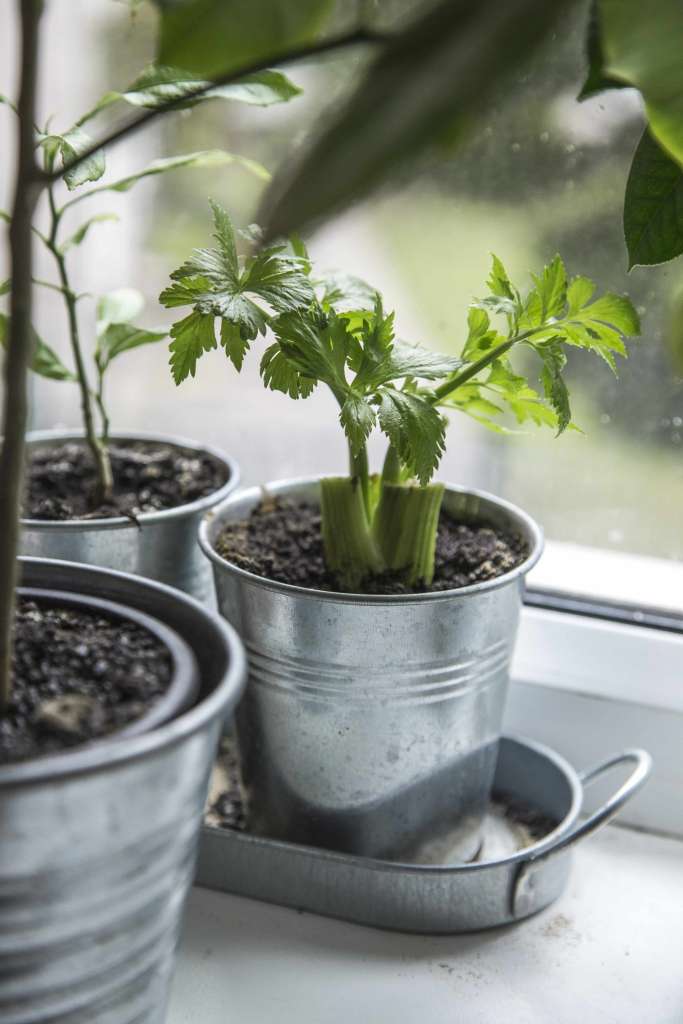
Below is everything you need to begin growing food indoors. Follow these steps to get started.
1. Selecting the Right Crops
Choosing the right plants is the first step toward successful indoor gardening. Not all plants are suitable for indoor conditions, but many varieties thrive with proper care.
Here are some of the best crops for indoor growing:
- Herbs: Basil, mint, parsley, cilantro, thyme, and rosemary are ideal for indoor gardens. They’re compact, easy to grow, and perfect for culinary use.
- Leafy Greens: Lettuce, spinach, arugula, and kale grow well indoors and provide a continuous harvest.
- Microgreens: Fast-growing and nutrient-dense, microgreens like radish, broccoli, and sunflower are perfect for indoor gardening.
- Vegetables: Cherry tomatoes, peppers, and radishes are popular choices for indoor vegetable gardening.
- Root Vegetables: Carrots and beets can be grown indoors if you have deep enough containers.
- Fruits: Small fruit plants like strawberries, dwarf citrus trees, and figs can also be grown indoors.
2. Setting Up Your Indoor Garden
Creating the ideal environment for your indoor garden is crucial for plant health and productivity. Consider the following factors:
- Lighting: Adequate lighting is the most important factor for indoor gardening. Most edible plants need 12-16 hours of light per day. South-facing windows provide the best natural light, but if your space lacks sufficient sunlight, consider using grow lights. LED grow lights are energy-efficient and effective for all stages of plant growth.
- Temperature: Most food crops thrive in temperatures between 65-75°F (18-24°C). Avoid placing plants near drafts, heaters, or air conditioning units that could cause temperature fluctuations.
- Humidity: Indoor environments, especially during winter, can be dry. Increase humidity levels around your plants by misting them regularly, using a humidity tray, or placing a small humidifier nearby. Herbs and leafy greens generally prefer higher humidity.
- Air Circulation: Good air circulation helps prevent mold, mildew, and pests. A small fan can help keep air moving around your plants, promoting healthy growth.
3. Choosing the Right Containers and Soil
Containers and soil quality play a significant role in the success of your indoor garden:
- Containers: Choose containers that are large enough to support the growth of your chosen plants. Ensure they have drainage holes to prevent waterlogging. Consider using self-watering containers to make watering easier and more consistent.
- Soil: Use high-quality potting soil that is light, well-draining, and rich in organic matter. Avoid garden soil, which can be too heavy and may introduce pests or diseases. For specific crops, you can tailor your soil mix, such as adding sand for root vegetables or perlite for better aeration.
4. Watering and Fertilization
Indoor plants rely on you for consistent watering and nutrients:
- Watering: Keep the soil evenly moist but not waterlogged. Overwatering can lead to root rot, while underwatering can stress the plants. The frequency of watering depends on the plant type, container size, and indoor climate. Check the soil moisture regularly by sticking your finger about an inch into the soil; if it feels dry, it’s time to water.
- Fertilization: Indoor plants need regular feeding, as nutrients in the soil can deplete quickly. Use a balanced liquid fertilizer every 2-4 weeks, depending on the plant’s needs. For leafy greens and herbs, a nitrogen-rich fertilizer is ideal, while fruiting plants benefit from a fertilizer higher in phosphorus and potassium.
5. Plant Care and Maintenance
Regular care and maintenance ensure that your indoor garden remains healthy and productive:
- Pruning: Prune plants regularly to encourage bushier growth and prevent them from becoming leggy. Remove dead or yellowing leaves to keep the plants healthy.
- Pest Control: Indoor plants can still attract pests like aphids, spider mites, and fungus gnats. Inspect your plants regularly and treat any infestations with insecticidal soap, neem oil, or natural predators like ladybugs.
- Support Structures: Some plants, like tomatoes and peppers, may need support as they grow. Use stakes, trellises, or cages to keep plants upright and prevent them from bending or breaking.
6. Pollination
While many indoor crops are self-pollinating, some may require assistance to bear fruit:
- Hand Pollination: For plants that need pollination, like tomatoes or peppers, you can use a small brush or gently shake the plants to help distribute pollen.
- Self-Pollinating Plants: Herbs, leafy greens, and most root vegetables do not require pollination and will grow just fine indoors without additional help.
7. Harvesting Your Indoor Crops
The best part of indoor gardening is the harvest! Here’s how to make the most of your indoor crops:
- Herbs: Harvest herbs by snipping off the leaves as needed. Regular harvesting encourages more growth.
- Leafy Greens: Use the “cut and come again” method by snipping outer leaves first, allowing the plant to continue growing and producing more leaves.
- Vegetables: Harvest vegetables like tomatoes and peppers when they’re fully ripe for the best flavor. Root vegetables should be pulled when they reach the desired size.
- Fruits: Pick fruits like strawberries when they are fully colored and fragrant. Citrus fruits can be harvested when they reach the desired size and flavor.
FAQ
Leafy greens like lettuce, spinach, and kale, as well as herbs like basil, mint, and parsley, are great for indoor gardening. You can also grow small fruits like cherry tomatoes and dwarf varieties of peppers.
Most indoor plants need bright, indirect sunlight for at least 6-8 hours a day. If natural light is insufficient, consider using LED grow lights that simulate the full spectrum of sunlight.
Yes, indoor gardening allows you to grow food year-round, regardless of the season. With proper lighting, temperature control, and care, your indoor garden can thrive even in the winter.
Regularly inspect your plants for pests and use natural remedies like neem oil or insecticidal soap. Keeping your plants healthy and the indoor environment clean can help prevent infestations.
Choose containers with good drainage to prevent waterlogging. You can use pots, trays, or even repurpose items like jars or buckets. Ensure the size is appropriate for the plant’s root system.
Watering frequency depends on the plant type, container size, and indoor conditions. Generally, water when the top inch of soil feels dry. Overwatering can lead to root rot, so it’s important to monitor moisture levels.
Use a high-quality potting mix designed for container plants. It should be light, well-draining, and rich in nutrients. Avoid using garden soil, which may not drain well in containers.
Tap water is usually fine, but if your water is high in chlorine or other chemicals, it’s better to let it sit out for 24 hours before using it, or use filtered water.
Many indoor plants prefer a humid environment. You can increase humidity by misting plants, placing a tray of water nearby, or using a humidifier.
Yes, you can grow root vegetables like carrots, radishes, and beets indoors. Use deep containers to accommodate their root systems and ensure they receive adequate light.
Absolutely! Hydroponics and aquaponics are popular soil-free methods for growing food indoors. These systems use water and nutrients to support plant growth and can be highly efficient.
Conclusion
Starting an indoor garden is a fulfilling way to grow your own food, improve your indoor environment, and connect with nature. By selecting the right crops, setting up a conducive environment, and providing consistent care, you can enjoy fresh, homegrown produce year-round.
Whether you’re a seasoned gardener or just starting out, indoor gardening offers endless possibilities for creativity and sustainability. Happy growing!