Imagine stepping outside into your garden, where the scent of freshly tilled soil fills the air and vibrant green leaves sway in the breeze. As a gardener, you’ve probably experimented with various fertilizers, but have you ever tried seaweed extract? If not, you’re missing out on one of the most natural and powerful ways to nourish your plants.
Seaweed extract, often touted as a garden miracle, is gaining widespread popularity—and for good reason. Packed with essential nutrients, trace elements, and growth hormones, it’s a natural powerhouse that helps your plants thrive. In this article, we’ll dive deep into the wonders of seaweed extract fertilizer, showing you how to use it effectively in your garden for lush, healthy plants.
What is Seaweed Extract?
At its core, seaweed extract is a liquid form of the natural compounds found in seaweed. Often derived from varieties such as Ascophyllum nodosum and Laminaria digitata, these seaweeds are harvested, processed, and concentrated to create an easy-to-apply plant supplement. Rich in essential minerals, amino acids, antioxidants, and growth-promoting hormones, seaweed extract has earned a reputation as one of the best natural plant foods available.
But what makes it so special? Seaweed extract doesn’t just provide basic nutrition like nitrogen or phosphorus. It offers a full spectrum of trace elements and growth hormones that improve soil health, boost plant immunity, and enhance root development. When applied correctly, it can lead to larger, more vibrant plants with better resistance to pests and diseases.
The Benefits of Seaweed Extract for Your Garden
1. Rich in Nutrients and Micronutrients
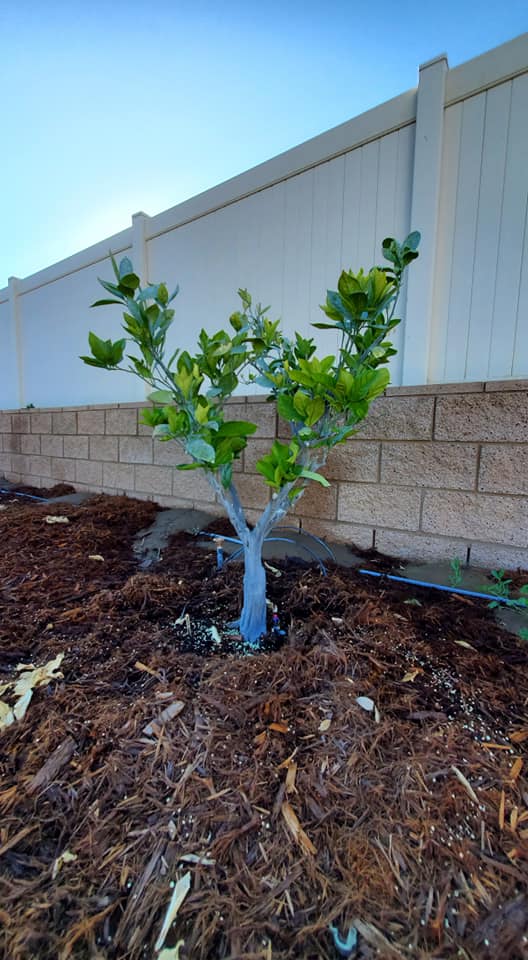
Seaweed extract is a nutritional treasure trove. Unlike synthetic fertilizers, which often lack micronutrients, seaweed is packed with over 70 minerals and trace elements that plants crave. These include magnesium, potassium, calcium, iron, and iodine, all of which help your plants grow stronger and healthier. By supplementing your soil with seaweed extract, you’re giving your garden a wide array of nutrients in one simple, natural form.
2. Promotes Root Development
One of the key benefits of seaweed extract is its ability to stimulate strong root growth. The hormones present in seaweed—like auxins, cytokinins, and gibberellins—play a vital role in promoting healthy root systems. This is especially important for young plants or transplants, which need robust roots to anchor themselves and absorb nutrients effectively.
3. Improves Soil Structure
Healthy soil is the backbone of any garden. Seaweed extract fertilizer works wonders by improving soil texture and structure. It encourages the growth of beneficial microbes, which in turn enhance nutrient cycling and soil aeration. Over time, this helps create a more balanced and fertile growing environment for your plants.
4. Boosts Plant Immunity and Stress Resistance
Plants face a variety of stresses: from drought to pests to extreme temperatures. Seaweed extract contains natural compounds like polysaccharides and phlorotannins, which help plants strengthen their immune systems and better tolerate environmental stressors. This means fewer diseases and pests and more robust plants all year round.
5. Enhanced Flowering and Fruiting
For gardeners looking to boost their harvest, seaweed extract is a fantastic choice. Its growth-promoting properties encourage healthier blooms and more fruitful plants. It can be especially beneficial for flowering vegetables like tomatoes, peppers, and cucumbers, as well as fruiting plants like strawberries and apples.
How to Use Seaweed Extract in Your Garden
1. Soil Drenching
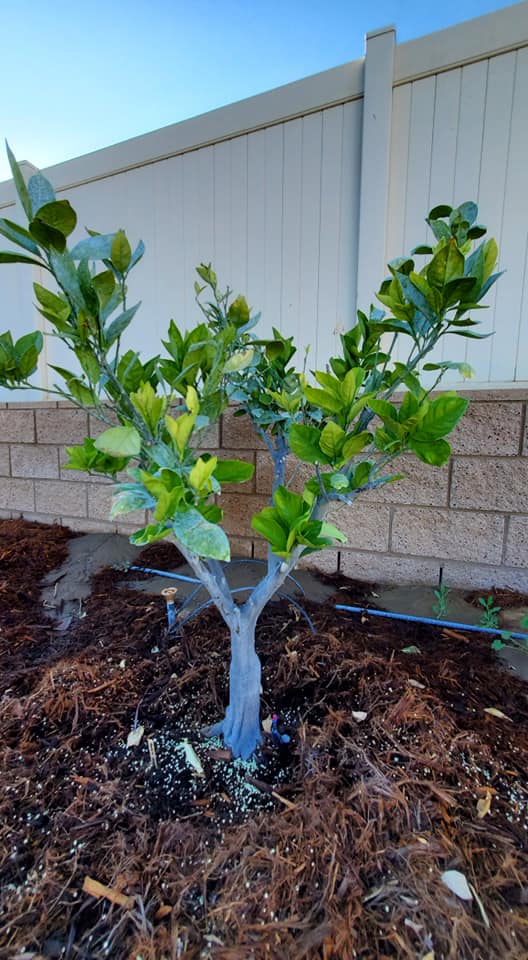
One of the simplest ways to apply seaweed extract fertilizer is by mixing it with water and applying it directly to the soil. Use a watering can or a hose-end sprayer for easy application. A soil drench is perfect for establishing a nutrient-rich foundation for plants, especially early in the growing season.
Tip: For best results, apply seaweed extract at the start of the growing season to kickstart plant growth. You can also reapply every 3-4 weeks during the growing season.
2. Foliar Feeding
For quick absorption, foliar feeding—spraying seaweed extract directly onto the leaves of your plants—is highly effective. The nutrients are absorbed through the leaf tissue, providing a fast nutrient boost. This is particularly useful for correcting nutrient deficiencies or giving your plants an extra boost before a big flowering or fruiting phase.
Tip: Always spray early in the morning or late in the evening to avoid the sun burning the leaves, which can happen if the plant absorbs the nutrients too quickly under direct sunlight.
3. Transplanting Aid
If you’re transplanting seedlings or new plants, a quick dip in diluted seaweed extract can help reduce transplant shock. The hormones in seaweed stimulate root growth, allowing plants to establish themselves more quickly in their new environment.
4. Compost Activator
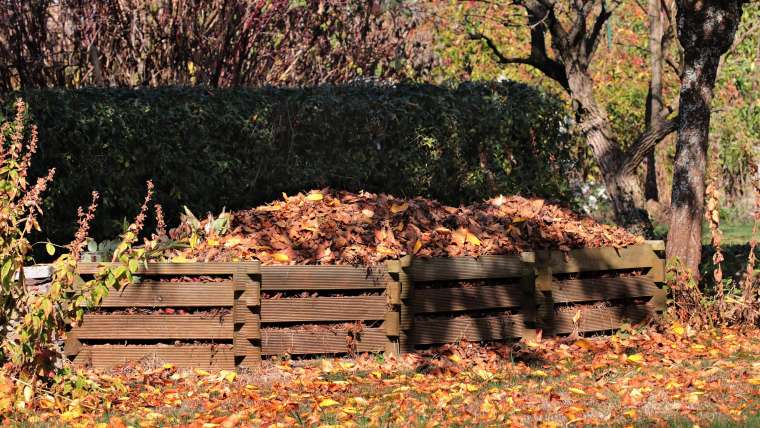
Adding seaweed extract to your compost pile can help speed up decomposition. The growth-promoting nutrients in seaweed extract activate microorganisms in the compost, ensuring that your compost matures faster and is rich in organic matter.
Common Mistakes to Avoid When Using Seaweed Extract
Even though seaweed extract is a safe and natural fertilizer, there are a few common mistakes that gardeners should avoid:
- Overuse – More isn’t always better. Using too much seaweed extract can lead to nutrient imbalances, especially if your soil is already rich in certain minerals. Stick to the recommended dilution ratios for optimal results.
- Applying During Hot Weather – Avoid applying seaweed extract during the hottest part of the day. The heat can cause the nutrients to evaporate quickly or burn the plant tissue. Early morning or late evening is the best time for application.
- Ignoring Soil Testing – While seaweed extract is a wonderful addition to your garden, it’s important to know your soil’s specific needs. Conducting a soil test can help you understand which nutrients are already abundant and which ones are lacking.
Frequently Asked Questions (FAQ)
Yes, seaweed extract is safe for most types of plants, including flowers, vegetables, fruits, and even trees. Its versatility makes it an excellent addition to any garden.
For the best results, apply seaweed extract every 3-4 weeks during the growing season. You can also apply it once at the beginning of the season to give your plants a strong start.
While seaweed extract itself is not a direct pest repellent, it helps plants become stronger and more resilient, making them better able to withstand pest damage. Additionally, some seaweed extracts contain natural compounds that may have mild pest-repellent properties.
Absolutely! Seaweed extract is a 100% organic product, making it perfect for gardeners who are committed to growing food and flowers without synthetic chemicals.
Yes, seaweed extract is generally safe for pets and children when used as directed. However, it’s always a good idea to keep it out of their reach, especially if the concentrate is in its undiluted form.
Conclusion: Embrace the Natural Power of Seaweed Extract
Seaweed extract is a natural, sustainable, and incredibly effective way to nurture your garden. Whether you’re looking to boost plant health, encourage more vibrant blooms, or enhance your soil’s structure, seaweed extract provides the nutrients your garden craves. The best part? It’s easy to use, affordable, and 100% organic, making it a win-win for both your plants and the environment.
If you’ve already tried seaweed extract, we’d love to hear about your experience! Drop a comment below and share how it’s transformed your garden. And if you want more gardening tips, don’t forget to sign up for our newsletter to get the latest updates right in your inbox!
Sign up to get our FREE weekly emails
Gardening guides, tips, & videos delivered right to your inbox!