
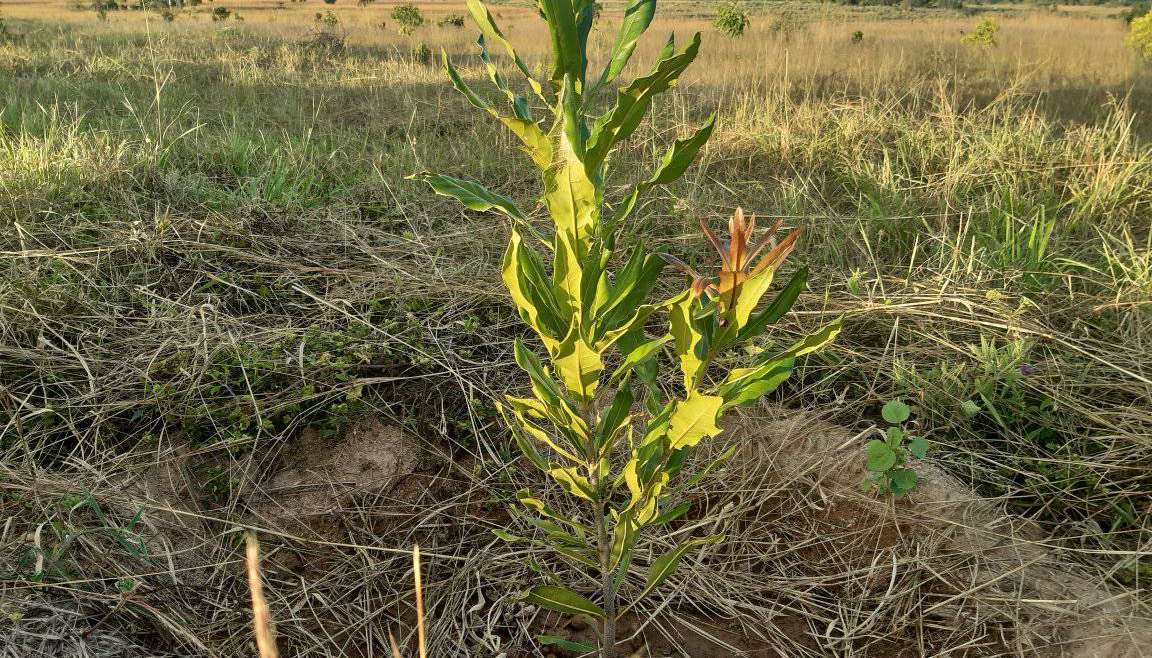
Imagine stepping into your backyard orchard on a warm spring morning—the sun’s gentle rays filter through glossy macadamia leaves, and the air is fragrant with the sweet scent of flowering herbs. Beneath the towering trees, vibrant plants buzz with life, weaving a natural tapestry that nurtures your macadamias without a hint of chemical intervention. This is the magic of companion planting.
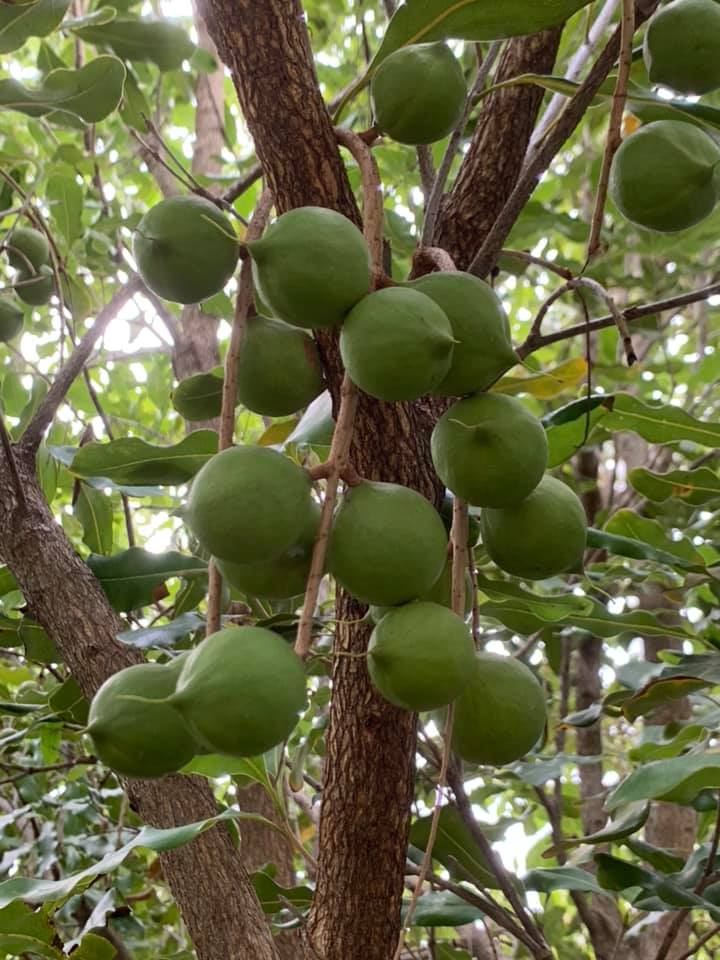
Macadamia trees, with their rich, buttery nuts, are a gardener’s delight but can sometimes be a bit fussy about their growing conditions. That’s where companion planting steps in, acting like a natural, green bodyguard and nutrient booster all in one. Whether you’re a seasoned orchardist or just starting your first macadamia grove, this guide will unlock the secrets to pairing your trees with the right plants for a healthier, more productive harvest.
What is Companion Planting and Why Does It Matter for Macadamias?
Companion planting is the age-old gardening practice of growing certain plants together because they benefit each other. For macadamia trees, the right companions can improve soil fertility, attract beneficial insects, suppress weeds, and even fend off pests and diseases.
The Macadamia’s Needs at a Glance
Macadamias thrive in well-drained, slightly acidic soils rich in organic matter. They prefer warm climates with ample rainfall or irrigation and need protection from strong winds and pests like macadamia nut borer and aphids.
Choosing the right companion plants creates a micro-ecosystem that supports these needs—think of it as giving your trees a wellness boost, naturally.
Best Companion Plants for Macadamia Trees: Nature’s Perfect Partners
1. Nitrogen-Fixers: Feed the Soil Naturally
Plants like clover, lupins, and legumes (e.g., beans and peas) are brilliant companions. These plants host beneficial bacteria in their root nodules that fix nitrogen from the air into the soil—essential for macadamia trees’ leafy growth and nut development.
Tip: Plant a nitrogen-fixing cover crop around your macadamias in early spring to enrich the soil before the heavy nut production season.
2. Herbs That Attract Beneficial Insects
Ever noticed how the fragrance of basil, rosemary, and lavender can fill a garden with life? These herbs do more than smell wonderful; they lure predatory insects like ladybugs and parasitic wasps that feast on pests harmful to macadamias.
Gardening insight: Interplant these herbs between your macadamia trees or in border beds. Not only do they repel unwanted bugs, but their blooms attract pollinators, enhancing nut set.
3. Marigolds: Pest Repellent Extraordinaire
Marigolds are the garden’s natural pest deterrent. Their pungent aroma confuses and wards off nematodes and root-eating insects that can damage young macadamia roots.
Quick advice: Plant marigolds at the base of your macadamia trees or along orchard pathways to create a protective barrier.
4. Comfrey and Dynamic Accumulators
Comfrey is a powerhouse plant whose deep roots pull up nutrients like potassium and calcium from the subsoil. These nutrients can then be recycled back into the surface soil as comfrey leaves decompose, feeding your macadamias.
How-to: Use comfrey leaves as mulch or in compost near your macadamia trees for a slow-release, organic fertilizer.
5. Mulching Crops: Keep Soil Moist and Cool
Low-growing plants such as strawberries or creeping thyme help shade the soil, reducing moisture loss and keeping roots cool—critical during the hot summer months.
Pro tip: These ground covers also suppress weeds that compete with macadamias for water and nutrients.
Step-by-Step Guide: Implementing Companion Planting for Macadamia Trees
- Soil Test First: Begin with a soil test to identify nutrient gaps and pH levels. This will help you choose the best companion plants tailored to your soil’s needs.
- Select Companions Wisely: Choose a mix of nitrogen fixers, pest-repelling herbs, and nutrient accumulators suited for your climate.
- Plan Your Layout: Alternate companion plants with macadamia trees in rows or interplant in orchard alleys to maximize benefits without overcrowding.
- Prepare the Soil: Incorporate organic matter and compost before planting. Companion plants like clover can also serve as living mulch.
- Plant and Maintain: Water regularly, especially in the first year. Prune companion plants to prevent shading macadamias excessively.
- Monitor and Adjust: Keep an eye on pest activity and soil health. Rotate or replace companion plants if certain pests persist or soil conditions shift.
Common Mistakes to Avoid
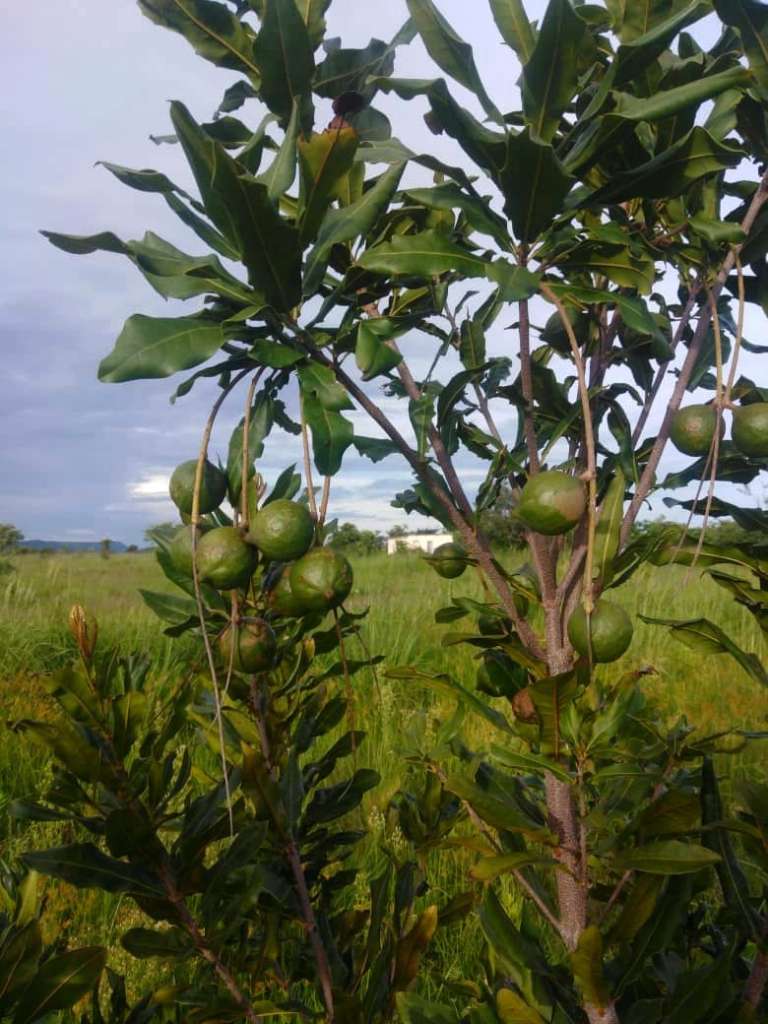
- Overcrowding: Macadamia trees need space to grow deep roots and spread branches. Plant companions with adequate spacing to prevent competition.
- Ignoring Soil Drainage: Companion plants that thrive in wet soils may harm macadamias if the soil stays soggy. Opt for drought-tolerant or well-drained plant companions.
- One-Size-Fits-All Approach: Every orchard is unique—soil, climate, and pests vary. Tailor your companion planting strategy accordingly.
FAQs About Companion Planting for Macadamia Trees
Yes! Many vegetables like beans and peas are great nitrogen-fixers. Just be mindful of space and ensure they don’t shade your trees.
It depends on the plant. Annuals like marigolds need replanting each year, while perennials like comfrey last longer. Rotate cover crops annually to maintain soil health.
While some plants may attract pests, companion planting generally balances the ecosystem by increasing beneficial insects that control harmful ones.
Absolutely. Many commercial growers integrate companion planting as part of sustainable farming practices to reduce chemical use and improve orchard resilience.
Conclusion: Ready to Cultivate a Thriving Macadamia Haven?
Companion planting isn’t just a gardening fad; it’s a tried-and-true way to nurture your macadamia trees with nature’s own toolkit. By selecting the right partners—nitrogen-fixing legumes, fragrant herbs, protective marigolds, and nutrient-boosting comfrey—you’re giving your orchard a lush, healthy foundation that’ll reward you with bountiful harvests year after year.
So, why not start planning your companion planting strategy today? Share your own experiences, questions, or favorite companion plants in the comments below — or sign up for our newsletter to get more expert gardening tips delivered straight to your inbox.
Happy growing!
Sign up to get our FREE weekly emails
Gardening guides, tips, & videos delivered right to your inbox!


