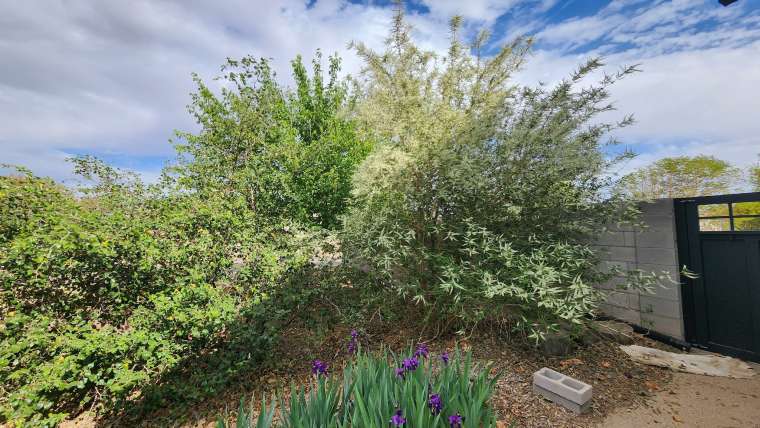
Imagine standing beneath a majestic walnut tree, its branches heavy with luscious nuts, the scent of rich, earthy soil mingling with the fragrant herbs growing at its base. You’re surrounded by a symphony of buzzing bees and fluttering butterflies, all thriving in this mini-ecosystem. But here’s a little secret many gardeners overlook: the right companion plants can transform your walnut tree’s health and productivity, making your garden bloom with life and resilience.
Walnut trees are notoriously tricky companions because they produce a chemical called juglone, which can be toxic to many plants nearby. But fear not! With a little know-how, you can pick perfect pals for your walnut tree that thrive alongside it, enriching the soil, repelling pests, and even improving the flavor of your walnuts. Let’s dig deep into the art and science of companion planting for walnut trees, so your garden flourishes naturally and beautifully.
Why Companion Planting Matters for Walnut Trees
The Challenge of Juglone
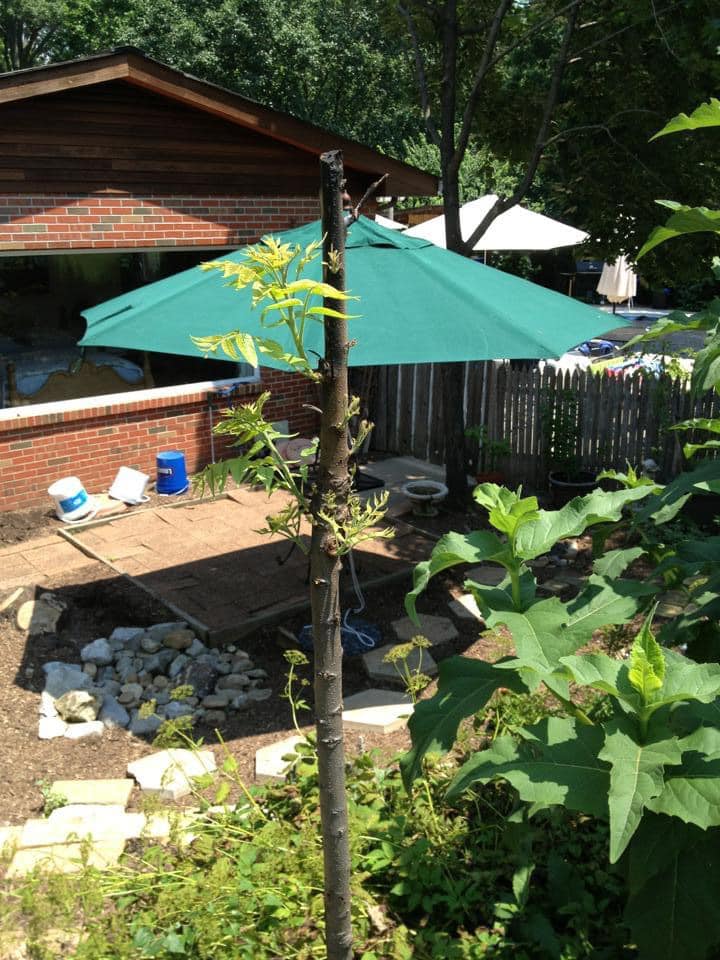
Walnut trees, especially black walnuts, produce juglone—a natural herbicide that inhibits or kills many plants’ roots within the tree’s root zone. This chemical defense protects the walnut but often frustrates gardeners who watch their beloved plants wither mysteriously.
Turning a Challenge into Opportunity
But companion planting isn’t about avoiding walnut trees; it’s about working with nature. Certain plants not only tolerate juglone but actually thrive in its presence. These botanical sidekicks can:
- Improve soil health by fixing nitrogen or attracting beneficial microbes
- Deter pests that might otherwise nibble on your walnuts or surrounding plants
- Provide ground cover to retain moisture and reduce weeds
- Add biodiversity for a healthier, balanced garden ecosystem
Best Companion Plants for Walnut Trees
1. Shade-Tolerant Ground Covers and Herbs
Under a walnut tree’s dense canopy, sunlight is often limited. Choose shade-loving companions that enrich the soil and perfume your garden.
- Comfrey: Deep roots break up compacted soil, while its leaves make excellent mulch. Plus, its bell-shaped flowers attract pollinators.
- Mint: The fresh, cool fragrance of mint masks pests and deters ants and aphids. Just plant mint in containers nearby; it can be aggressive!
- Garlic and Chives: Their pungent aroma keeps pesky insects away and they handle juglone well. Garlic also improves walnut tree resistance to diseases.
- Sweet Woodruff: A fragrant ground cover with delicate white flowers, it tolerates shade and adds a lovely texture beneath your walnut.
2. Nitrogen-Fixing Plants to Feed the Soil
Walnut trees, like all heavy feeders, benefit from companions that naturally add nitrogen to the soil.
- Clovers: White or red clover fixes nitrogen and provides a soft green carpet under the tree, improving soil moisture retention.
- Lupines: These showy purple-blue flowers add beauty while enriching the earth beneath the walnut.
- Beans and Peas: If you have sunny edges near your walnut, these legumes can boost nitrogen levels dramatically.
3. Pest-Repelling Flowers and Shrubs
To keep your walnut healthy and nutty, certain flowers and shrubs act as natural pest barriers.
- Marigolds: Known as the gardener’s friend, marigolds emit a scent that repels nematodes and some insect pests.
- Yarrow: This ferny perennial attracts ladybugs and predatory wasps, which keep aphid populations in check.
- Echinacea (Coneflower): A magnet for pollinators and beneficial insects, adding beauty and biodiversity.
How to Plant Companions Around Your Walnut Tree
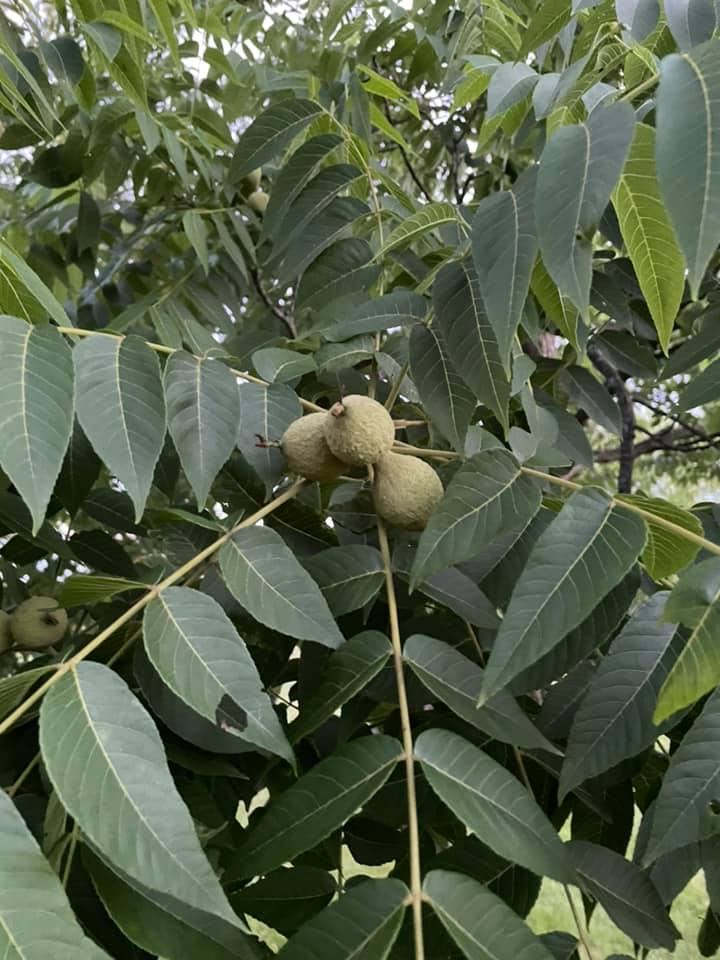
- Map Your Root Zone: The walnut’s root zone can extend well beyond the drip line, so plan your planting carefully to avoid digging into major roots.
- Prepare the Soil: Add organic compost around the tree base, avoiding piling too close to the trunk. Loosen the soil gently to help companions establish.
- Start with Shade-Tolerant Plants: Begin by planting hardy ground covers like comfrey and mint at the edges of the root zone.
- Add Nitrogen Fixers in Sunny Spots: Plant clovers and beans where there’s more light to boost soil fertility naturally.
- Incorporate Pest-Repelling Flowers: Scatter marigolds and yarrow throughout your garden for year-round protection.
- Water Wisely: Walnut trees prefer well-drained soil, so keep companions watered but avoid soggy conditions. Mulching helps retain moisture and suppress weeds.
- Observe & Adjust: Watch how your companions fare. Some plants might struggle initially but adjust over time as the ecosystem balances out.
Common Mistakes to Avoid in Walnut Tree Companion Planting
- Planting Juglone-Sensitive Plants: Tomatoes, potatoes, peppers, and azaleas can suffer or die near walnut trees.
- Crowding the Root Zone: Walnut roots are sensitive to disturbance; avoid heavy digging or planting deep-rooted species too close.
- Ignoring Seasonal Changes: Some companions may need relocation or extra care in winter or drought. Plan for seasonal shifts.
- Neglecting Soil Testing: Knowing your soil pH and nutrient status helps you select the best companion plants and amendments.
FAQs About Companion Planting for Walnut Trees
Most vegetables struggle with juglone toxicity, but leafy greens like kale and Swiss chard sometimes manage near walnuts. Stick to juglone-tolerant plants for best results.
Ideally, plant beyond the tree’s drip line (where the canopy ends) or in the outer root zone to reduce juglone exposure.
Yes! Healthier soil and fewer pests create ideal growing conditions, improving nut quality and yield over time.
Absolutely. Organic mulch retains moisture, moderates soil temperature, and adds nutrients as it breaks down.
Be cautious. Many fruit trees are juglone-sensitive, but some, like pawpaw, tolerate walnut trees well.
Conclusion: Embrace Nature’s Helpers for Your Walnut Tree Garden
Companion planting is more than a gardening technique—it’s a way to create harmony and resilience in your outdoor space. Walnut trees might seem intimidating, but with the right friends around, they’ll flourish like never before. Why not try planting a patch of comfrey, sprinkle some marigolds, or sow a carpet of clover this season?
Have you experimented with companion plants near your walnut tree? I’d love to hear your stories or questions in the comments below! Don’t forget to subscribe to our newsletter for monthly gardening tips that bring your outdoor dreams to life.
Sign up to get our FREE weekly emails
Gardening guides, tips, & videos delivered right to your inbox!