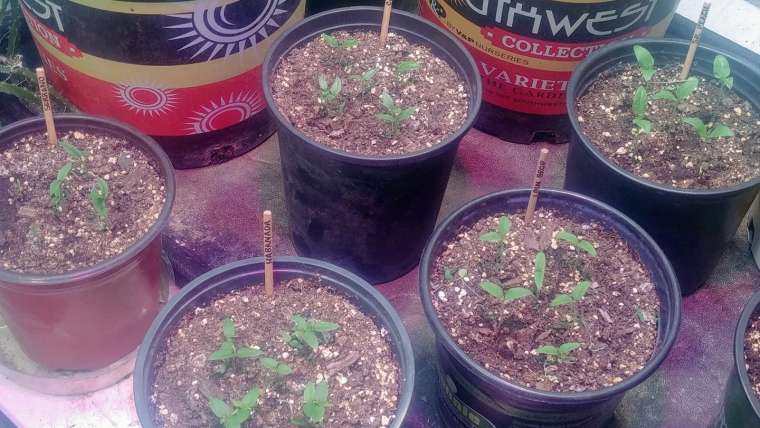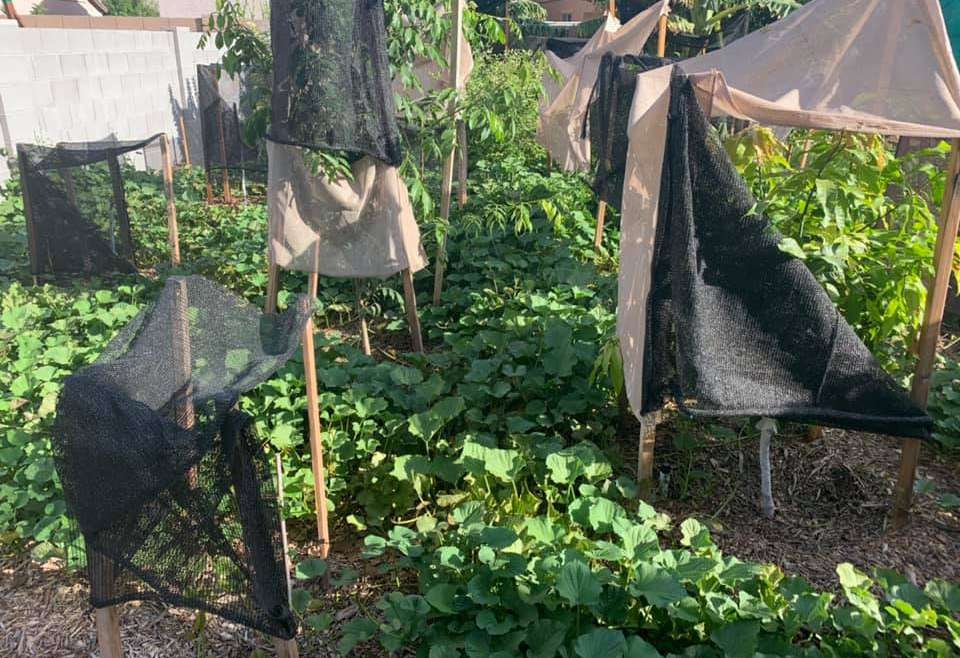
Companion planting is one of the oldest and most effective gardening strategies used to improve plant health, increase yields, and even reduce pest problems. As more gardeners discover the benefits of this natural approach, sweet potatoes have become a popular crop to grow alongside beneficial plants. Not only do the right companions improve the growth of sweet potatoes, but they can also enhance the overall health of your garden.
In this guide, we’ll delve into why companion planting for sweet potatoes is a great idea, the best companion plants to pair with them, plants to avoid, and essential tips to maximize your harvest.
Why You Should Consider Companion Planting for Sweet Potatoes
Sweet potatoes are a nutrient-dense and hearty root vegetable that thrives in warm climates, typically requiring full sun and a long growing season. Their sprawling vines can cover a lot of ground, and this makes them an excellent candidate for companion planting. When paired correctly, companion plants can help sweet potatoes in several ways:
- Pest Control: Some companion plants naturally repel pests that commonly target sweet potatoes, such as aphids, beetles, and weevils. By planting these nearby, you can reduce the need for chemical pesticides.
- Improved Soil Health: Certain plants can enhance the soil by adding beneficial nutrients, such as nitrogen, which sweet potatoes can absorb for improved growth. Companion planting can contribute to a more sustainable gardening ecosystem.
- Maximized Space: Sweet potatoes need plenty of space to spread, so companion plants can be used strategically to fill empty spaces without competing for resources, ensuring you get the most out of your garden space.
- Increased Pollination: Flowers that attract pollinators like bees and butterflies can benefit your sweet potato crop by improving pollination rates and ultimately the yield of your garden.
Now that we understand why companion planting is beneficial for sweet potatoes, let’s dive into the best plants to grow alongside them.
Best Companion Plants for Sweet Potatoes
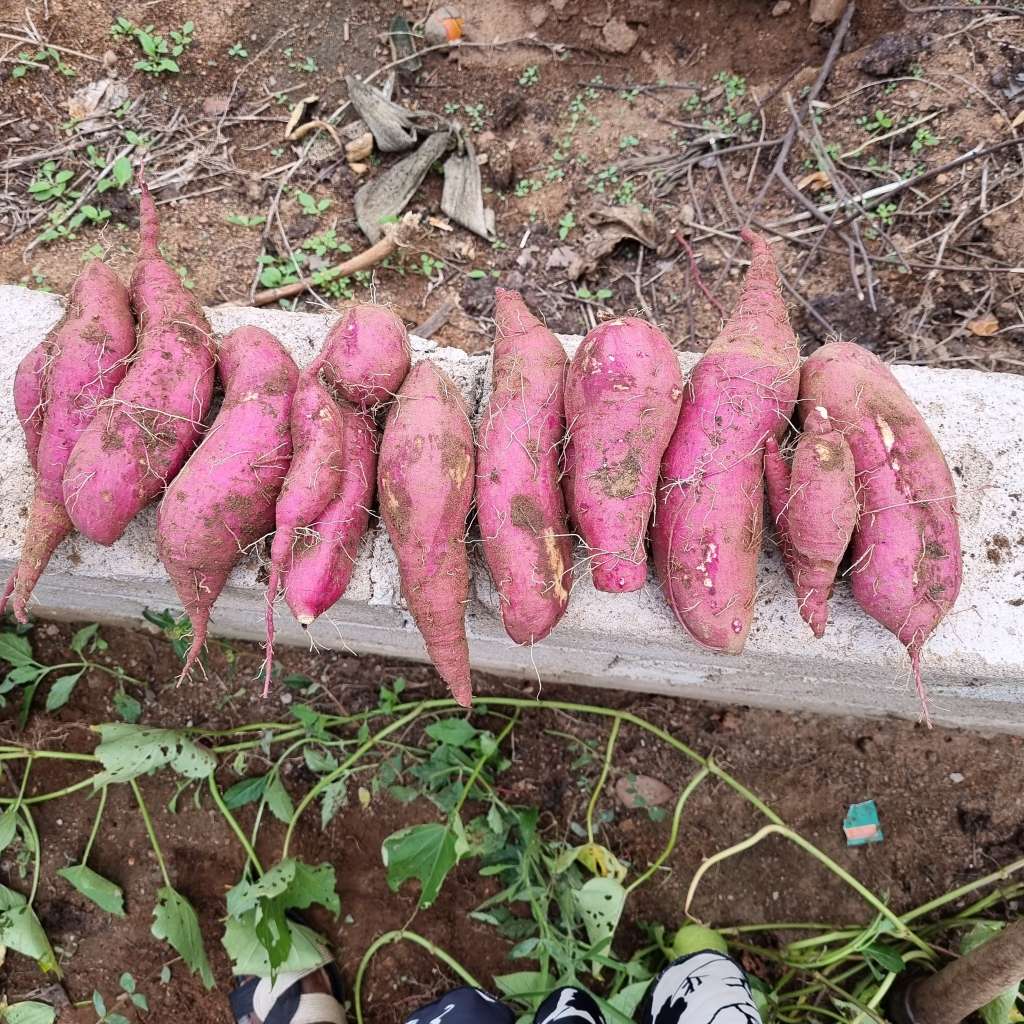
When choosing companion plants for sweet potatoes, it’s essential to select varieties that support each other’s growth. Here are some of the best companion plants for sweet potatoes:
1. Beans (Beans and Legumes)
Beans are a classic companion plant for sweet potatoes, and for a good reason. Beans are nitrogen fixers, meaning they improve soil fertility by converting atmospheric nitrogen into a form plants can use. This can significantly benefit sweet potatoes, which require a lot of nitrogen to grow. The beans’ vines can also help shade and protect the sweet potato plants from the harsh midday sun, which is especially useful in regions with intense heat.
2. Corn
Corn is another excellent companion for sweet potatoes, especially in the “Three Sisters” gardening tradition. Corn provides vertical structure, offering support for climbing plants such as beans. The tall corn stalks also act as a natural windbreak, which helps protect sweet potatoes from gusts that could damage the delicate vines.
3. Marigolds
Marigolds are well-known for their ability to repel pests, including aphids, nematodes, and beetles. By planting marigolds around your sweet potatoes, you create a natural barrier against these common pests, reducing the need for chemical pesticides. Additionally, marigolds attract pollinators like bees, which can help improve sweet potato yield.
4. Radishes
Radishes are a fantastic companion for sweet potatoes, as they grow quickly and don’t compete with the slow-growing sweet potatoes. Radishes can help break up compacted soil, improving the root system for sweet potatoes. Their quick growth also provides some shade for the soil, keeping it cool and preventing weeds from taking over.
5. Squash
Squash and sweet potatoes make excellent companions due to their similar growing conditions. Both thrive in warm, sunny conditions, and squash plants’ large leaves can help shade the soil, keeping moisture in and reducing weed growth. The sprawling nature of squash also complements the vines of sweet potatoes, effectively covering the ground and creating a lush, low-maintenance garden.
6. Thyme
Thyme is a low-growing herb that doesn’t compete with sweet potatoes for space. Its strong aroma can deter pests such as aphids and whiteflies, which can be a problem for sweet potatoes. Thyme also attracts beneficial insects like predatory wasps and ladybugs, which help keep pest populations in check.
Plants to Avoid Planting Near Sweet Potatoes
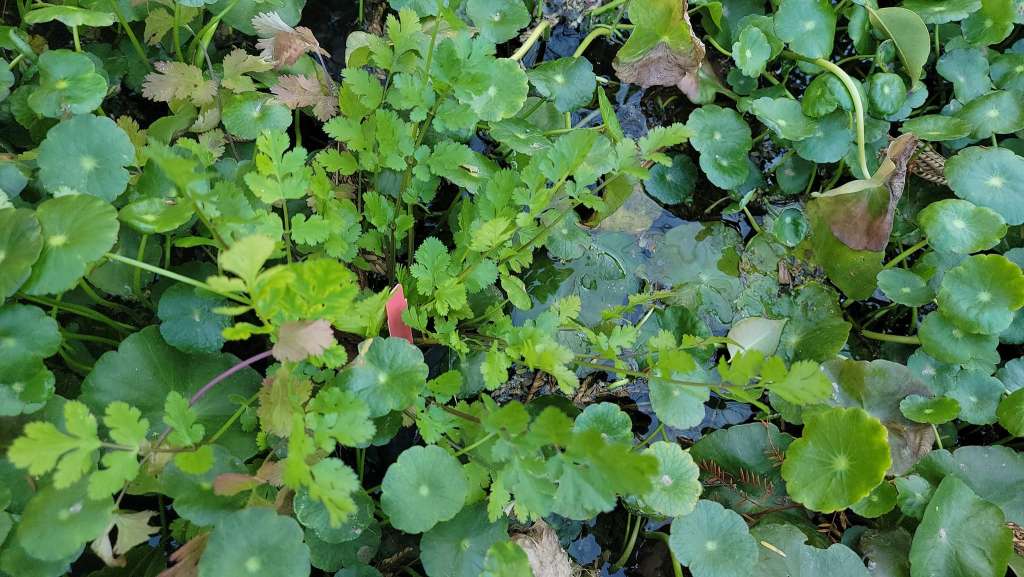
While companion planting can be highly beneficial, there are also certain plants that should be avoided when growing sweet potatoes. These plants may compete for nutrients, attract pests, or inhibit sweet potato growth. Here are some plants to steer clear of:
1. Potatoes
Although sweet potatoes and regular potatoes belong to the same family, they don’t make good companions. Growing these two together can increase the likelihood of diseases like blight or the spread of pests like aphids and potato beetles. It’s best to keep these crops separate in your garden to minimize the risk of disease.
2. Cabbage Family (Cabbage, Kale, Broccoli)
The cabbage family, also known as Brassicas, can be detrimental to sweet potatoes. These plants are heavy feeders and can deplete the soil of nutrients that sweet potatoes rely on. Additionally, cabbage family plants attract pests like caterpillars and aphids, which may end up targeting your sweet potatoes.
3. Sunflowers
Although sunflowers are beautiful, they can pose a challenge for sweet potatoes. Sunflowers can overshadow sweet potato plants, blocking the sunlight they need to thrive. The deep roots of sunflowers can also compete with sweet potatoes for space and water.
4. Sweet Peas
While sweet peas might seem like a natural companion due to their climbing nature, they can compete with sweet potatoes for nutrients and space. Their growing habits may also limit air circulation, leading to a higher risk of fungal diseases, which can harm both crops.
5. Fennel
Fennel is known to be a poor companion for many plants, and sweet potatoes are no exception. Fennel can release allelopathic chemicals that inhibit the growth of nearby plants, including sweet potatoes. It’s best to avoid planting fennel near sweet potatoes to ensure both crops have enough room to flourish.
Tips for Growing Companion Plants with Sweet Potatoes
Successfully growing companion plants with sweet potatoes requires careful planning and consideration. Here are some tips to help you get the most out of your companion planting strategy:
1. Consider Growth Habits
Sweet potatoes need ample space to spread their vines. When selecting companion plants, consider the growth habits of both the sweet potatoes and the companions. Avoid overcrowding by leaving enough space for sweet potatoes to sprawl while allowing companion plants to grow without competition.
2. Plant for Pest Control
If you’re looking to keep pests away from your sweet potatoes, choose companion plants like marigolds, basil, or garlic. These plants naturally repel harmful insects, reducing the need for chemical pesticides and creating a healthier, more sustainable garden.
3. Pay Attention to Watering Needs
Sweet potatoes prefer consistent moisture, especially during the early growth stages. Ensure that your companion plants have similar watering needs, or consider using mulch to retain moisture and reduce competition for water.
4. Maximize Vertical Space
If you have limited space in your garden, make use of vertical planting. Corn can provide support for beans, and other climbing plants can take advantage of the vertical growth, allowing you to grow more crops in the same area without overcrowding.
5. Monitor Soil Health
As with any garden, maintaining healthy soil is essential for successful companion planting. Regularly check the soil for nutrients and amend it with compost or organic matter to keep it rich and fertile. Healthy soil will benefit both your sweet potatoes and their companions.
Conclusion: Make the Most of Your Sweet Potato Garden
Companion planting is a powerful tool that can enhance the growth and yield of your sweet potatoes while reducing pests and improving soil health. By selecting the right companion plants, you can create a thriving, sustainable garden that benefits all your crops. Beans, marigolds, and squash are just a few examples of the many beneficial companions that can help sweet potatoes flourish.
By avoiding plants that compete for resources or attract pests, and implementing tips for successful companion planting, you’ll be on your way to a bumper sweet potato harvest.
Ready to dive into companion planting for sweet potatoes? Start by selecting your companions and watch your garden grow healthier and more productive than ever before. Happy gardening!
Sign up to get our FREE weekly emails
Gardening guides, tips, & videos delivered right to your inbox!