
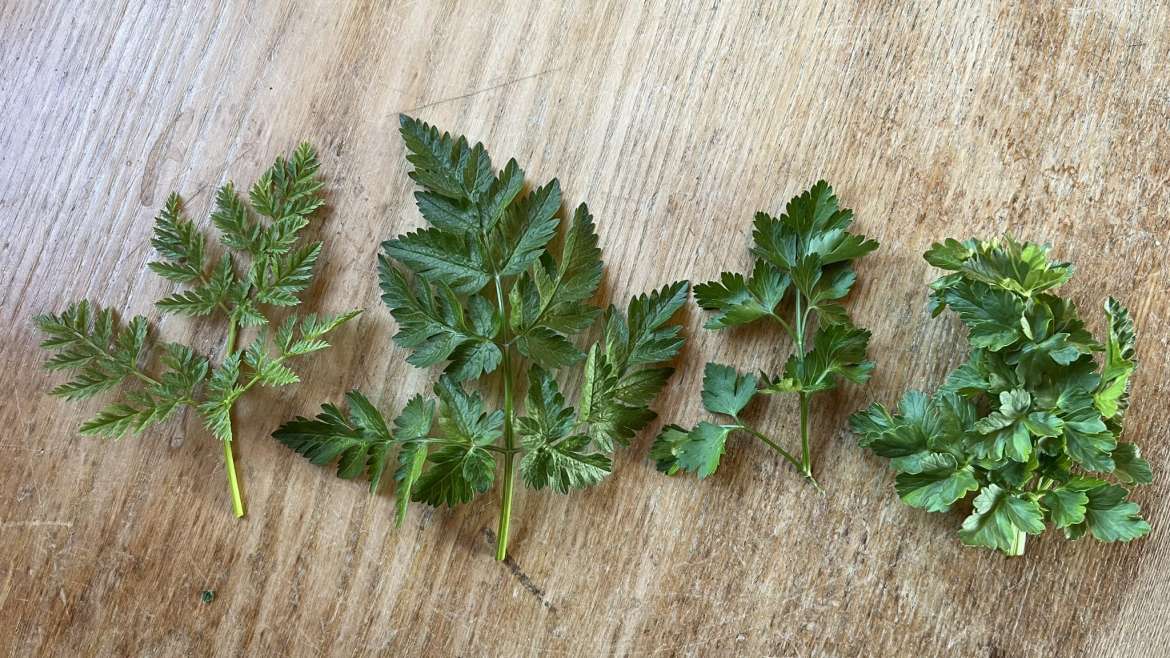
Companion planting is a gardening technique where different plant species are grown in close proximity to one another in order to enhance their growth, protect them from pests, and improve overall garden health. The practice is based on the understanding that some plants benefit from being close to one another, while others may hinder growth or attract pests that can damage nearby plants.
For gardeners looking to optimize their space and encourage a healthier, more productive garden, companion planting can be an invaluable tool. In this post, we’ll explore the concept of companion planting specifically for parsley, a versatile herb commonly used in cooking.
We’ll discuss why you should consider companion planting for parsley, the best companion plants for parsley, the plants to avoid planting near parsley, and tips for growing companion plants effectively.
Why You Should Consider Companion Planting for Parsley
Parsley (Petroselinum crispum) is a biennial herb most often grown as an annual, known for its vibrant green foliage and delicate flavor. Whether you grow it in a garden bed, a container, or a window box, parsley can thrive in many conditions. However, like many herbs, it can be susceptible to pests, diseases, and poor growth if not given the right environment. Companion planting offers a solution to these problems by helping parsley grow stronger, healthier, and more productive.
When planted with the right companions, parsley can benefit in several ways:
- Pest Control: Certain companion plants can help deter common pests that target parsley, such as aphids, carrot flies, and parsley worms.
- Improved Growth: Some plants can improve soil health by fixing nitrogen, enhancing the nutrients available to parsley and other plants.
- Natural Pollination: Flowers that attract beneficial pollinators, such as bees and butterflies, can improve parsley’s ability to set seed and thrive.
- Space Maximization: Companion planting allows you to make the most of your available garden space by planting compatible species together.
By carefully selecting the right companion plants for parsley, you can foster a harmonious garden ecosystem that benefits both your parsley and your other plants.
Best Companion Plants for Parsley
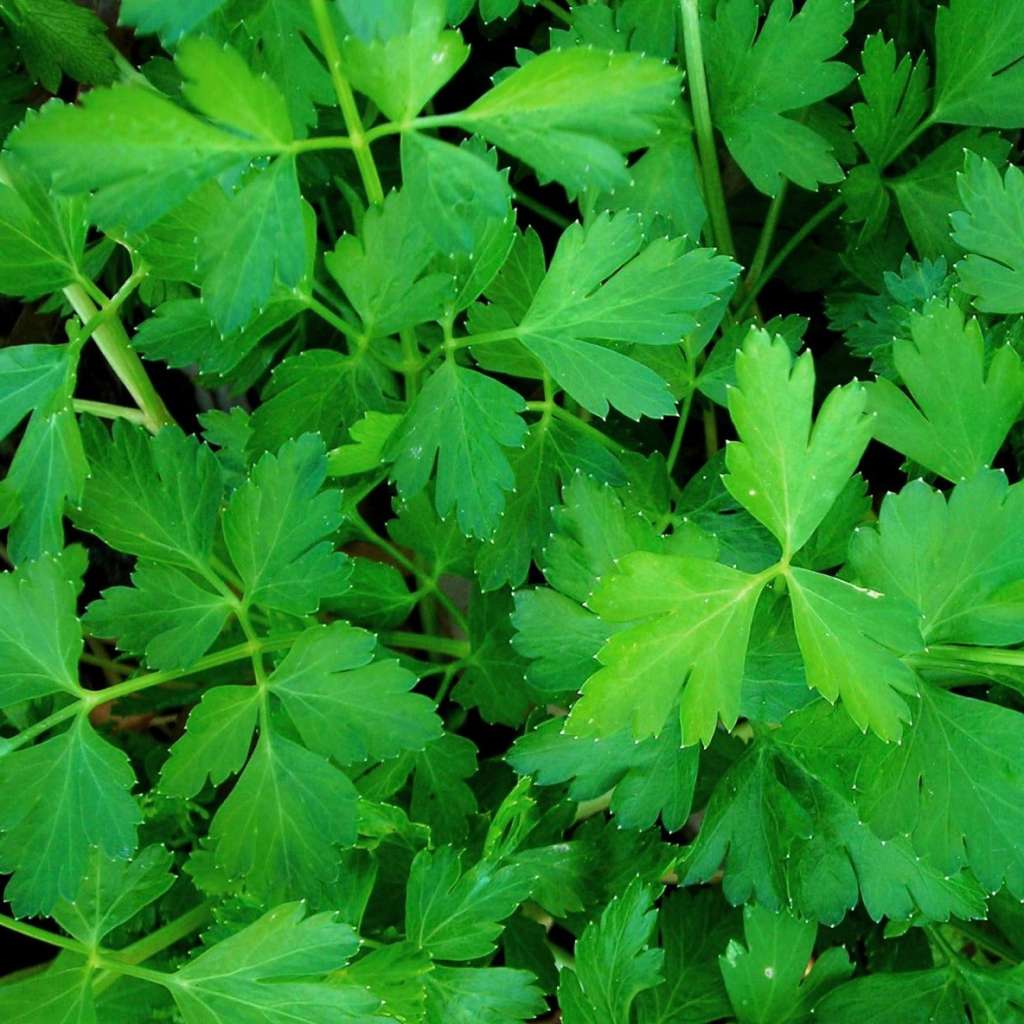
When selecting companion plants for parsley, it’s essential to consider the growing habits and needs of both plants. The best companions for parsley should either enhance its growth, help protect it from pests, or improve the overall soil environment. Here are some of the best companion plants for parsley:
1. Tomatoes
Tomatoes and parsley have a mutually beneficial relationship. Parsley can act as a natural pest repellent for tomatoes, especially for tomato hornworms and aphids. Additionally, the deep roots of parsley help improve the soil structure around tomato plants, allowing them to grow more vigorously. Growing them together can create a thriving environment for both plants.
2. Chives
Chives are a fantastic companion for parsley, as they help repel pests such as aphids and fungal diseases. Both herbs share similar growing conditions, thriving in full sun and well-drained, fertile soil. Chives can also add a mild onion flavor to dishes, complementing parsley in culinary uses.
3. Carrots
Carrots and parsley share a beneficial relationship. Parsley can act as a deterrent to carrot flies, which are known to damage carrot plants by laying eggs near their roots. Parsley’s strong aroma confuses the pests and keeps them away. Additionally, the fine roots of parsley can improve soil texture for carrots, making it easier for them to grow and develop.
4. Rosemary
Rosemary is another herb that pairs well with parsley in the garden. It has a strong scent that repels a range of pests, including aphids and cabbage moths, which can damage parsley and other plants. The rosemary plant itself benefits from being near parsley, as the two herbs share similar water and sunlight requirements.
5. Basil
Basil, like parsley, is a popular herb in cooking and has several benefits when planted near parsley. It helps to repel flies and mosquitoes, keeping pest pressure down. Additionally, basil enhances the flavor of parsley in culinary dishes, making them a great combination in the kitchen as well as the garden.
6. Beans
Beans are an excellent companion plant for parsley because they help fix nitrogen in the soil, which benefits parsley’s growth. Beans and parsley have compatible growing conditions, as they both prefer slightly acidic, well-drained soil and full sun. Beans also act as a natural trellis for parsley, supporting its growth by providing shade on hotter days.
Plants to Avoid Planting Near Parsley
While companion planting can be highly beneficial, it’s equally important to know which plants can negatively impact parsley’s growth. Some plants release chemicals that inhibit parsley’s growth or attract pests that can damage the herb. Here are some plants to avoid planting near parsley:
1. Carrots (When Grown Too Close)
While parsley and carrots can be good companions when spaced appropriately, planting them too closely together may lead to competition for space and nutrients. Carrots need plenty of room to grow their long taproots, and if parsley is planted too close, it may inhibit carrot growth. It’s important to provide enough space between these two plants to ensure they both thrive.
2. Fennel
Fennel is known for its allelopathic properties, meaning it releases chemicals that can inhibit the growth of other plants nearby. Parsley is one of the plants that can be negatively affected by fennel. The compounds released by fennel can stunt parsley’s growth, making it a poor companion plant. Avoid planting fennel near parsley or any other herbs in the same bed.
3. Coriander (Cilantro)
Coriander, or cilantro, is another herb to avoid planting near parsley. Both plants have similar growth habits and requirements, but they don’t play well together in the same bed. Coriander tends to attract pests that can also affect parsley, such as aphids, which can harm the parsley plant. Additionally, coriander’s strong aroma may interfere with parsley’s growth and flavor.
4. Garlic
Garlic, while beneficial in many gardens due to its pest-repellent properties, can also be a poor companion for parsley. Garlic can stunt parsley’s growth and may even interfere with its ability to absorb nutrients from the soil. It is better to plant garlic away from parsley to avoid these negative interactions.
Tips for Growing Companion Plants with Parsley
To ensure that your companion plants thrive alongside parsley, there are a few key tips to keep in mind. These will help you maximize the benefits of companion planting and promote a healthy, productive garden.
1. Plan Your Garden Layout
When planting parsley with companion plants, consider the size, spread, and growth habits of all the plants involved. For example, tall plants like tomatoes or beans can shade smaller plants like parsley, which can help protect it from the heat of the afternoon sun. Be mindful of spacing to avoid overcrowding and ensure that each plant has room to grow.
2. Consider Growth Stages
Different companion plants will be at different growth stages throughout the season. Make sure that your parsley and its companions don’t interfere with each other’s development. For instance, you might want to plant taller crops like tomatoes or beans early in the season, so they are established before parsley starts to grow more vigorously.
3. Maintain Soil Fertility
To maximize the benefits of companion planting, be sure to maintain soil fertility with compost or organic matter. Plants like beans, which fix nitrogen in the soil, will contribute to the overall health of your garden, helping your parsley and other companions thrive. Rotate crops periodically to avoid depleting the soil of essential nutrients.
4. Watering Considerations
Parsley prefers moderate watering, and some companion plants, like beans, may also have specific watering needs. Be mindful of the water requirements of your companion plants to avoid overwatering or underwatering. A drip irrigation system or soaker hoses can be helpful for evenly distributing water to all plants.
5. Observe and Adapt
One of the most important aspects of companion planting is observation. Pay attention to how the plants are interacting in your garden and make adjustments as necessary. If you notice that a certain companion is causing issues with your parsley, don’t hesitate to move it to a different spot.
Conclusion
Companion planting is a wonderful way to improve the health and productivity of your garden, especially when growing parsley. By choosing the right companions, you can enhance parsley’s growth, protect it from pests, and improve overall soil health.
However, it’s equally important to be aware of which plants can hinder parsley’s growth, and take care to avoid planting them nearby. With a little planning and attention to detail, companion planting can make your parsley and other garden plants thrive, giving you a bountiful harvest and a healthy garden ecosystem.
Sign up to get our FREE weekly emails
Gardening guides, tips, & videos delivered right to your inbox!


