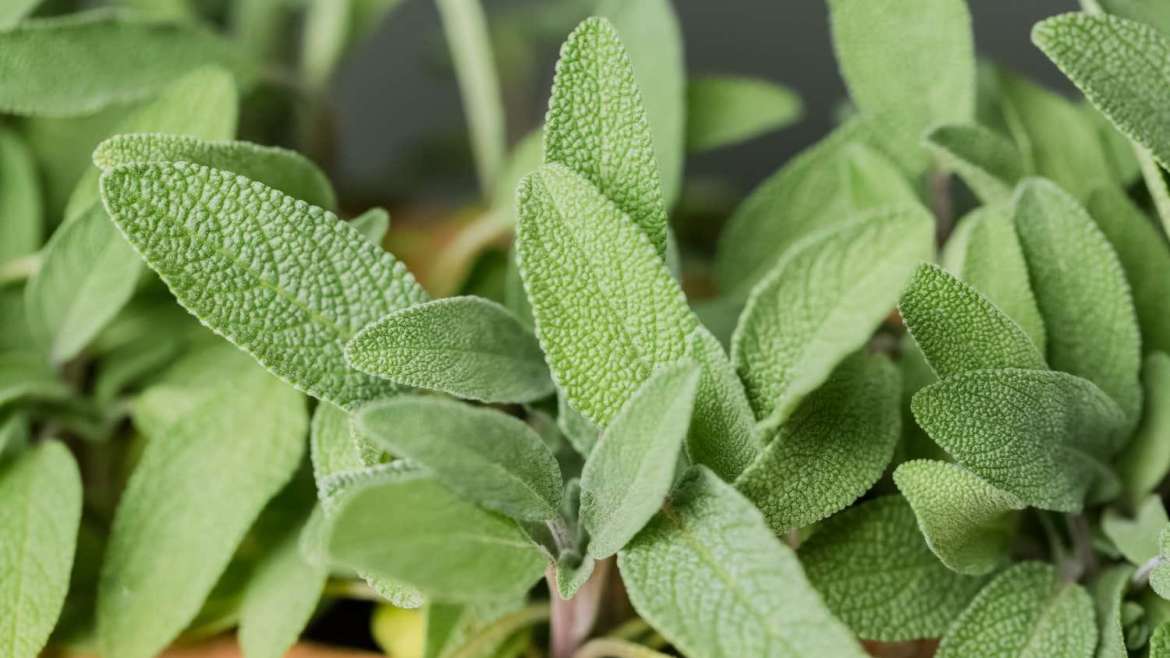
Sage is such a hardy herb commonly used in both culinary dishes and traditional medicine. Known for its strong aroma and earthy flavor, sage is a favorite in many herb gardens. It thrives in well-drained soil and a sunny location, making it an easy herb to grow for gardeners of all experience levels.
However, to get the best results in terms of growth, flavor, and overall health, it’s essential to consider what other plants are nearby. Companion planting, the practice of growing certain plants together for mutual benefit, can significantly improve the growth and health of sage.
In this post, we’ll explore the importance of companion planting for sage, recommend the best companion plants, discuss which plants to avoid, and offer tips for successfully growing companion plants alongside sage.
Why You Should Consider Companion Planting for Sage
Companion planting is more than just a gardening trend—it’s a practice that helps optimize the growth conditions for different plants. When it comes to sage, companion planting can provide numerous benefits, including pest control, improved soil health, and enhanced flavor profiles.
- Pest Control: Sage is known to deter many pests, such as cabbage moths, beetles, and certain types of aphids. When planted near certain vegetables or herbs, sage can protect them from these unwanted invaders. Additionally, some plants, like marigolds and garlic, can repel pests that might otherwise harm sage.
- Improved Soil Health: Sage prefers slightly alkaline soil with good drainage. By pairing it with certain companion plants that share similar soil preferences, you can create a more balanced growing environment. Some companion plants also help fix nitrogen in the soil, which can be beneficial to sage.
- Enhancing Flavor and Growth: Companion plants can help improve the flavor of your sage or encourage its growth. For instance, certain plants can help increase the essential oil content of sage, making it more aromatic and flavorful. Furthermore, companion planting can encourage healthy root development and strong plant structure.
- Maximizing Space: Companion planting allows you to make the most out of your garden space. By pairing plants that grow well together, you can create a more efficient garden layout and optimize sunlight, water, and soil resources.
Best Companion Plants for Sage
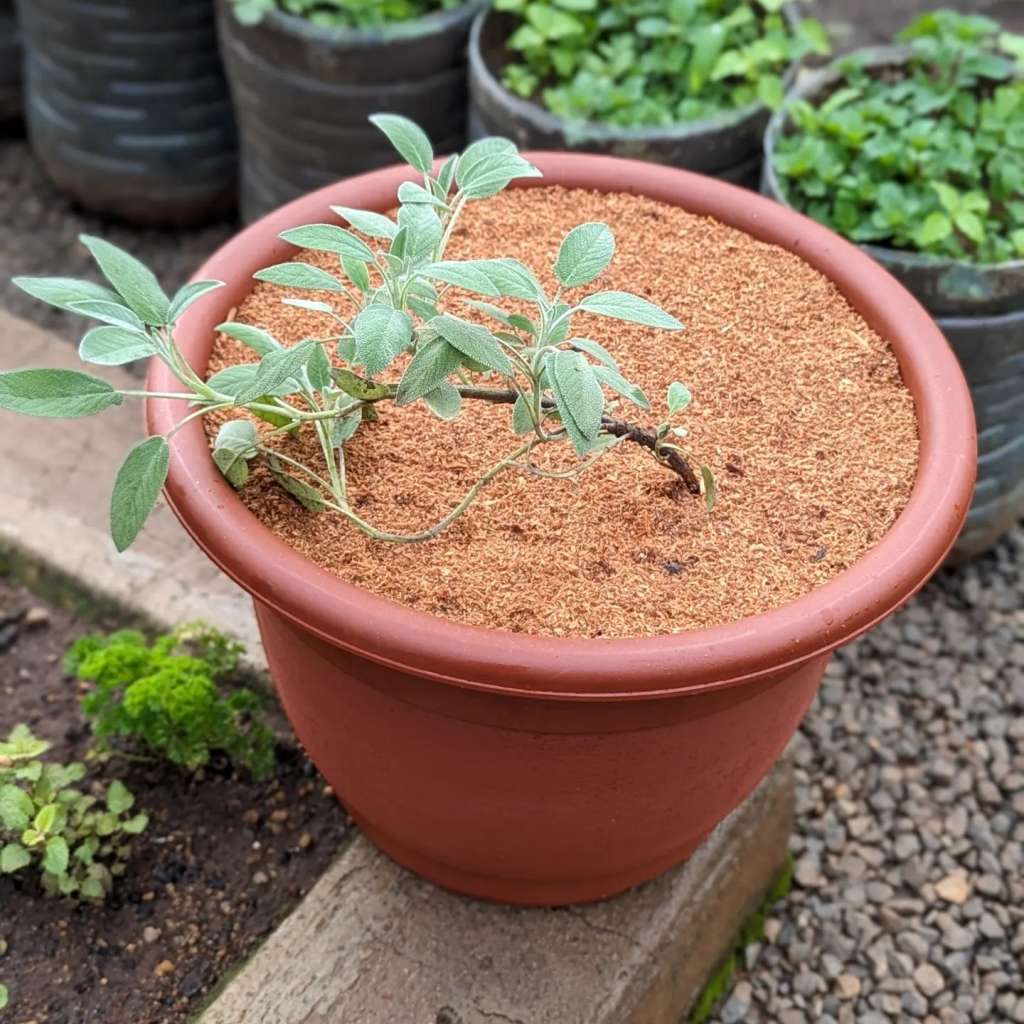
When choosing companion plants for sage, it’s important to consider factors like sunlight, soil conditions, water requirements, and the plants’ ability to benefit each other. Below are some of the best companion plants for sage:
1. Thyme
Thyme and sage are both Mediterranean herbs that have similar growing conditions and share similar care needs. Both thrive in full sun and well-drained, slightly alkaline soil. These herbs are excellent companions because they have complementary growth habits and will not compete for space. Additionally, thyme helps to attract beneficial insects that can further protect your sage plants from pests.
2. Rosemary
Rosemary is another Mediterranean herb that pairs well with sage. Both rosemary and sage prefer dry, well-drained soil and plenty of sunlight. They are drought-tolerant, which means they require minimal watering once established. Growing these two herbs together creates a hardy, low-maintenance pairing that is ideal for a dry, sunny garden. Moreover, rosemary’s strong aroma can help repel pests that might otherwise target sage.
3. Cabbage and Kale
Sage’s ability to repel certain pests makes it a great companion for brassicas like cabbage, kale, and broccoli. These plants are susceptible to pest damage, particularly from cabbage moths and aphids, which sage can deter. When planted near sage, cabbage and kale are less likely to suffer from pest infestations, and in turn, they do not compete for the same nutrients or space.
4. Marigolds
Marigolds are known for their pest-repelling properties, particularly when it comes to nematodes and aphids. These vibrant flowers can provide a protective border around your sage plants, helping to shield them from potential threats. Additionally, marigolds attract pollinators like bees and butterflies, which can increase the overall health of your garden. Sage and marigolds together create a visually appealing and functional garden bed.
5. Lavender
Like sage, lavender thrives in full sun and well-drained soil. Both herbs have similar water and soil requirements, making them natural companions. Lavender’s ability to repel pests, particularly mosquitoes and flies, complements sage’s natural pest-repellent abilities. Growing lavender and sage together can create a beautiful and aromatic herb garden, enhancing both the appearance and health of your plants.
6. Oregano
Oregano is another herb that grows well alongside sage. Both plants have similar growing conditions, such as full sun and well-drained soil, and will not compete for resources. Oregano, like sage, helps to deter pests, including aphids and flea beetles. The combination of sage and oregano not only protects the plants from pests but also ensures a robust and flavorful herb harvest.
Plants to Avoid Planting Near Sage
While many plants are beneficial companions for sage, others can hinder its growth or make it more susceptible to pests and diseases. It’s important to avoid certain plants when planning your garden layout.
1. Fennel
Fennel is a known antagonist to many herbs, including sage. It can release allelopathic chemicals into the soil that inhibit the growth of surrounding plants, including sage. Fennel can also attract aphids, which might harm sage. For the best results, avoid planting fennel anywhere near your sage plants.
2. Carrots
While carrots and sage don’t necessarily have the same allelopathic effects as fennel, they do not make good companions. Carrots grow deep in the soil, while sage has a shallow root system. This difference in root structure can lead to competition for nutrients and space. Furthermore, sage’s strong aroma may interfere with carrot growth, as it can disrupt the natural scent cues carrots use to grow.
3. Onions and Garlic
Although onions and garlic are often planted near many vegetables, they may not be ideal companions for sage. Both onions and garlic have strong scents that may overwhelm sage’s delicate aroma. Additionally, these plants have different water and nutrient needs, which can lead to competition and stress for both plants. It’s best to plant sage away from onions and garlic to avoid these potential issues.
4. Cucumbers
Cucumbers require more water and different growing conditions than sage. They are also more prone to diseases like powdery mildew, which can affect nearby plants, including sage. Because cucumbers tend to be more invasive and need more space, planting them near sage can result in competition for resources, which could stunt the growth of both plants.
Tips for Growing Companion Plants with Sage
Successfully growing companion plants alongside sage requires careful planning and attention to the plants’ unique needs. Here are some tips to help you make the most of your companion planting efforts:
1. Mind the Sunlight
Sage thrives in full sunlight, so choose companion plants that have similar sunlight requirements. Make sure that taller plants do not overshadow your sage, as this can cause it to become leggy and weak. Companion plants should be spaced in a way that allows each plant to receive the light it needs to grow properly.
2. Consider Soil Conditions
Sage prefers well-drained, slightly alkaline soil. When choosing companion plants, look for those that share similar soil needs. Avoid pairing sage with plants that require acidic soil or excessively moist conditions. If you are planting multiple herbs, ensure that the soil is amended to suit all the plants’ needs.
3. Watering Practices
While sage is drought-tolerant, some companion plants may require more water. When planting with sage, ensure that you group plants with similar water needs together. Plants that need constant moisture, like cucumbers or lettuce, should be planted away from sage, which thrives with less frequent watering.
4. Regular Harvesting
One of the benefits of companion planting is that it can help you maximize your harvests. Sage can be regularly trimmed, which encourages fresh growth and prevents it from becoming woody. Additionally, harvesting companion plants like thyme or rosemary can help free up space for sage to spread and grow more vigorously.
5. Monitor for Pests
While sage helps repel pests, it’s still essential to monitor for pests and diseases regularly. Companion plants like marigolds and lavender can help deter additional pests, but it is still a good practice to inspect your plants for signs of infestation and take action if necessary.
Conclusion
Companion planting for sage can offer a range of benefits, from pest control to improved growth and flavor. By carefully selecting the right companion plants, you can create a thriving herb garden that supports the health of your sage and enhances its performance.
Conversely, avoiding certain plants that conflict with sage will ensure that your garden remains healthy and productive. By following the tips outlined above, you can make the most of your companion planting efforts, leading to a more abundant and flavorful harvest.
Sign up to get our FREE weekly emails
Gardening guides, tips, & videos delivered right to your inbox!