Picture this: A morning walk through your garden, where the air is fresh with the earthy scent of damp soil, and the hum of bees fills the air. The delicate flutter of butterflies dances from flower to flower, while birds chirp from nearby trees. Your garden has transformed into a living, breathing ecosystem—one that not only looks beautiful but contributes to a healthier planet.
Gardening isn’t just about creating a space filled with pretty flowers; it’s about fostering a vibrant, biodiverse environment that can support a variety of plants, animals, and insects. Increasing biodiversity in your garden doesn’t require a complete overhaul—it’s about making small, intentional changes that will have a big impact on the natural world around you.
So, how can you transform your outdoor space into a haven for biodiversity? Let’s explore 10 practical ways to get started!
1. Plant Native Species to Attract Local Wildlife
When we think about biodiversity, native plants are often the first step. These plants are adapted to your local climate, soil, and wildlife, making them the perfect choice for encouraging the right kind of ecosystem in your garden. Not only are native plants low-maintenance, but they also provide food and shelter for pollinators, birds, and other beneficial insects.
For example, in North America, milkweed is an essential plant for monarch butterflies, while coneflowers and asters attract bees and butterflies. By planting these species, you’re ensuring that your garden supports the wildlife that is native to your area. And as an added bonus, native plants often require less water, fertilizer, and pesticides, making them a sustainable choice for your garden.
2. Create Layers with Trees, Shrubs, and Groundcovers
A garden with multiple layers—ranging from tall trees and shrubs down to groundcovers—mimics the natural structure of forests, creating a variety of microhabitats for wildlife. Different species thrive in different areas, so by providing layers, you’re increasing the number of niches for animals to inhabit.
For instance, tall trees provide shelter for birds, while low-growing groundcovers like creeping thyme can offer hiding spots for insects. Shrubs like holly or hawthorn not only add texture and beauty to your garden but also attract wildlife with their berries and blossoms.
Consider using a combination of deciduous and evergreen plants to create year-round interest and shelter for wildlife. It’s like building a hotel with rooms for everyone—from the smallest insects to the largest mammals.
3. Encourage Pollinators with Flowering Plants
Pollinators, including bees, butterflies, and hummingbirds, are vital to your garden’s biodiversity. Without them, many of the plants we rely on for food (and beauty) wouldn’t be able to reproduce. To attract these important guests, plant a variety of flowering plants throughout the growing season.
Opt for flowers in a range of colors, shapes, and sizes to cater to different pollinators. Bright yellow or purple flowers tend to attract bees, while tubular red flowers are perfect for hummingbirds. Some great pollinator-friendly plants include lavender, sunflowers, and wildflowers like black-eyed Susan and goldenrod.
Additionally, avoiding pesticide use in your garden is crucial. These chemicals can be deadly to pollinators, so embrace organic gardening methods instead. Your pollinators will thank you!
4. Install a Wildlife Pond or Water Feature
Water is a crucial resource for all living creatures. By installing a small pond, birdbath, or other water feature, you’ll not only add visual interest to your garden but also provide a drinking source for a variety of animals. A wildlife pond, especially one with aquatic plants and gentle water movement, can attract frogs, dragonflies, and even small mammals like hedgehogs or squirrels.
If you’re short on space, a simple birdbath can provide the same benefits without taking up much room. Be sure to change the water regularly to keep it fresh, and add some stones or logs around the edge to make it easy for small animals to access.
5. Reduce Lawn Areas and Embrace Wildflower Meadows
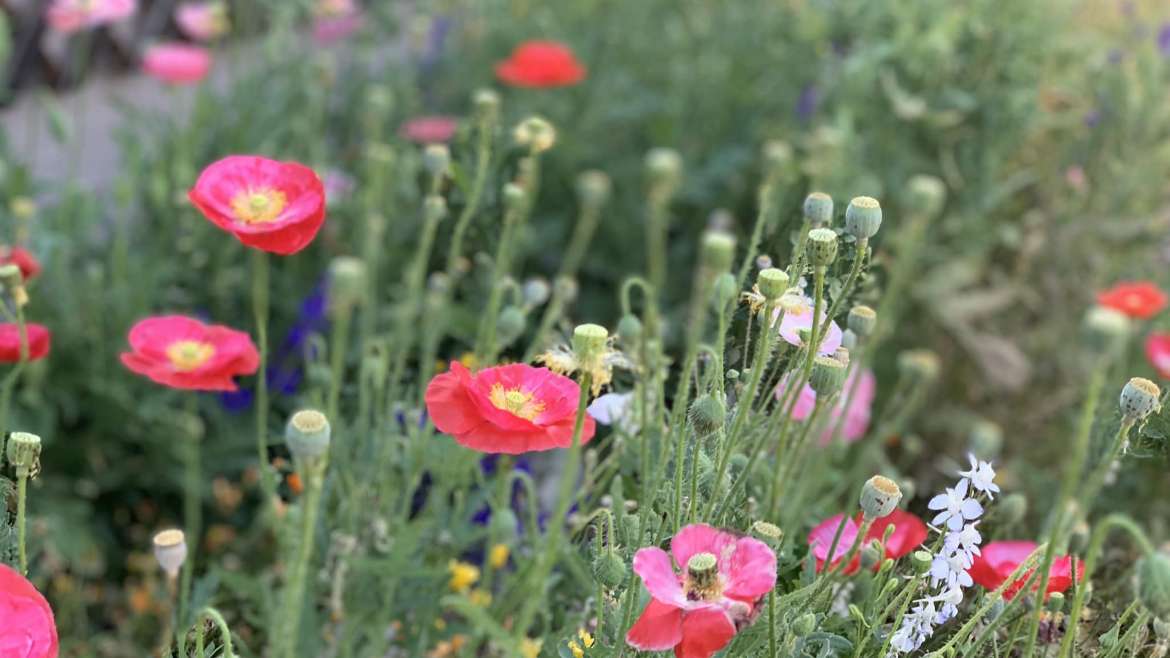
Lawns, while neat and tidy, are typically a monoculture of grass, offering little to no food or habitat for wildlife. Reducing lawn areas and converting them into wildflower meadows can significantly increase the biodiversity in your garden. Wildflowers are a magnet for bees, butterflies, and other pollinators, providing a natural, colorful habitat.
If a full meadow feels like too much, start small by replacing a section of your lawn with a wildflower mix. You can also intersperse wildflowers in your vegetable garden or between shrubs and trees for a more natural look. Not only does this help biodiversity, but it also reduces water and mowing maintenance.
6. Create Shelter for Beneficial Insects
Insects like ladybugs, lacewings, and predatory beetles are nature’s pest control agents. They feed on harmful pests like aphids and spider mites, helping to keep your garden balanced. You can attract these beneficial insects by providing them with shelter, such as bug hotels, brush piles, or patches of wild plants.
A simple DIY bug hotel can be made by bundling bamboo sticks or hollow reeds into a small structure, creating a safe space for solitary bees and other insects to rest and lay eggs. A thick pile of leaves or a stack of logs can also serve as a home for beetles and other ground-dwelling creatures.
7. Plant a Diverse Range of Fruit and Vegetable Crops
Adding edible plants to your garden isn’t just practical—it also boosts biodiversity. When you grow a variety of fruit and vegetable crops, you create an ecosystem that supports different types of insects, from pollinators to pest-eating bugs.
Try planting a mix of fruits (like apples, berries, or pears), vegetables (like tomatoes, cucumbers, or squash), and herbs (such as basil, mint, and rosemary). The diversity of plant species will attract a wide range of beneficial insects, birds, and other wildlife.
8. Use Companion Planting to Enhance Plant Health
Companion planting involves growing certain plants together to benefit each other—whether by attracting beneficial insects, improving soil health, or deterring pests. For example, planting marigolds near tomatoes can help repel aphids, while basil and tomatoes together enhance each other’s flavor and growth.
Incorporating companion plants into your garden is an organic way to increase biodiversity and reduce your reliance on chemical pesticides. It also encourages a more natural and harmonious relationship between plants and wildlife.
9. Leave Some Areas Untouched
While it’s tempting to keep everything neat and tidy, leaving some parts of your garden untouched can have tremendous benefits for biodiversity. Letting a corner of your garden grow wild with grasses, leaves, or fallen branches provides shelter for insects, small mammals, and birds. These spaces offer refuge for creatures to nest, forage, and find shelter from predators.
Consider leaving a few flower stems standing through the winter or letting some areas of grass grow tall. This not only supports biodiversity but also adds natural beauty to your garden year-round.
10. Compost and Recycle Garden Waste
Composting is one of the most effective ways to close the loop in your garden. Instead of sending plant trimmings, leaves, and kitchen scraps to the landfill, recycle them into nutrient-rich compost that improves soil health. Healthy soil supports a wide range of organisms, from earthworms to microorganisms, all of which play an essential role in your garden’s ecosystem.
A compost pile also provides a home for beneficial insects, and the process of decomposing plant material adds organic matter to the soil, increasing its ability to hold water and nutrients.
FAQs About Increasing Biodiversity in Your Garden
Biodiversity helps create a balanced ecosystem, improves soil health, encourages pollination, and supports wildlife. A biodiverse garden is more resilient to pests, diseases, and climate extremes.
Absolutely! You don’t need a large space. Start by planting native plants, creating a small wildlife pond, and offering shelter for beneficial insects. Small steps can make a big difference.
Planting berry bushes, providing a water source, and incorporating bird-friendly plants like sunflowers and coneflowers can help attract birds to your garden.
Conclusion: Let’s Grow Together
By implementing these 10 simple steps, you can create a garden that not only looks beautiful but also contributes to the preservation of local wildlife and ecosystems. Each action you take to increase biodiversity is a step toward a more sustainable, vibrant future for both your garden and the planet.
Have any tips of your own for boosting biodiversity? Drop a comment below—I’d love to hear about your experiences! Don’t forget to sign up for our newsletter for more gardening tips and eco-friendly ideas delivered straight to your inbox. Happy gardening!
Sign up to get our FREE weekly emails
Gardening guides, tips, & videos delivered right to your inbox!