In the world of gardening, some plants just seem to have a natural affinity for each other. Such is the case with basil, a versatile and beloved herb that thrives when planted alongside the right companions.
In this article, we delve into the secrets of companion planting for basil, unlocking the perfect pairs that can take your herb garden to new heights.
Companion planting is a time-tested, sustainable gardening technique that involves strategically planting different plants together to promote growth, deter pests, and enhance flavor.
When it comes to basil, there are several plant companions that can provide benefits like attracting pollinators, repelling pests, and improving flavor.
Whether you’re a seasoned gardener or just starting out, understanding the art of companion planting for basil can make a world of difference in your garden’s success.
From tomatoes to marigolds, we explore the most effective plant pairings that can turn your basil patch into a thriving oasis of flavor and beauty. So, grab your gardening gloves and dig into the secrets of companion planting for basil!
Benefits of Companion Planting for Basil
Companion planting is more than just a gardening strategy; it’s a holistic approach that enhances the overall health and productivity of your garden. When it comes to basil, the benefits of companion planting are particularly pronounced.
One of the primary advantages is pest control. Certain companion plants can repel harmful insects that are known to target basil, such as aphids and spider mites. By integrating these plants into your garden, you create a natural barrier that can help protect your basil from infestations, allowing it to flourish without the need for chemical interventions.
Additionally, companion planting can improve the flavor profile of basil. Some plants, when grown near basil, can enhance its aromatic qualities, leading to a more robust and flavorful harvest.
For example, when basil is planted alongside tomatoes, it is believed that the two plants can enhance each other’s taste, resulting in a more aromatic basil and sweeter tomatoes. This symbiotic relationship not only benefits the plants but also the culinary experiences they contribute to, making your dishes even more delightful.
Moreover, companion planting promotes biodiversity in your garden. By introducing a variety of plants, you encourage a more balanced ecosystem that attracts beneficial insects and pollinators. This diversity can lead to improved soil health, as different plants contribute various nutrients and organic matter.
When you create a vibrant garden with a mix of companion plants, you set the stage for a thriving environment that supports not just basil, but a host of other plants as well. This interconnectedness in gardening fosters resilience against diseases and environmental stressors, establishing a sustainable gardening practice.
Companion Plants for Basil
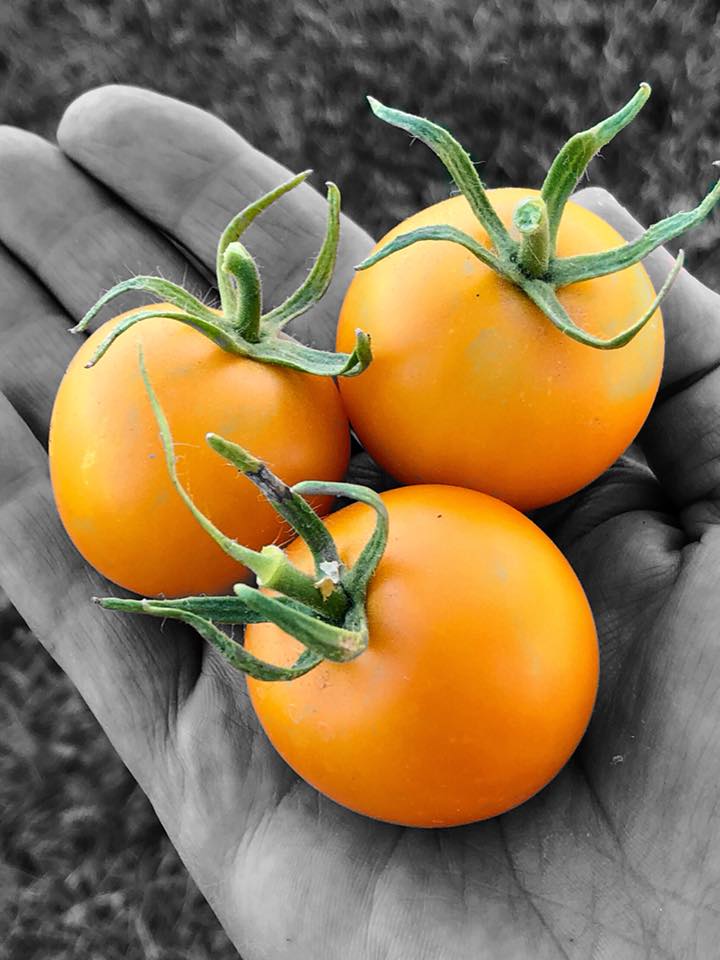
When selecting companion plants for basil, it’s essential to consider which plants will provide the most benefits. One of the most popular companions for basil is tomatoes. This pairing is not only favored for the culinary advantages but also for their mutual growth benefits.
Basil can help deter pests that typically afflict tomatoes, while tomatoes can provide the necessary shade that basil sometimes needs during the hottest days of summer. This combination is a staple in many home gardens, particularly in vegetable patches.
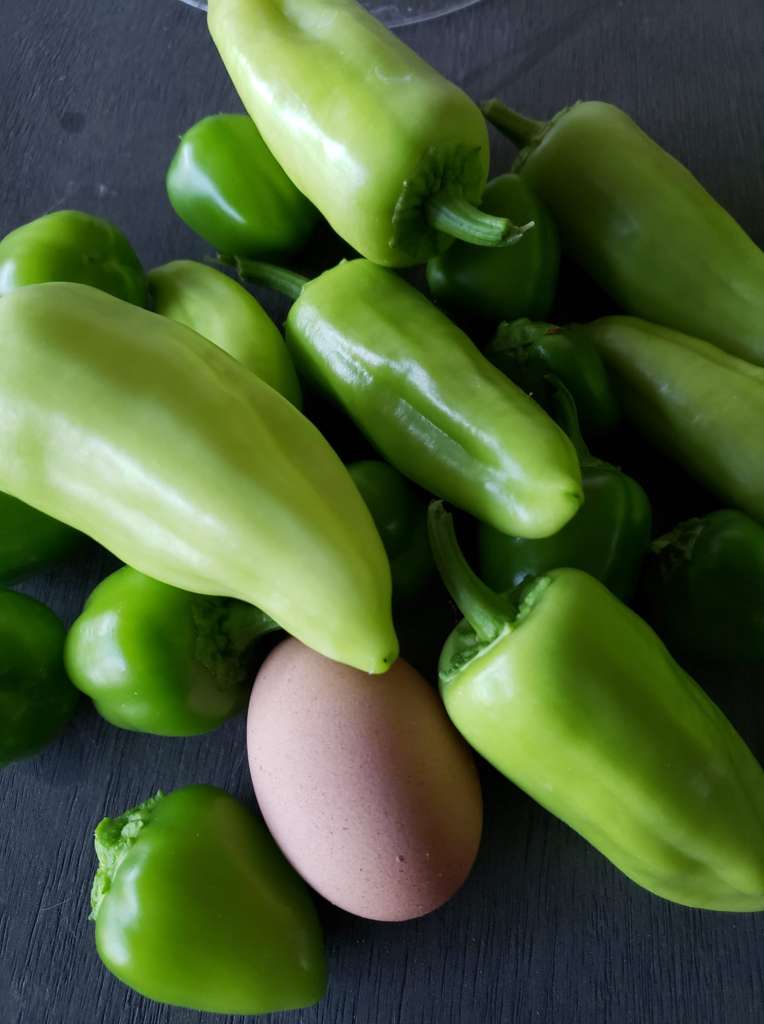
Another excellent companion for basil is peppers. Like tomatoes, peppers and basil thrive under similar growing conditions, requiring plenty of sunlight and well-draining soil. Growing them together can lead to a healthy environment where both plants can flourish.
Additionally, the aromatic presence of basil can enhance the flavor of peppers, making this combination a favorite among gardeners looking to maximize their harvest’s taste.
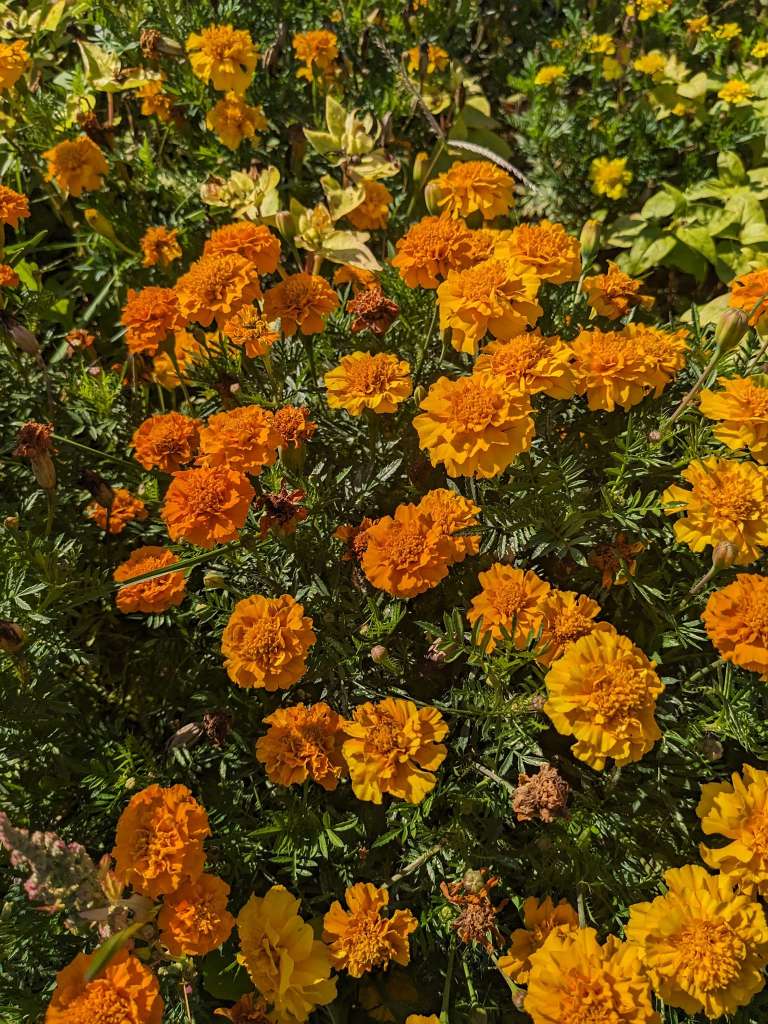
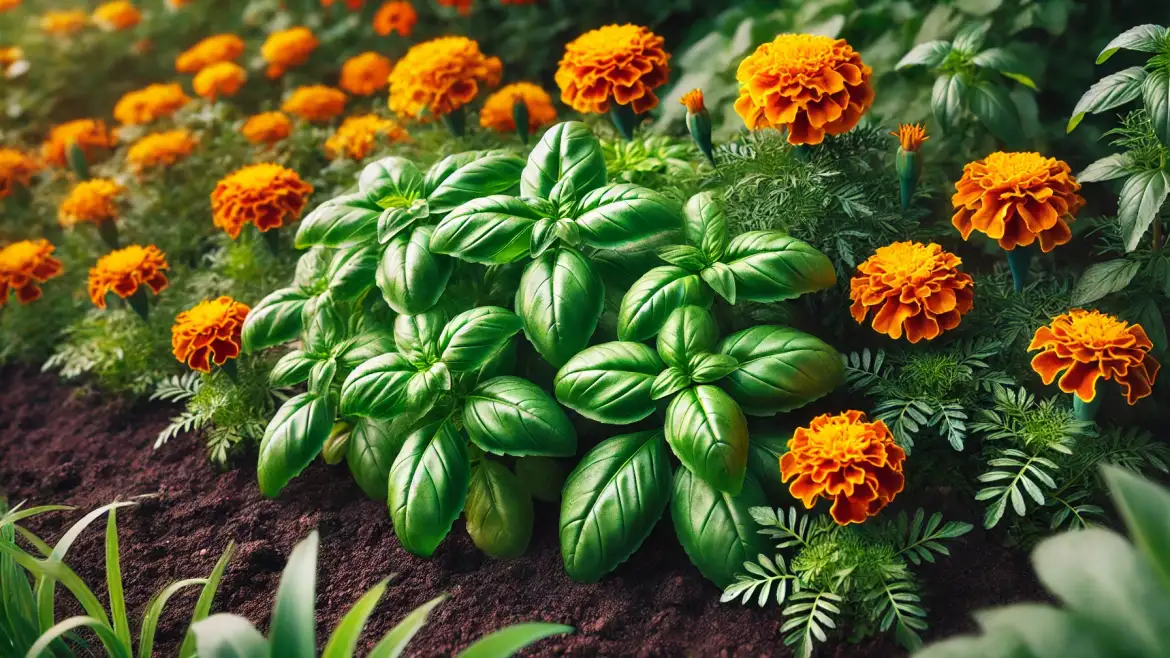
Marigolds are also a well-known companion plant for basil. These vibrant flowers not only add beauty to your garden but also serve as a natural pest deterrent. Marigolds exude a scent that repels nematodes and other harmful insects, creating a protective barrier around basil plants.
Furthermore, marigolds attract beneficial insects like ladybugs and lacewings, which help control pest populations in your garden. The combination of marigolds and basil not only looks appealing but also contributes to a healthier garden ecosystem.
How to Choose the Right Companion Plants
Choosing the right companion plants for basil involves understanding the specific needs Benefits of Companion Planting for Basil
Companion planting is a method that has been utilized for centuries, and its benefits are manifold, particularly when it comes to growing basil. One of the most significant advantages of companion planting is the enhancement of growth and yield.
When basil is planted alongside compatible plants, it can experience improved nutrient uptake from the soil. This synergy between plants allows them to share resources and support one another, resulting in lush growth and a bountiful harvest. For instance, when basil is paired with tomatoes, both plants thrive due to the complementary nutrients they extract from the soil.
In addition to promoting growth, companion planting can serve as a natural form of pest control. Basil has a strong aroma that can deter certain pests, making it an excellent partner for vulnerable plants. For example, the presence of basil can help protect tomatoes from aphids, whiteflies, and spider mites.
This natural repellent effect reduces the need for chemical pesticides, leading to a healthier garden ecosystem. Moreover, some companion plants can attract beneficial insects, such as ladybugs and lacewings, which prey on harmful pests, further enhancing the garden’s resilience.
Another benefit of companion planting is the enhancement of flavor and aroma. Certain plants can enrich the taste of basil and vice versa. For instance, when basil is grown alongside peppers, it can intensify the pepper’s flavor profile.
This not only makes the vegetables more enjoyable to eat but also elevates the overall quality of the homegrown produce. When you create a diverse planting scheme, the interaction between different plant varieties can lead to a more flavorful and aromatic harvest, making your culinary creations even more delightful.
Companion Planting Techniques for Basil
Implementing companion planting techniques for basil can maximize the benefits of this gardening strategy. One effective method is intercropping, which involves planting basil in between rows of compatible plants, like tomatoes or peppers.
This arrangement allows basil to share space and resources while also providing a natural pest barrier for its taller companions. The close proximity of these plants encourages a healthy ecosystem, where each plant can support the other’s growth.
Another technique is to create a polyculture garden, where multiple plant species are grown together in a diverse arrangement. This method promotes biodiversity and can lead to a more resilient garden. By mixing basil with a variety of companion plants, such as marigolds, borage, and nasturtiums, you can create a vibrant and flourishing garden that attracts beneficial insects while deterring pests. Polyculture not only enhances plant health but can also result in a more visually appealing garden space.
Additionally, using companion planting techniques can help with crop rotation. Planting basil with different companions each season can prevent soil depletion and reduce the risk of pest and disease buildup.
By rotating your companion plants, you can maintain soil health, improve nutrient availability, and ensure a consistent harvest year after year. This practice is essential for long-term garden sustainability and can lead to a more productive herb garden over time.
Common Mistakes to Avoid in Companion Planting
While companion planting can yield significant benefits, there are common mistakes that gardeners should be aware of to ensure the success of their basil crops. One prevalent mistake is overcrowding plants.
Basil requires adequate space to grow, and planting it too close to other companions can lead to competition for sunlight, water, and nutrients. This can hinder the growth of both basil and its companions, ultimately affecting the overall health of your garden. To avoid this, always follow recommended spacing guidelines when planting basil and its companions.
Another mistake is neglecting the specific needs of each plant. Different plants have varying requirements for sunlight, water, and soil type. Failing to consider these needs can lead to poor growth and increased susceptibility to pests and diseases.
For instance, while basil thrives in warm, sunny conditions, some companion plants may prefer cooler or shadier environments. Always research the growing conditions of each plant before pairing them together to ensure a successful companion planting arrangement.
Lastly, many gardeners overlook the importance of maintaining soil health. Companion planting can enhance nutrient uptake, but it’s essential to regularly amend the soil with organic matter to keep it fertile and healthy.
Neglecting soil health can lead to nutrient deficiencies, stunted growth, and increased pest problems. Incorporate compost or other organic amendments into your soil to support the overall health of your garden and maximize the benefits of companion planting with basil and its companions.
Tips for Successful Companion Planting with Basil
To achieve the best results from companion planting with basil, consider implementing a few key tips. First, always start with healthy seedlings or seeds.
The success of companion planting begins with strong, vigorous plants that can withstand competition and thrive alongside their companions. Choose high-quality seeds or seedlings from reputable sources, and ensure they are free from pests and diseases before planting.
Another crucial tip is to monitor your garden regularly. Keeping an eye on the growth and health of your basil and its companions can help you catch any issues early on.
Look for signs of pest infestations, nutrient deficiencies, or any other problems that could affect plant health. Regular monitoring allows you to take proactive measures to address issues before they escalate, ensuring a thriving companion planting environment.
Lastly, don’t hesitate to experiment with different plant combinations. Gardening is a process of trial and error, and what works well in one garden may not yield the same results in another. Keep a journal of your companion planting efforts, noting which combinations yield the best results in terms of growth, flavor, and pest control.
This practice will help you refine your gardening techniques and develop a deeper understanding of which plants work best together over time.
Companion Planting Resources and References
For gardeners looking to delve deeper into the world of companion planting, a wealth of resources is available to guide your journey. Books such as “Carrots Love Tomatoes” by Louise Riotte provide valuable insights into the science behind companion planting and offer practical advice on which plants work well together. This classic gardening reference has been a trusted companion for many gardeners seeking to optimize their growing spaces.
Online platforms also offer a plethora of information on companion planting strategies. Websites like the USDA’s National Agricultural Library provide research studies and articles on the benefits of companion planting, including the specific interactions between various plant species.
In addition, gardening forums and social media groups can be excellent places to connect with fellow gardeners, share experiences, and exchange tips on companion planting.
Lastly, local gardening clubs and extension services can be invaluable resources for learning about companion planting in your specific region. These organizations often host workshops, provide educational materials, and offer advice tailored to your local climate and soil conditions.
Engaging with local experts and fellow gardeners can enhance your understanding of companion planting and help you implement successful techniques in your own garden.
Real-Life Examples of Successful Companion Planting with Basil
Many gardeners have experienced the benefits of companion planting with basil firsthand. One inspiring example comes from a community garden in a suburban area, where a group of gardeners decided to plant basil among their tomato crops.
The result was a vibrant, flourishing garden that not only produced an abundant harvest of tomatoes and basil but also attracted a variety of pollinators and beneficial insects. The synergy between the two plants led to a reduction in pest problems and an overall boost in plant health, showcasing the success of this classic pairing.
Another successful case comes from a home gardener who planted basil alongside peppers and marigolds. The combination not only created a visually appealing garden but also resulted in an impressive yield of flavorful peppers and aromatic basil.
The marigolds effectively kept pests at bay, allowing both the basil and peppers to thrive. This gardener noted that the enhanced flavor of the peppers, attributed to the proximity of basil, made their culinary creations even more enjoyable.
In a more urban setting, a rooftop gardener implemented companion planting principles by growing basil with borage and nasturtiums. The borage attracted bees, which improved pollination for the basil and other plants in the garden.
Meanwhile, the nasturtiums acted as a trap crop for aphids, keeping them away from the more vulnerable basil plants. This harmonious arrangement not only maximized the use of limited space but also created a thriving urban garden ecosystem that provided fresh herbs and vegetables right in the heart of the city.
Conclusion
Companion planting for basil is an art that, when mastered, can lead to an abundant and thriving garden. By understanding the benefits of planting basil alongside compatible companions, you can boost growth, enhance flavors, and create a natural pest management system.
Whether you’re pairing basil with tomatoes, peppers, or marigolds, the synergy between these plants can elevate your gardening experience and yield delicious results.
As you explore the world of companion planting, remember to consider the specific needs of each plant, avoid common pitfalls, and embrace the beauty of diversity in your garden.
With a little experimentation, observation, and care, you can unlock the full potential of your basil patch and create a flourishing herb garden that delights the senses.
So, roll up your sleeves, gather your favorite companion plants, and get ready to enjoy the rewards of your efforts. Happy gardening!
Sign up to get our FREE weekly emails
Gardening guides, tips, & videos delivered right to your inbox!