

Companion planting for peppers involves growing basil, marigolds, or onions nearby to naturally deter pests and enhance the peppers’ growth and flavor.
Gardening enthusiasts know that cultivating healthy plants isn’t just about sunlight, water, and fertilizer. It’s also about creating a harmonious ecosystem in your garden. One highly effective gardening strategy is companion planting, which involves growing plants together that benefit one another.
When it comes to peppers, companion planting can boost their growth, protect them from pests, and even improve the flavor of your harvest. In this article, we’ll explore why you should consider companion planting for peppers, the best plants to pair with peppers, and practical tips for successful implementation.
Why You Should Consider Companion Planting for Peppers
Companion planting offers numerous benefits for your pepper plants, making it a worthwhile technique for gardeners at all skill levels. Here are the main reasons why this practice is essential for growing healthy peppers:
1. Pest Control
Certain plants can repel common pests that attack peppers, such as aphids, spider mites, and caterpillars. By pairing peppers with plants that have natural pest-deterrent properties, you reduce the need for chemical pesticides, creating a more organic and sustainable garden.
For example, marigolds are well-known for their ability to deter nematodes and other harmful insects. Nasturtiums, on the other hand, attract aphids away from your pepper plants, acting as a trap crop.
2. Improved Growth and Yield
Some plants release beneficial nutrients into the soil or improve the soil’s structure, promoting the healthy growth of neighboring plants.
For instance, beans fix nitrogen in the soil, which can benefit peppers by providing this essential nutrient. Basil, when planted near peppers, is believed to enhance their flavor and growth.
3. Efficient Use of Space
Companion planting allows you to maximize your garden’s space by growing plants with different growth habits together.
Tall plants can provide shade for sun-sensitive companions, while ground-cover plants can suppress weeds and retain soil moisture. This synergy creates a more productive garden.
4. Disease Prevention
Certain plants act as barriers or decoys to prevent the spread of diseases. For example, planting onions or garlic near peppers can help reduce the risk of fungal infections due to their antifungal properties.
By integrating companion planting into your gardening routine, you create a diverse ecosystem that supports the health and productivity of your pepper plants.
Best Companion Plants for Peppers
When selecting companion plants for your peppers, it’s important to choose those that complement peppers’ needs and offer mutual benefits. Below is a list of some of the best companions for peppers:
1. Basil
Basil and peppers are a classic combination. Basil not only enhances the flavor of peppers but also helps repel pests like thrips, aphids, and spider mites. Plus, the aromatic oils in basil can deter harmful insects from nearby plants.
2. Marigolds
Marigolds are a gardener’s best friend when it comes to pest control. Their roots produce a natural substance that deters nematodes, and their bright blooms repel aphids, whiteflies, and other common garden pests.
3. Nasturtiums
As a trap crop, nasturtiums attract pests such as aphids, keeping them away from your peppers. They also add a beautiful splash of color to your garden.
4. Onions and Garlic
Members of the allium family, like onions and garlic, can deter pests and reduce the risk of fungal diseases. Their strong smell confuses pests, making it harder for them to locate your pepper plants.
5. Beans and Legumes
Beans and other legumes fix nitrogen in the soil, which peppers can absorb to enhance their growth. Pole beans can also provide shade to peppers in hot climates.
6. Carrots
Carrots make great companions for peppers because they grow underground and do not compete for space with the peppers’ shallow root system. They also help improve soil aeration.
7. Spinach and Lettuce
Leafy greens like spinach and lettuce act as ground cover, helping retain soil moisture and suppress weeds around pepper plants. They grow quickly and can be harvested before peppers reach full maturity.
8. Cilantro
Cilantro attracts beneficial insects like hoverflies and predatory wasps, which prey on pests that might otherwise attack your peppers. It’s a win-win for pest control and biodiversity in your garden.
9. Tomatoes
Although there’s debate over planting tomatoes with peppers due to potential disease risks, they can coexist well if spaced properly. Both plants thrive in similar conditions and can share the same trellis system for support.
10. Petunias
Petunias are ornamental plants that repel aphids, hornworms, and beetles. Their flowers also attract pollinators, which can benefit the overall productivity of your garden.
By incorporating these companion plants, you create a thriving ecosystem that supports your peppers while adding variety and beauty to your garden.
Tips for Growing Companion Plants with Peppers
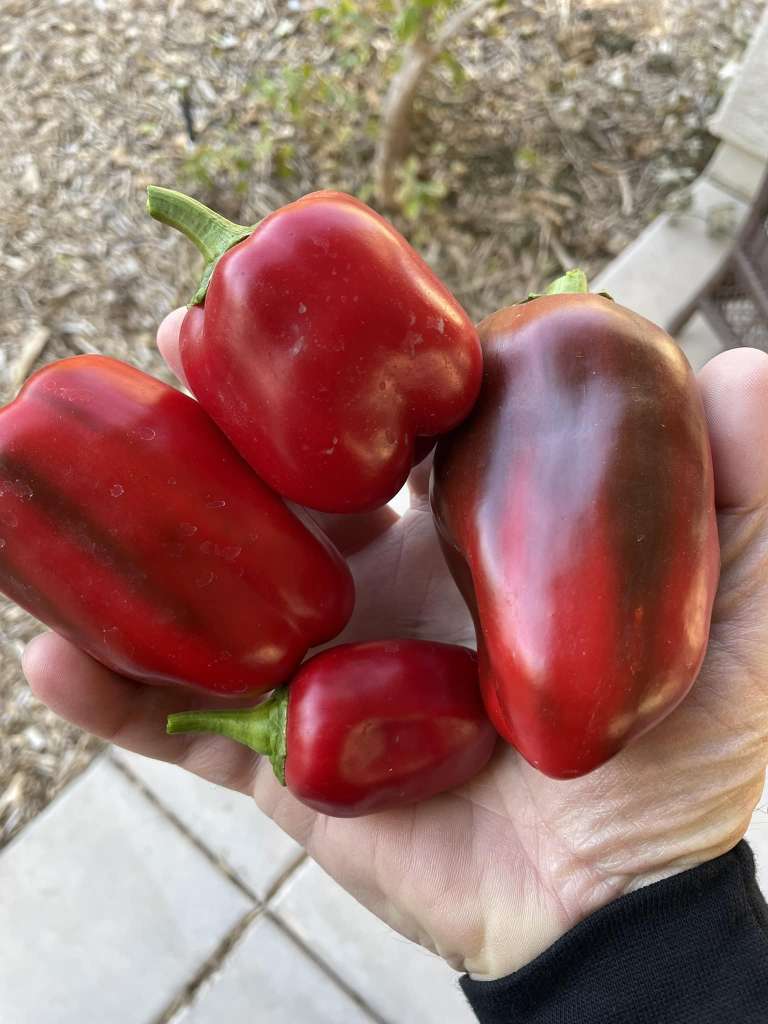
Companion planting is more than just pairing random plants together. It requires thoughtful planning and execution to ensure success. Here are some practical tips for growing companion plants with peppers:
1. Plan Your Garden Layout
When arranging your garden, consider the specific needs of each plant. Place taller companion plants like beans or tomatoes on the north side of your garden bed to avoid shading smaller pepper plants. Ground-cover plants like lettuce or spinach should be positioned around the base of the peppers.
2. Maintain Proper Spacing
Overcrowding can lead to poor air circulation, which increases the risk of diseases. Ensure adequate spacing between plants to allow for growth and prevent competition for nutrients and sunlight.
3. Choose Compatible Planting Times
Some companion plants grow faster than peppers and can be harvested early in the season. For example, lettuce and spinach can be planted early in spring and removed by the time your peppers need more space.
4. Monitor Soil Health
Companion planting can improve soil health, but it’s still important to monitor soil nutrients and pH levels. Regularly amend the soil with compost or organic matter to support the needs of all your plants.
5. Use Organic Pest Control Methods
While companion plants can deter many pests, it’s a good idea to supplement this with other organic pest control methods. For example, hand-picking pests or using neem oil can help protect your garden.
6. Practice Crop Rotation
Avoid planting peppers in the same spot year after year, as this can lead to a buildup of soil-borne diseases and pests. Rotate your crops to keep your garden healthy.
7. Water Wisely
Peppers prefer consistent moisture, but overwatering can lead to root rot. Use companion plants like lettuce to help retain soil moisture and reduce the frequency of watering. Mulching around your plants can also help conserve water.
8. Attract Beneficial Insects
Plant flowers like marigolds, nasturtiums, and cilantro to attract pollinators and predatory insects. These beneficial insects will help keep your garden in balance and improve pepper pollination.
9. Be Patient
Companion planting is a long-term strategy that may take time to show results. Observe your garden regularly, make adjustments as needed, and enjoy the learning process.
10. Experiment and Document
Every garden is unique, so don’t hesitate to experiment with different companion plant combinations. Keep a gardening journal to track what works best for your peppers and other plants.
Conclusion
Companion planting is a simple yet effective way to enhance the growth, health, and yield of your pepper plants. By carefully selecting the right companions, you can create a thriving, diverse garden that requires less maintenance and fewer chemical inputs.
Whether you’re planting basil to boost flavor, marigolds to repel pests, or beans to enrich the soil, companion planting offers a holistic approach to gardening that benefits both plants and the gardener. With thoughtful planning and a bit of experimentation, you’ll soon enjoy a bountiful pepper harvest and a vibrant garden ecosystem.
Sign up to get our FREE weekly emails
Gardening guides, tips, & videos delivered right to your inbox!


