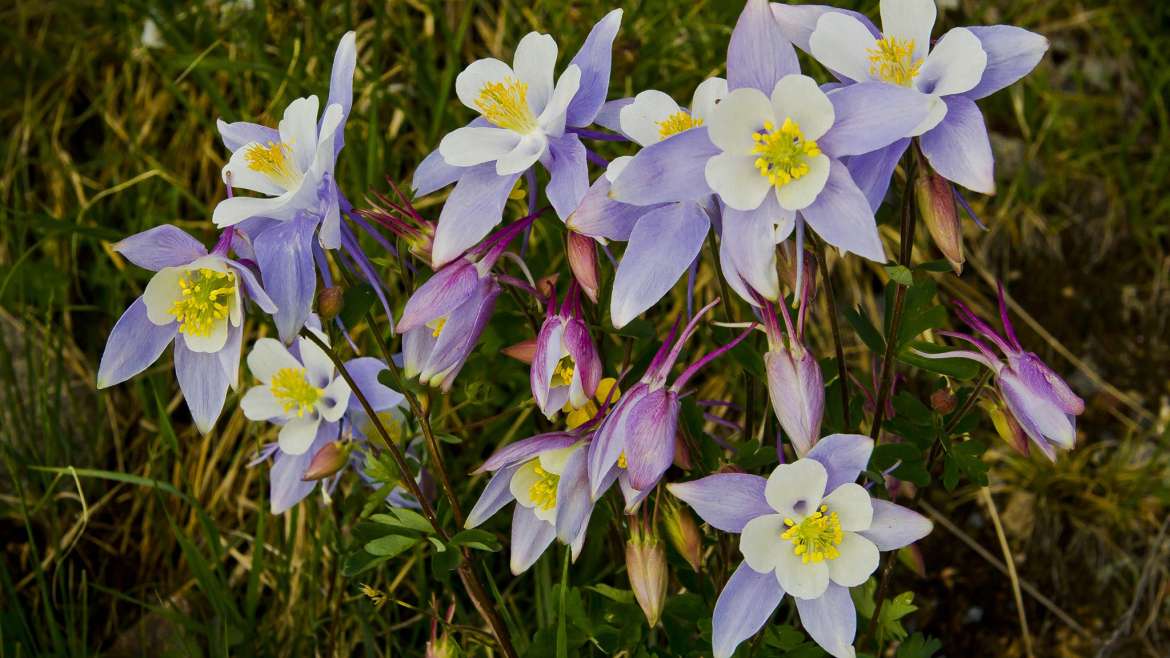
Growing Aquilegia, commonly known as columbine, in pots offers both practical and aesthetic advantages. One key benefit is mobility; potted Aquilegia plants can be moved to find the optimal sunlight conditions or to enhance a particular area in your garden, patio, or balcony.
This adaptability makes it easier to control environmental factors such as soil quality and moisture levels, ensuring the plants remain healthy and vibrant. Containers also help to minimize the spread of diseases and pests that can affect garden soil, offering a controlled setting for these delicate perennials.
Another benefit is that potted Aquilegia adds visual charm to small spaces and allows for creative combinations with other flowering plants. Their delicate, nodding blooms in shades of blue, purple, pink, and white create an elegant display when arranged in clusters or alongside other shade-tolerant species.
Growing Aquilegia in pots also prevents their tendency to self-seed excessively, making it easier to manage their growth. The height and structure of the flowers add vertical interest to your outdoor areas, while the ability to elevate pots ensures their intricate blooms can be appreciated at eye level.
Growing Columbine in Pots

Here we have prepared a complete guide on growing Aquilegia, also known as Columbine, in pots, covering everything from selecting the right variety to ensuring healthy growth and blooming.
Columbine is a charming perennial with delicate, nodding flowers that add elegance to any garden or patio. These hardy plants are perfect for container gardening, allowing even those with limited space to enjoy their beauty.
1. Choosing the Right Variety
Aquilegia comes in many varieties and colors. When growing in pots, select compact or dwarf varieties such as:
- Aquilegia ‘Spring Magic’ (height: 10-12 inches)
- Aquilegia ‘Swan Series’ (height: 12-18 inches)
- Aquilegia flabellata ‘Ministar’ (height: 8-10 inches)
These varieties are well-suited for container growth due to their smaller size.
2. Selecting the Right Pot
- Material: Terracotta, ceramic, or plastic pots all work well. Ensure the pot has adequate drainage holes.
- Size: Choose a pot that is at least 12 inches (30 cm) in diameter and depth to accommodate the root system.
- Drainage: To prevent root rot, ensure good drainage by adding a layer of gravel or broken pottery to the bottom of the pot.
3. Soil Requirements
Aquilegia prefers well-draining, nutrient-rich soil. Prepare the following mix:
- 1 part garden soil or loam
- 1 part compost or well-rotted manure
- 1 part perlite or coarse sand for improved drainage
A balanced pH between 6.0 and 7.0 is ideal for Aquilegia.
4. Planting Aquilegia in Pots
Steps:
- Fill the Pot: Fill the pot with the prepared soil mix, leaving about 2 inches (5 cm) from the top.
- Planting Depth: Dig a hole deep enough so the top of the root ball sits level with the soil surface.
- Spacing: If planting multiple Aquilegia in a larger pot, space them 8-12 inches (20-30 cm) apart.
- Backfill: Gently backfill the soil around the roots, pressing lightly to remove air pockets.
- Water Thoroughly: Water until the soil is evenly moist but not waterlogged.
5. Light Requirements
- Ideal Light: Aquilegia thrives in partial shade but can tolerate full sun in cooler climates.
- Position: Place your pot in a spot where it receives 3-6 hours of morning sunlight and afternoon shade.
6. Watering
- Frequency: Keep the soil consistently moist but not soggy.
- Check Moisture: Water when the top 1 inch (2.5 cm) of soil feels dry.
- Avoid Overwatering: Excess moisture can lead to root rot.
7. Feeding/Fertilizing
- Type: Use a balanced, slow-release fertilizer (10-10-10) or a liquid fertilizer diluted to half strength.
- Frequency: Feed every 4-6 weeks during the growing season (spring to early summer).
- Avoid Overfertilizing: Too much fertilizer can lead to excessive foliage growth at the expense of flowers.
8. Pruning and Deadheading
- Deadheading: Remove spent flowers to encourage more blooms and prevent self-seeding.
- Pruning: After flowering, trim back foliage to promote new growth and maintain a tidy appearance.
9. Overwintering Aquilegia in Pots
Aquilegia is hardy and can survive cold temperatures, but potted plants are more vulnerable to freezing.
Winter Care Tips:
- Insulate Pots: Wrap pots with burlap or move them to a sheltered location.
- Mulch: Apply a layer of mulch on top of the soil for added protection.
- Reduce Watering: Water sparingly during winter to avoid root rot.
10. Pests and Diseases
Common Pests:
- Aphids: Spray with insecticidal soap or neem oil.
- Leaf Miners: Remove affected leaves and check for larvae.
Common Diseases:
- Powdery Mildew: Ensure good air circulation and avoid overhead watering.
- Root Rot: Prevent by ensuring proper drainage and avoiding overwatering.
11. Repotting
- Frequency: Repot every 2-3 years to refresh the soil and give the roots more space.
- Signs to Repot: Roots growing out of the drainage holes or the plant becoming root-bound.
Steps:
- Gently remove the plant from the pot.
- Trim any dead or overly long roots.
- Replant in fresh soil in a slightly larger pot if needed.
12. Companion Plants
Pair Aquilegia with shade-loving plants such as:
- Ferns
- Hostas
- Heuchera (Coral Bells)
- Violas
These plants complement the delicate foliage and flowers of Aquilegia.
FAQs
Aquilegia likes moist, but not soggy, soil. Water regularly, especially during hot weather, but allow the top inch of soil to dry out between waterings. Make sure excess water drains away to prevent root rot.
Aquilegia thrives in partial shade to full sun, but in hot climates, some afternoon shade is beneficial to prevent the plants from becoming stressed. In pots, it’s easier to move the plant to find the best light conditions.
Columbine is a perennial, but it may need winter protection in pots, especially in colder climates. Move the pot to a sheltered spot, such as a porch or garage, during the winter months. In very cold areas, you might want to bring the pot indoors.
Aquilegia can be propagated by seed or by dividing the plant in early spring or late fall. If growing from seed, sow them in early spring in a shallow pot or tray. Keep the soil moist, and germination will occur in about 2-4 weeks.
Aquilegia may not flower if it’s stressed by over-fertilization, insufficient sunlight, or inadequate watering. Ensure it gets enough light and is watered properly. Also, older plants may need dividing or repotting if they become root-bound.
Yes, but be mindful of the winter conditions. In colder climates, protect the pot by insulating it with bubble wrap, or move it to a cool but frost-free location. Ensure the plant is not sitting in water, which can freeze and damage the roots.
Sign up to get our FREE weekly emails
Gardening guides, tips, & videos delivered right to your inbox!