Growing nasturtiums in pots offers several advantages, particularly for gardeners with limited space. Pots provide a controlled environment, allowing for easy placement in sun-drenched areas, which nasturtiums thrive in. They also make it simple to move plants around to avoid pests or adverse weather conditions.
Containers also minimize the risk of soil-borne diseases, as the plants are not in direct contact with ground soil. Additionally, pots allow for better management of water drainage, preventing root rot, which can be a concern when growing nasturtiums in the ground.
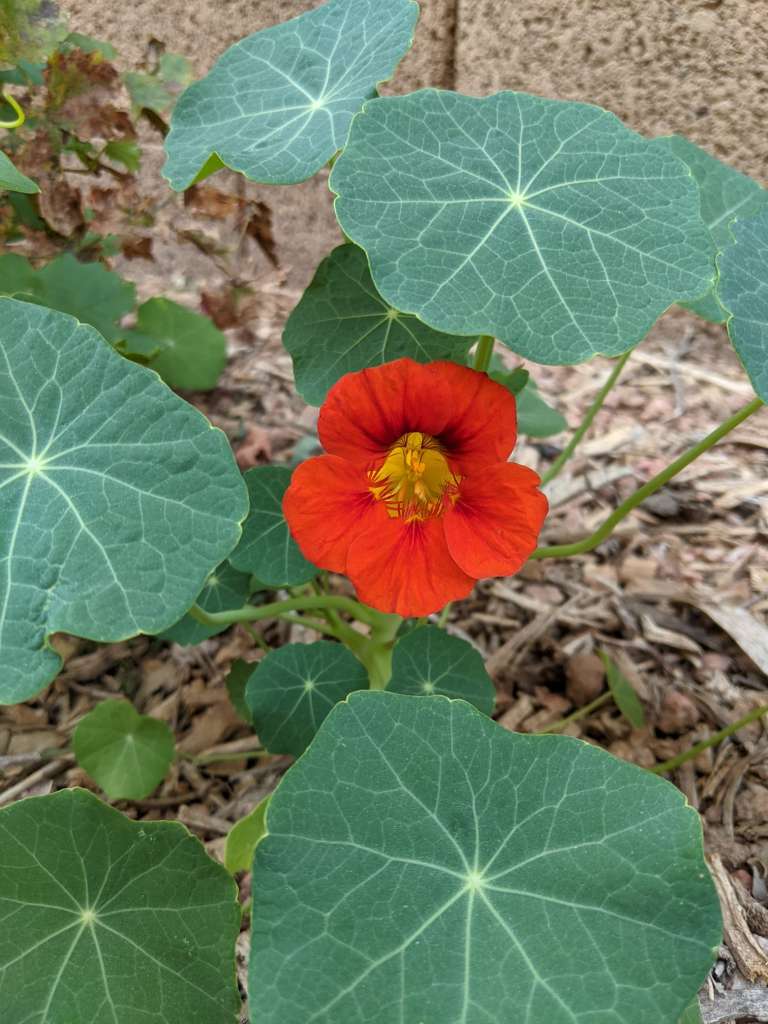
Another key benefit of growing nasturtiums in pots is their versatility in decorating small spaces. These vibrant plants, with their trailing vines and bright flowers, can bring color to balconies, patios, or windowsills. Containers also make it easier to maintain the plants, as gardeners can monitor their water and nutrient levels more effectively.
Furthermore, nasturtiums are relatively low-maintenance, and growing them in pots ensures they are more manageable and less likely to spread uncontrollably, making them an ideal choice for urban gardeners.
Growing Nasturtiums in a Pot
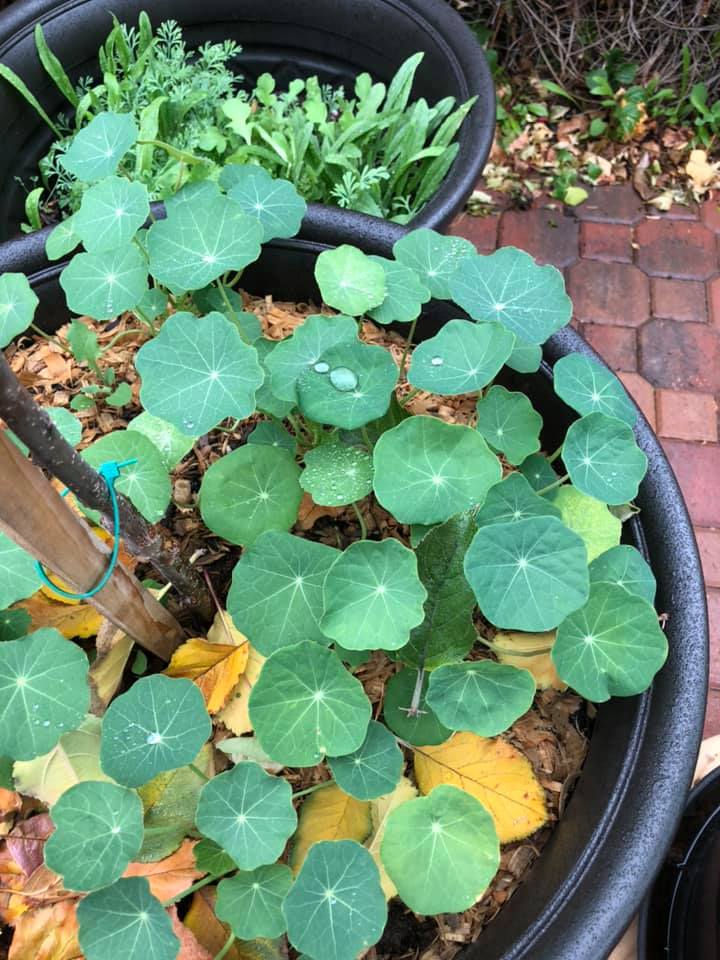
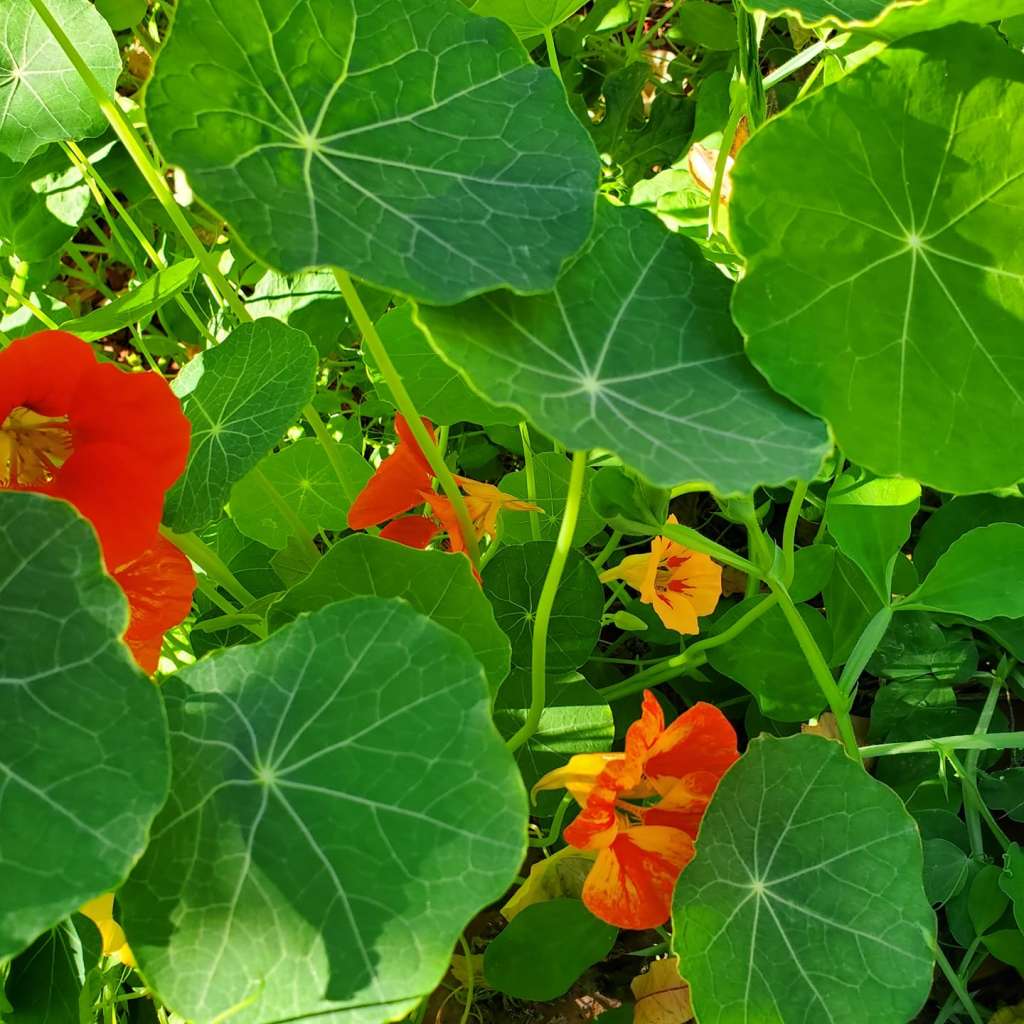
Nasturtiums are vibrant, easy-to-grow flowers that thrive in pots. Known for their striking, colorful blooms and trailing vines, they are perfect for container gardening.
Nasturtiums (Tropaeolum majus) are not only beautiful but also useful, as both the flowers and leaves are edible and can be used in salads and as garnishes. If you want to grow them in pots, here’s a step-by-step guide to help you get the best results.
1. Choosing the Right Pot
The first step in growing nasturtiums in pots is selecting the right container. Nasturtiums are relatively easygoing, but they need a pot that meets a few key requirements:
- Size: A pot that is at least 10-12 inches in diameter will give the plant enough space to spread out. If you plan on growing a trailing variety, a larger pot will provide more room for the vines to grow.
- Drainage: Ensure the pot has drainage holes. Nasturtiums dislike sitting in waterlogged soil, so good drainage is crucial to prevent root rot.
- Material: Terracotta or ceramic pots are good choices as they allow moisture to evaporate, keeping the roots healthy. However, plastic pots work just as well if you ensure proper drainage.
2. Soil Preparation
Nasturtiums prefer poor to moderately fertile soil, so don’t use nutrient-rich compost or heavy fertilizers. Over-fertilizing can lead to lush foliage but few flowers.
- Soil Type: Use a well-draining potting mix. If you want to make your own, mix equal parts of peat moss, perlite, and sand to ensure the soil has good aeration.
- pH: Nasturtiums prefer slightly acidic to neutral soil with a pH between 6.0 and 7.0.
3. Planting Nasturtiums in Pots
Nasturtiums can be grown from seeds or young plants. Here’s how to do it:
Planting Seeds
- Timing: Sow nasturtium seeds directly into the pot in early spring, after the last frost has passed. You can also start them indoors about 2-3 weeks before the last frost if you want an early start.
- How to Plant:
- Fill your pot with potting soil, leaving about 1-2 inches at the top.
- Plant the seeds about 1 inch deep and space them about 2-3 inches apart.
- Gently cover with soil and water well.
- Germination: Nasturtiums germinate quickly, usually within 7-10 days. Keep the pot in a warm spot with plenty of indirect sunlight while waiting for the seeds to sprout.
Planting Young Plants
If you’re using transplants, simply plant them into the pot after all danger of frost has passed. Make sure to plant them at the same depth they were in their nursery pot.
4. Watering
Nasturtiums are drought-tolerant once established but still need regular watering, especially in pots where the soil can dry out faster.
- Watering Tips:
- Water the plant when the top 1-2 inches of soil feel dry to the touch.
- Make sure the pot has good drainage so that the water doesn’t collect at the bottom.
- Water the base of the plant, avoiding getting the leaves wet, which can promote disease.
5. Sunlight Requirements
Nasturtiums love full sun but can tolerate partial shade. In full sun, they will produce more vibrant flowers and have a more compact growth habit.
- Ideal Light: Aim for at least 6 hours of direct sunlight a day. In hotter climates, a little afternoon shade can help prevent the plants from getting too stressed.
6. Fertilization
Nasturtiums don’t require much fertilization. In fact, too much fertilizer can lead to excessive leaf growth at the expense of flowers.
- How to Fertilize:
- Use a balanced, water-soluble fertilizer once a month during the growing season.
- Alternatively, you can use a slow-release fertilizer at the time of planting to feed the plant gradually.
- Avoid high-nitrogen fertilizers, as they will encourage lush foliage but fewer flowers.
7. Pruning and Maintenance
While nasturtiums are generally low-maintenance, a little attention will help them thrive in pots.
- Deadheading: Remove spent flowers regularly to encourage new blooms and prevent the plant from focusing energy on seed production.
- Pruning: If the plant gets too leggy or out of control, prune it back to keep the shape neat. You can also trim the trailing vines if they start to overtake other plants.
- Support: For trailing or climbing varieties, you may want to provide a trellis or allow the plant to spill over the edge of the pot. This can also help prevent the plant from becoming too top-heavy.
8. Dealing with Pests
Nasturtiums are generally pest-resistant, but they can attract aphids, snails, and whiteflies, especially in pots.
- Pest Control:
- Handpick pests like aphids or use insecticidal soap for a more natural approach.
- Snails can be kept in check by placing a barrier of diatomaceous earth around the base of the plant.
- A few marigolds or basil planted nearby can act as natural pest deterrents.
9. Overwintering Nasturtiums in Pots
If you live in a region with frost, nasturtiums will not survive the winter outdoors, but you can overwinter them in pots with a little effort.
- Bringing Indoors: Before the first frost, move the pots indoors to a cool, bright location (like a sunny windowsill) and water sparingly during the winter months.
- Cutting Back: You can trim the plant back a little to help conserve energy.
- Alternatively: In colder climates, you can simply treat nasturtiums as annuals and replant them each spring.
10. Common Problems and Solutions
- Yellow Leaves: This can be a sign of overwatering or poor drainage. Ensure the pot has good drainage and water only when necessary.
- Fewer Flowers: This could be due to too much nitrogen in the soil. Cut back on fertilizing, and ensure the plant is in full sun.
- Leggy Growth: Nasturtiums should stay relatively compact in full sun. If they’re leggy, they may not be getting enough light. Move them to a sunnier spot.
11. Harvesting Nasturtiums
Both the leaves and flowers of nasturtiums are edible and have a peppery flavor similar to arugula.
- Flowers: Pick them when they are fully open. They are perfect for garnishing salads, soups, or desserts.
- Leaves: Harvest young leaves before they become too large and tough. The leaves can be used in salads or as a garnish.
- Seeds: You can also collect seeds from your nasturtiums at the end of the season to grow new plants next year.
FAQs
Yes, nasturtiums grow well in pots. Their trailing or bushy nature makes them an excellent choice for container gardening. Choose a pot with good drainage, ideally 12 inches in diameter or larger, to give the roots plenty of space.
Water nasturtiums regularly, especially in warm weather, but ensure the pot is well-drained to prevent waterlogging. Allow the top inch of soil to dry out between waterings. Overwatering can cause root rot.
While it’s possible to grow nasturtiums in smaller pots, they tend to do better in larger containers with room for their spreading roots. Smaller pots may limit their growth and reduce blooming.
Prune spent flowers and any leggy stems to keep the plant tidy and encourage more growth. You can also trim back overly long vines if you prefer a bushier shape.
While nasturtiums can technically be grown indoors, they tend to thrive better outdoors. If you’re growing them inside, place them near a bright, sunny window and ensure good ventilation. They may not bloom as prolifically indoors due to limited light.
Sign up to get our FREE weekly emails
Gardening guides, tips, & videos delivered right to your inbox!