Are you a gardening enthusiast with limited outdoor space? Looking to grow your own juicy, ripe tomatoes right from the comfort of your home? You’re in luck! In this ultimate guide to growing tomatoes in a pot, we’ll provide you with essential tips, tricks, and expert advice to help you have a bountiful harvest.
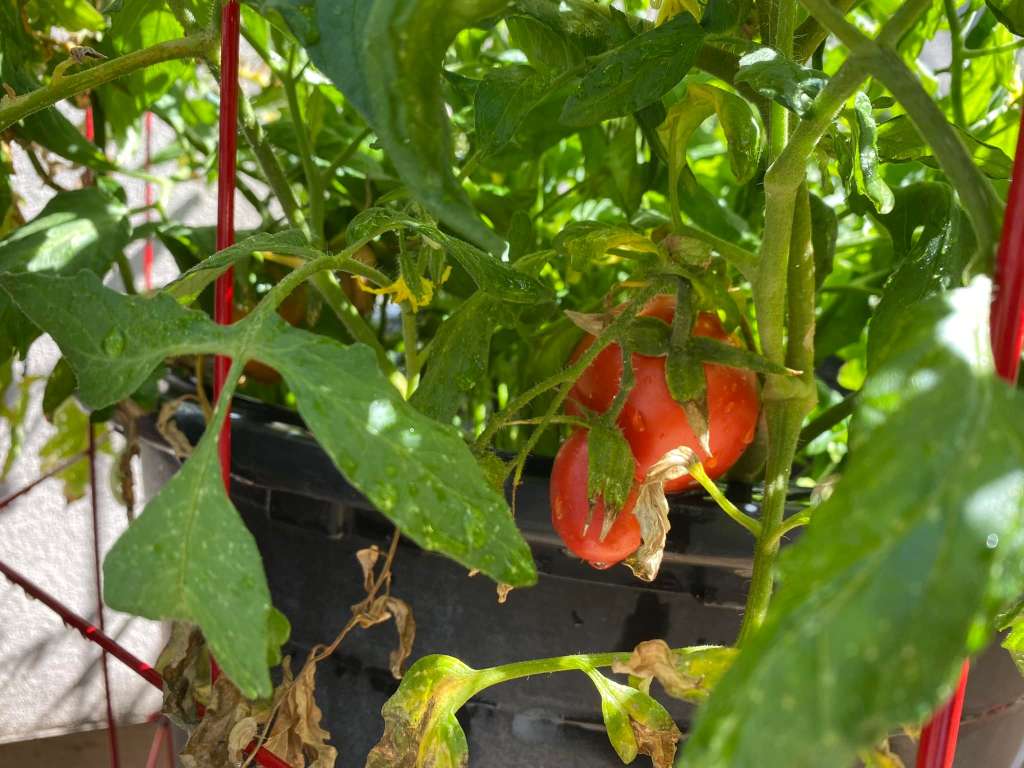
Whether you’re a seasoned gardener or a newbie with a green thumb, this guide has got you covered. Learn about the best pot sizes, soil types, watering techniques, and sunlight requirements to ensure your tomatoes thrive in containers. Discover the secrets to choosing the right tomato varieties for pot cultivation and how to prevent common diseases and pests that can plague your precious plants.
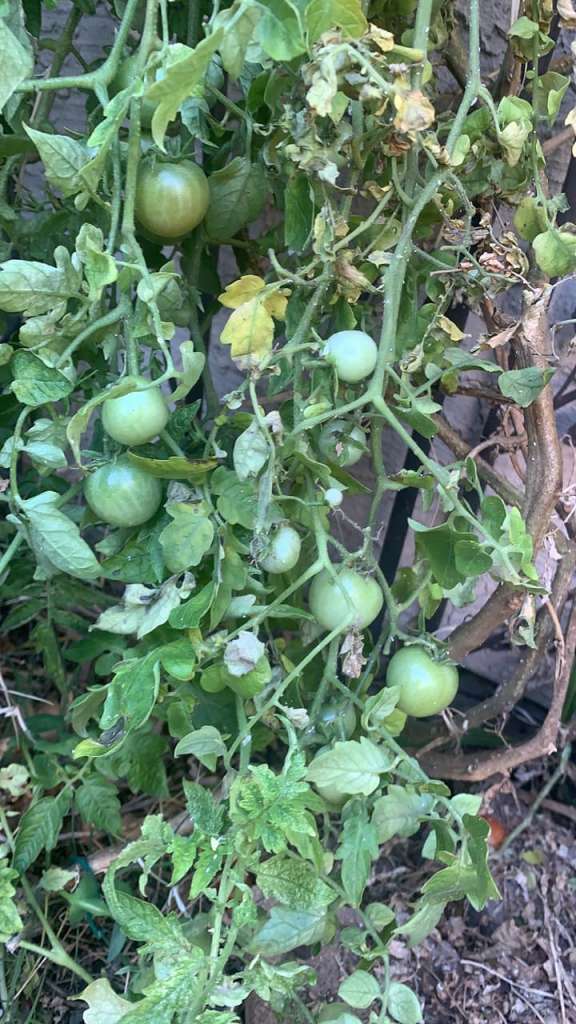
With our step-by-step instructions and insightful recommendations, you’ll learn how to create an optimal growing environment for your potted tomatoes, regardless of your space constraints. So roll up your sleeves, grab your pots, and let’s get started on this exciting journey to homegrown tomatoes that will leave your taste buds delighted and your neighbors envious!
Benefits of Growing Tomatoes in a Pot
Growing tomatoes in pots offers a plethora of benefits that can transform your gardening experience, especially if you’re limited on space. One of the most significant advantages is mobility. Container gardening allows you to place your pots in the sunniest spots of your yard or even on balconies and patios. This flexibility means you can always ensure your tomatoes receive the optimal amount of sunlight, which is crucial for their growth and fruit production. Additionally, if the weather turns unfavorable, you can easily move your containers to protect your plants from extreme conditions.
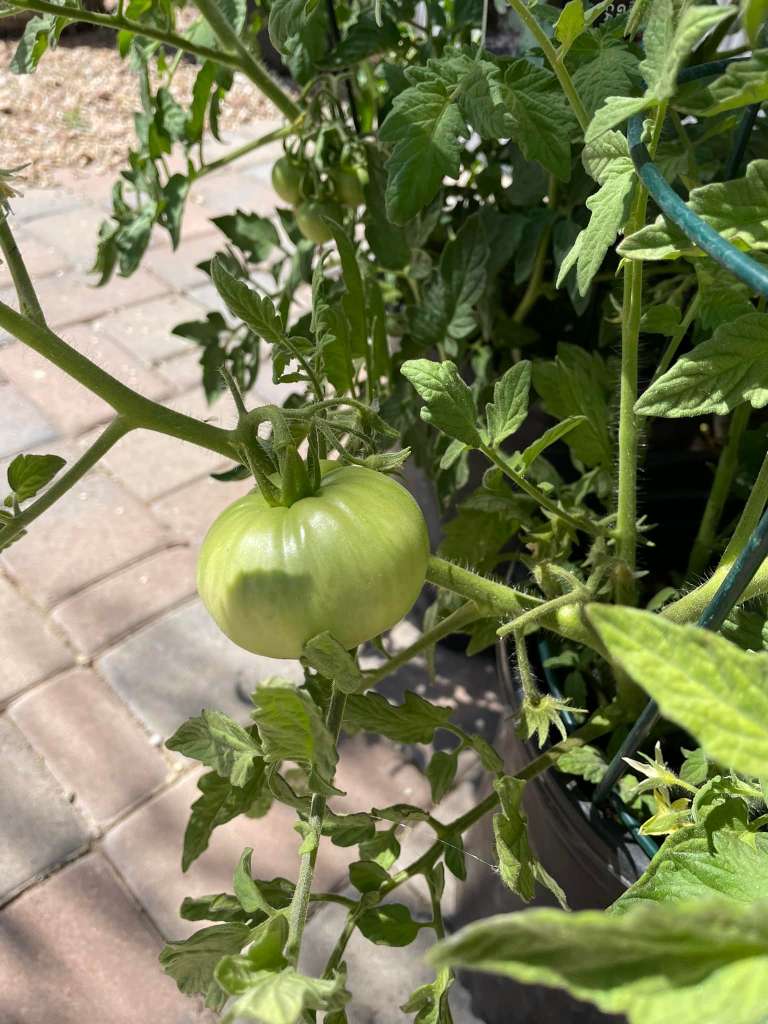
Another benefit is the control you gain over the soil quality and drainage. In pots, you have the ability to select the best soil mix for your tomatoes, ensuring they have the nutrients they need to thrive. This is particularly important because tomatoes are heavy feeders and require nutrient-rich soil. Furthermore, container gardening typically provides better drainage than traditional garden beds, reducing the risk of root rot and other moisture-related issues. This level of control can lead to healthier plants and a more fruitful harvest.
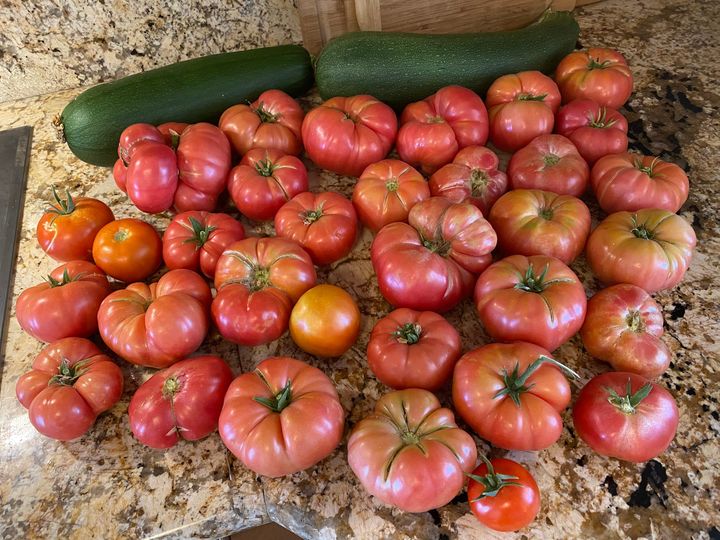
Container gardening also minimizes the risk of soil-borne diseases and pests that can plague traditional garden beds. With tomatoes planted in pots, you can isolate them from infected soil and pests that may be lurking in your garden. This creates a healthier growing environment, making it easier to manage your plants and ensuring that they remain productive. Finally, growing tomatoes in pots can be a wonderful way to engage with gardening, providing an accessible and rewarding hobby that yields delicious results right at your doorstep.
1. Choosing the Right Variety of Tomatoes for Container Gardening
Selecting the right tomato variety is crucial for successful container gardening. Not all tomatoes are suited for growing in pots, so it’s important to choose those that are either determinate or dwarf varieties. Determinate tomatoes, which grow to a certain height and produce fruit all at once, are ideal for containers because they generally require less support and are easier to manage. Varieties such as ‘Patio Princess’, ‘Tiny Tim’, and ‘Bush Early Girl’ are excellent options that thrive in limited spaces and produce flavorful fruits.
If you prefer indeterminate varieties that continue to grow and produce fruit throughout the season, look for compact options. Varieties like ‘Celebrity’ and ‘Sweet 100’ can work well in pots if given adequate support. These indeterminate types will require staking or caging, but they can yield a significant amount of fruit while still being manageable in a container setting. Choosing the right variety ensures that your tomatoes will have enough space to grow and flourish without becoming overcrowded.
When selecting your tomato plants, consider your personal taste preferences and culinary needs. If you love fresh salads, opt for cherry or grape tomatoes that can be enjoyed straight off the vine. For cooking, consider larger varieties like beefsteak or Roma tomatoes, which are perfect for sauces and canning. By aligning your variety choices with your culinary goals, you can maximize your enjoyment of homegrown tomatoes while also ensuring a successful growing experience.
2. Selecting the Right Pot and Soil for Growing Tomatoes
The choice of pot is just as important as the tomato variety you select. When choosing pots, look for containers that are at least 5 gallons in size for determinate varieties and 10 gallons or larger for indeterminate types. This size ensures that the plants have enough room for their roots to grow, which is essential for healthy development and fruit production. Additionally, pots should have drainage holes to prevent water from pooling at the bottom, which can lead to root rot and other issues.
Material is another factor to consider when selecting pots. Plastic pots are lightweight and retain moisture well, making them a popular choice for container gardening. Terracotta pots, while more aesthetically pleasing, tend to dry out faster, requiring more frequent watering. Whichever material you choose, ensure that it can withstand the elements, especially if you live in an area with extreme temperatures. You may also want to consider self-watering pots, which can help maintain consistent moisture levels for your plants.
Once you’ve chosen the right pot, the next step is to select an appropriate soil mix. Tomatoes thrive in nutrient-rich, well-draining soil. A high-quality potting mix that includes organic matter, such as compost or peat moss, will provide essential nutrients and improve drainage. You can also add perlite or vermiculite to enhance aeration and drainage further. Avoid using garden soil, as it can compact in containers and may contain pests or diseases. By using the right pot and soil, you’ll create a conducive environment for your tomatoes to flourish.
3. Planting and Caring for Tomato Seedlings in a Pot
Planting tomato seedlings in pots requires careful attention to detail to ensure their successful establishment. Begin by preparing your pot with the chosen soil mix, filling it to about two inches below the rim to allow for watering. When planting your seedlings, consider burying them deeper than they were in their original containers. Tomatoes can develop roots along their stems, so planting them deeper can promote a stronger root system. Space seedlings according to their variety; generally, determinate types can be planted closer together, while indeterminate types need more space to spread.
After planting, it’s vital to water the seedlings thoroughly to help them settle into their new environment. Ensure that the water drains out of the bottom of the pot, as this indicates that the soil is adequately moist. During the initial weeks, it’s essential to monitor the moisture level closely, as newly planted seedlings can dry out quickly. A consistent watering schedule is important, typically watering every few days, depending on the weather and temperature. As your plants grow, you can adjust your watering routine based on their needs.
Caring for your tomato seedlings also involves monitoring their exposure to sunlight. Tomatoes require at least 6-8 hours of direct sunlight each day for optimal growth. If your pot is in a location that doesn’t receive enough sunlight, consider moving it or using reflective surfaces to enhance light exposure. Additionally, keep an eye out for any signs of stress or disease, such as yellowing leaves or stunted growth, which may indicate that adjustments are needed in their care. With proper planting and attentive care, your tomato plants will soon begin to thrive.
4. Watering and Fertilizing Tips for Potted Tomatoes
Watering is a fundamental aspect of growing tomatoes in pots, as container plants can dry out rapidly compared to those in the ground. To maintain healthy tomato plants, aim for consistent moisture without letting the soil become soggy. A good rule of thumb is to check the soil moisture by sticking your finger about an inch deep into the soil. If it feels dry, it’s time to water. When you do water, do so thoroughly until you see excess water draining out of the bottom of the pot. This ensures that the entire root system is receiving adequate hydration.
Fertilization is equally important for potted tomatoes, as the nutrients in potting soil can deplete over time. Start by incorporating a slow-release fertilizer into the soil at the time of planting. This will provide a steady supply of nutrients as your plants grow. After a few weeks, you can switch to a liquid fertilizer with a balanced nutrient ratio, such as a 5-10-10 or 10-10-10 formulation. Fertilize every 4-6 weeks throughout the growing season to support healthy foliage and fruit development. Always follow the manufacturer’s instructions for application rates to avoid over-fertilization, which can harm your plants.
Be mindful of the signs of nutrient deficiencies, such as yellowing leaves or poor fruit production. If you notice these issues, consider conducting a soil test to determine which nutrients may be lacking. Adjust your fertilization strategy accordingly, and remember that potted plants might require more frequent feeding than those grown in garden beds. With the right watering and fertilizing regimen, your potted tomatoes will be well-nourished and ready to produce a bountiful harvest.
5. Pruning and Staking Techniques for Container-Grown Tomatoes
Pruning is an essential practice for maintaining the health and productivity of container-grown tomatoes. By removing excess leaves and suckers—small shoots that grow in the joint between the stem and branches—you can focus the plant’s energy on producing fruit. Pruning helps improve air circulation, reduces humidity, and minimizes the risk of disease. Aim to prune your tomatoes every few weeks during the growing season, removing any dead or yellowing leaves and suckers that are small and weak. This practice not only keeps your plants healthy but also encourages larger fruit production.
Staking your tomato plants is crucial, especially for indeterminate varieties that can grow quite tall. Providing support helps keep the fruits off the ground, reducing the risk of rot and making it easier to harvest. You can use various staking methods, such as traditional stakes, tomato cages, or trellises. For stakes, choose sturdy materials like wooden or metal stakes, and insert them into the soil when you plant your seedlings to avoid disturbing their roots later. If using cages, ensure they are strong enough to support the weight of the plants as they grow.
As your plants grow, regularly tie the main stems to the stakes or trellis using soft ties or twine, taking care not to damage the stems. This will help maintain an upright growth habit and facilitate better air circulation around the leaves. Be vigilant about adjusting the ties as the plants grow, ensuring they remain secured without constricting their development. With proper pruning and staking techniques, your container-grown tomatoes will have the support they need to thrive and produce a generous harvest.
6. Common Pests and Diseases in Potted Tomato Plants
Even with the best care, potted tomato plants can fall victim to various pests and diseases. Common pests include aphids, spider mites, and whiteflies, which can weaken plants by sucking sap from the leaves. To manage these pests, regularly inspect your plants and take action as soon as you spot any signs of infestation. Natural remedies, such as insecticidal soap or neem oil, can effectively control these pests without harming beneficial insects. Additionally, introducing beneficial insects like ladybugs can help keep pest populations in check.
Diseases are another concern for container-grown tomatoes. Fungal diseases like powdery mildew and blight can affect plants, especially in humid conditions. To prevent these issues, ensure good air circulation around your plants through proper spacing and pruning. Avoid overhead watering, which can promote fungal growth, and consider using disease-resistant tomato varieties. If you notice symptoms of disease, promptly remove affected leaves and apply appropriate fungicides if necessary.
Monitoring your plants regularly is key to early detection and management of both pests and diseases. Keeping a clean growing environment by removing debris and fallen leaves will help minimize risks. Additionally, rotating your crops and not planting tomatoes in the same potting soil year after year can reduce the chances of recurring issues. By staying vigilant and proactive, you can help ensure that your potted tomatoes remain healthy and thriving throughout the growing season.
7. Harvesting and Enjoying Your Homegrown Tomatoes
The moment you’ve been waiting for—harvesting your homegrown tomatoes—is incredibly rewarding and marks the culmination of your hard work. Timing is critical when it comes to harvesting tomatoes. Most varieties are ready for harvest when they exhibit a rich, vibrant color and feel slightly soft to the touch. Depending on the variety, this could be a bright red, yellow, or even purple. Avoid picking tomatoes too early, as they may not have developed their full flavor, but also be careful not to let them overripen, as this can lead to splitting or rot.
When harvesting, gently twist or cut the fruit from the vine, taking care not to damage the plant. A pair of garden shears or scissors can be useful for this task, especially for larger varieties. It’s advisable to harvest in the morning when temperatures are cooler, as this helps maintain the quality of the fruit. Once harvested, store your tomatoes in a cool, shaded area rather than in the refrigerator, as cold temperatures can diminish their flavor and texture.
Once you have harvested your tomatoes, the fun continues in the kitchen! Fresh, homegrown tomatoes can elevate any dish, from salads and sandwiches to sauces and salsas. Experiment with different recipes to showcase the unique flavors and textures of your tomatoes. You could even consider preserving them through canning or drying to enjoy the fruits of your labor long after the growing season has ended. With a little creativity, your homegrown tomatoes can be a delightful addition to your culinary repertoire.
8. Conclusion and Final Tips for Successful Tomato Pot Gardening
As you embark on your journey of growing tomatoes in pots, remember that patience and consistency are key. Each stage of the process, from selecting the right varieties to nurturing your plants, is crucial for a successful harvest. Take the time to learn and adapt your methods based on your specific conditions, as every gardener’s experience will differ. With practice, you will develop a rhythm that suits your gardening style and environment.
Don’t hesitate to seek advice from local gardening communities or extension services if you encounter challenges. Engaging with other gardeners can provide invaluable insights and support, helping you troubleshoot issues and share in the joys of gardening. Additionally, consider keeping a gardening journal to track your progress, noting what works well and what doesn’t. This will not only enhance your learning experience but also serve as a reference for future growing seasons.
Finally, make sure to enjoy the process! Gardening is not just about the end result; it’s about connecting with nature, learning, and experiencing the satisfaction of growing your own food. Celebrate each small victory along the way, whether it’s the first blossom you see or the first ripe tomato you harvest. With dedication and care, your potted tomatoes will flourish, providing you with delicious, homegrown produce that enhances your meals and brings joy to your gardening journey.
FAQs
Yes, tomatoes can be grown in containers as long as the pots are large enough and provide proper drainage, sunlight, and nutrients.
Yes, you can grow indeterminate tomatoes in containers, but choose large pots (at least 15-20 gallons) and provide sturdy support for their tall, vining growth.
Tomatoes in pots dry out quickly. Water them thoroughly when the top inch of soil feels dry. During hot weather, you may need to water daily. Ensure the pot has drainage holes to prevent waterlogging.
Use a tomato cage, stakes, or trellis. Place the support in the pot at planting time to avoid disturbing the roots later.
Yes, but they need strong light. Place them near a south-facing window or use grow lights for 12–16 hours daily. Pollination may require manual assistance by gently shaking the flowers.
This depends on the variety but usually somewhere between 55–85 days.
Sign up to get our FREE weekly emails
Gardening guides, tips, & videos delivered right to your inbox!